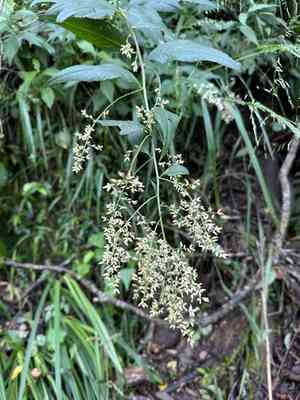
Artemisia anomala (Artemisia anomala)
Also known as: Inconsistent Wormwood, Uneven Artemisia
Lavandula, often known as lavender, is a versatile genus of plants that includes both herb-like and shrub-like varieties. These plants are valued in gardens for their aromatic flowers and foliage. The name "Lavandula" comes from the Latin word "lavare," which means "to wash," a nod to its historical use in bathing and cleansing rituals. Lavender is commonly used to produce essential oils due to its fragrant properties.
In This Article
Attributes of Artemisia anomala
Lifespan
Perennial
Plant Height
60-100 cm
Spread
30-60 cm
Leaf Color
Green
Flower Size
0.3-0.5 cm
Flower Color
Yellowish
Images of Artemisia anomala
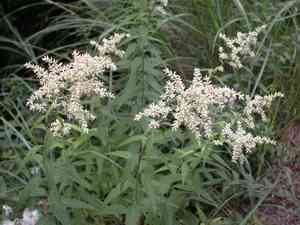
Quickly Identify Artemisia anomala
1
Identify Artemisia anomala by its deeply divided leaves, which are aromatic when crushed. The plant typically has small yellowish flowers arranged in clusters.
Scientific Classification of Artemisia anomala
Phylum
Vascular plants
Class
Dicotyledons
Order
Asters bellflowers fanflowers and allies
Family
Daisy
Genus
Mugworts
Species
Artemisia anomala
Planting and Growing of Artemisia anomala
Care Difficulty
Moderate
Watering Schedule
Every 4 days
Sunlight Requirements
Partial sun
Sunshine Duration
6-12 hours
Ideal Temperature
65-75℉
Soil Type
Potting Mix, Peat Mix
Soil pH
6.5-7.5
Fertilizer Type
Balanced
Pruning Season
Spring, Summer
Pruning Area
Branches, Leaves
Pruning Frequency
2 times a year
Repotting Season
Spring
Pot Type
Plastic, Ceramic
 How to Water Artemisia anomala?
When watering Artemisia anomala, aim to provide approximately 250 milliliters per session. The key is to moisten the soil evenly without creating pools of standing water. This plant appreciates a well-drained environment, so ensure the excess water has a chance to escape to prevent root rot.
What are the symptoms of an underwatered Artemisia anomala?
›
What should I do if my Artemisia anomala is not getting enough water?
›
What are the symptoms of an overwatered Artemisia anomala?
›
How to save an overwatered Artemisia anomala?
›
 What Are the Sunlight Requirements for Artemisia anomala?
For Artemisia anomala, partial to full shade is optimal. Adequate light conditions support photosynthesis, leading to healthy foliage and aromatic leaves, while preventing undue stress or damage.
How can I ensure the plant receives ideal light?
›
What are the benefits of ideal light conditions?
›
What practical measures promote ideal lighting?
›
 What Is the Ideal Temperature Range for Artemisia anomala?
The ideal temperature range of 65 to 75°F is crucial for Artemisia anomala as it promotes optimal growth and health. Within this range, the plant's metabolic processes function efficiently, leading to robust foliage and flowering. A stable environment also minimizes stress, reducing the risk of disease and insect infestations.
 What Soil is Best for Artemisia anomala?
Artemisia anomala thrives in well-drained soil that prevents waterlogging. Good drainage ensures that roots receive sufficient oxygen and nutrients, promoting vigorous growth and reducing the risk of root rot. This plant prefers soil with moderate fertility. Overly rich soil can lead to lush foliage but may reduce flowering and overall plant vigor. Balanced nutrition supports healthy growth and robust flower production. Artemisia anomala does best in soil with a neutral to slightly alkaline pH range. This pH level optimizes nutrient availability, enhances enzyme activity, and ensures efficient uptake for vibrant health.
 How to Fertilize Artemisia anomala?
The recommended fertilization amount for Artemisia anomala involves using a balanced liquid fertilizer at half strength during the growing season. Apply fertilizer carefully, making sure each plant receives about 100 ml of the diluted solution per application. For slow-release granular fertilizer, use approximately 20 grams per plant, gently mixing it into the soil around the base.
 How to Prune Artemisia anomala?
The first step is to carefully inspect the plant for any dead, damaged, or diseased branches. Use sharp tools to remove these down to the base or nearest healthy area to prevent the spread of disease and encourage robust growth. Trim the plant to maintain your desired shape. For Artemisia anomala, a rounded, bushy form is usually preferred. Take time to step back and assess your work from different angles to ensure a symmetrical and pleasing shape. Target branches that have overgrown or are crossing each other. Cut these back to keep the plant open and enhance air circulation, which can help prevent fungal infections.
More About Pruning Techniques→
 How to Propagate Artemisia anomala plant?
1
Before starting propagation, ensure that the parent plant is healthy and free from diseases. Hydrate the plant thoroughly a day before propagation to reduce stress during the process.
2
Select a healthy stem and use sterilized pruning shears to cut a section about 4-6 inches long. Ensure the cutting has several leaf nodes, as this is where roots will form.
3
Dip the cut end of the cutting into rooting hormone. Plant the cutting into a pot filled with moist, well-draining potting mix. Firm the soil around the base to secure it in place.
 How to Repot Artemisia anomala plant?
1
Signs that Artemisia anomala needs repotting include roots growing out of the drainage holes, noticeably reduced growth, or the soil drying out too quickly. It's best to repot during the active growing season in spring or autumn to minimize stress.
2
Select a pot that is 1-2 inches larger in diameter than the current one. Ensure it has adequate drainage holes to prevent waterlogging, which can lead to root rot. A right-sized pot ensures healthy root growth and stability for the plant.
3
Opt for a well-draining loamy soil mix to provide proper aeration and nutrients for Artemisia anomala. This type of soil prevents water retention, reduces root rot risk, and supports healthy plant growth.



