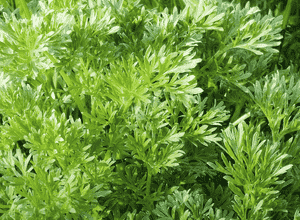
Sweet wormwood (Artemisia annua)
Also known as: Annual mugwort, Sweet annie
Patchouli (Pogostemon cablin) is a plant originating from the warmer parts of Asia and is recognized for its highly aromatic leaves. While it is not primarily used for ornamental gardening, it has gained significant interest in scientific research for its potential applications, including antimicrobial and insecticidal properties.
Attributes of Sweet wormwood
Images of Sweet wormwood
Quickly Identify Sweet wormwood
Scientific Classification of Sweet wormwood
Planting and Growing of Sweet wormwood
 How to Water Sweet wormwood?
 What Are the Sunlight Requirements for Sweet wormwood?
 What Is the Ideal Temperature Range for Sweet wormwood?
 What Soil is Best for Sweet wormwood?
 How to Fertilize Sweet wormwood?
 How to Prune Sweet wormwood?
 How to Propagate Sweet wormwood plant?
 How to Repot Sweet wormwood plant?
Toxicity of Sweet wormwood
Is Sweet wormwood toxic to humans?
The toxic compound found in sweet wormwood is known as thujone, which is distributed throughout the entire plant, with a higher concentration in the leaves. Thujone has serious effects on various organs, including the brain, kidneys, liver, and uterus. Its ingestion can lead to muscle spasms, seizures, memory impairment, hallucinations, miscarriages, as well as potential kidney and liver damage or even fatality in sufficiently large amounts. The impact of thujone on humans is significant, particularly for children, individuals with cognitive impairments, and those seeking intoxication, who should all avoid any species of wormwood. Additional warning signs of thujone exposure may include jaundice, dark, excessive urine, depression, alterations in behavior, weakness, nausea, dizziness, and loss of consciousness.



