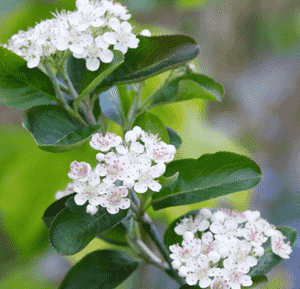
Black chokeberry (Aronia melanocarpa)
Also known as: Black Chokeberry, Chokeberry
Black chokeberry (Aronia melanocarpa) is a robust shrub known for its high antioxidant levels. This versatile berry is used in various products, such as juices, smoothies, jams, and jellies. It also finds its way into wines and liqueurs, adding a unique flavor. Additionally, black chokeberry can be dried for snacks, made into supplements, and used in teas. Birds also enjoy the fruit from this plant.
In This Article
Attributes of Black chokeberry
Lifespan
Perennial
Plant Type
Shrub
Plant Height
91 cm to 1.5 m
Spread
90 cm to 1.5 m
Leaf Color
Green Red Yellow Gold
Flower Size
2.5 cm
Flower Color
White Pink
Images of Black chokeberry
Quickly Identify Black chokeberry
1
Glabrous white flowers in corymb clusters, with sweet fragrance, blooming in late spring.
2
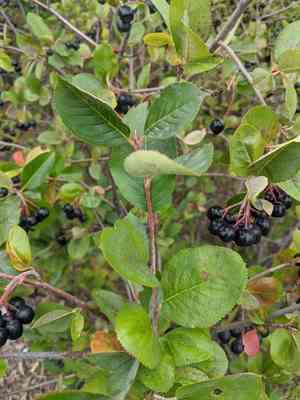
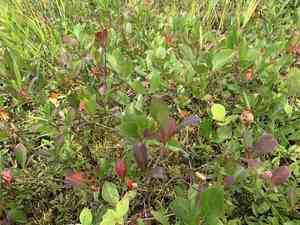
Elliptic, dark green leaves with finely serrated edges, turning wine-red in fall.
3
Attractive glossy blackish-purple edible fruit resembling berries, around 1/2 inch in diameter.
4
Deciduous shrub with a rounded, leggy shape and remarkable adaptability to various soil conditions.
5
Fruit matures from August to September, thriving in direct sunlight for optimal visual appeal and taste.
Scientific Classification of Black chokeberry
Phylum
Vascular plants
Class
Dicotyledons
Order
Roses, elms, figs, and allies
Family
Rose
Genus
Chokeberries
Species
Black chokeberry
Planting and Growing of Black chokeberry
Care Difficulty
Easy
Watering Schedule
Every 3 days
Sunlight Requirements
Full sun
Sunshine Duration
6-8 hours
Ideal Temperature
60-75℉
Soil Type
Potting Mix, Peat Mix
Soil pH
5-7.5
Fertilizer Type
Balanced
Pruning Season
Spring, Summer
Pruning Area
Branches, Leaves
Pruning Frequency
2 times a year
Repotting Season
Spring
Pot Type
Plastic, Terracotta
 How to Water Black chokeberry?
For Aronia melanocarpa, the key to watering is balance. Ensure the soil is evenly moist, but never saturated. Each time you water, aim for about 500ml to moisten the surrounding soil thoroughly without waterlogging the roots. The goal is to keep the root zone consistently dampened to a depth of approximately 15 centimeters.
More About Watering Techniques→
What are the symptoms of an underwatered Black chokeberry?
›
What should I do if my Black chokeberry is not getting enough water?
›
What are the symptoms of an overwatered Black chokeberry?
›
How to save an overwatered Black chokeberry?
›
 What Are the Sunlight Requirements for Black chokeberry?
The ideal light range is full sun to partial sun. This balance supports healthy leaves, strong growth, and higher yields of fruits, providing necessary energy through effective photosynthesis.
More About Sunlight Requirements Techniques→
What is the ideal light condition?
›
How can you achieve this ideal lighting?
›
What benefits does ideal lighting provide?
›
 What Is the Ideal Temperature Range for Black chokeberry?
Aronia melanocarpa thrives best in temperatures ranging from 60°F to 75°F. This range supports healthy growth and fruit production by providing a stable environment that balances warmth and light availability. At these temperatures, the plant can engage in photosynthesis efficiently and maintain vigorous physiological processes, leading to robust development.
 What Soil is Best for Black chokeberry?
Aronia melanocarpa thrives in well-drained soil to prevent root rot. Ensuring proper drainage allows the roots to access adequate oxygen, promoting robust growth and reducing disease susceptibility. The plant benefits from soil enriched with organic matter like compost, which improves soil structure and provides essential nutrients. This boosts the fruit's quality and the plant's overall vigor. While it's tolerant to different moisture levels, balanced moisture retention in soil prevents dehydration and stress during dry periods, ensuring the plant maintains a healthy growth rhythm.
More About Soil→
 How to Fertilize Black chokeberry?
For Aronia melanocarpa, the fertilizer amount should align with its growth phase. Apply approximately 0.5 pounds of a balanced 10-10-10 NPK fertilizer per plant in spring to boost growth. Adjust the quantity slightly based on soil test results to ensure optimal nutrient absorption without overloading the plant.
More About Fertilizing Techniques→
 How to Prune Black chokeberry?
Begin by removing any dead, diseased, or damaged branches to promote healthy growth. Use clean, sharp pruning shears and make cuts above a healthy bud or branch. Aim to shape the plant by trimming back overgrown areas to maintain its natural form, which will also improve air circulation. To shape Aronia melanocarpa, cut back the longer stems to encourage bushier growth. This will help the plant develop a compact and aesthetically pleasing form. Focus on achieving a balanced shape by taking a step back to assess your work regularly during the process.
More About Pruning Techniques→
 How to Propagate Black chokeberry plant?
1
Choose a healthy parent plant with no signs of disease or pest infestation. The plant should be mature enough to have developed strong roots and foliage, but not so old that the wood is hard and less viable for propagation.
2
Select semi-hardwood cuttings that are about 6 inches long. Ensure each cutting has at least two or three nodes. Use sharp, sanitized pruning shears to make a clean cut to prevent disease entry.
3
Strip the leaves from the bottom third of each cutting to prevent rot and disease. Dip the cut end into rooting hormone powder and tap off any excess. Insert the cutting into a pre-prepared pot with well-draining soil.
 How to Repot Black chokeberry plant?
1
Aronia melanocarpa requires repotting when you notice roots poking out from the drainage holes or when water begins to pool on the soil surface. These signs indicate that the roots have outgrown their current pot, necessitating a larger home for better growth. Ideally, repot during the growing seasons of spring or autumn to promote robust root development post-transplant.
2
Selecting the right pot for your Aronia melanocarpa is crucial. Opt for a pot that is slightly larger than its current one to allow room for growth. Ensure the pot has plenty of drainage holes to prevent waterlogging. A well-chosen pot not only accommodates root expansion but also enhances aeration, ensuring the plant's roots breathe easy and remain healthy.
3
For optimal growth, Aronia melanocarpa thrives in a well-draining, acidic soil mix. This type of soil supports the plant's nutrient absorption and prevents root rot, which can occur in overly soggy soils. A blend containing peat moss, pine bark, and perlite can provide the right mix of acidity and drainage essential for this plant's vigor.



