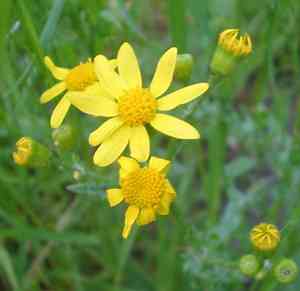
Florida cacalia(Arnoglossum floridanum)

Florida cacalia (Arnoglossum floridanum)

Also known as: Florida Indian Plantain, Large-flowered Indian Plantain

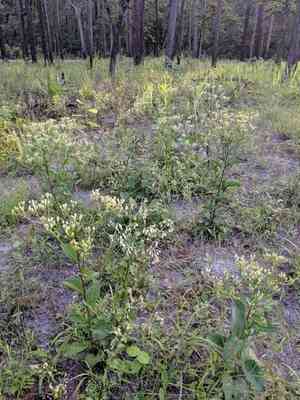
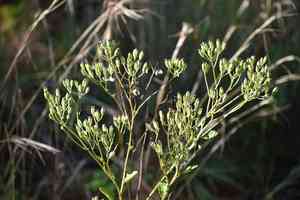
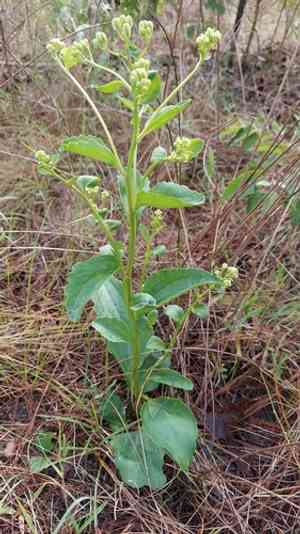
Florida cacalia (Cacalia floridana) is a native perennial herb prevalent in Florida's wetlands. It is characterized by its tall, slender stems and large, lobed leaves that hug the stem, creating a unique, textured appearance. The plant produces small, white tubular flowers in clusters that bloom from late summer to early autumn, attracting numerous pollinators, including butterflies and bees.

Ideal growing conditions for Florida cacalia include:
- Habitats such as swamps, marshes, and wet woodlands
- Partial to full sun exposure
- Moist, well-drained soils rich in organic content

This plant is a valuable component of wetland ecosystems, contributing to the biodiversity and ecological health of its native environment.

Attributes of Florida cacalia

Lifespan
Perennial
Plant Type
Herb
Plant Height
4 to 7 feet (1.2 to 2.1 meters)
Spread
N/A
Leaf Color
Green
Flower Size
1 to 2 centimeters
Flower Color
White to pale pink

ForwardPlant - Identify plants with a snap

Identify and diagnose plants, get toxicity alerts, and explore safety guides for all types of fungi.

Try for Free

Images of Florida cacalia

Florida cacalia(Arnoglossum floridanum)

Quickly Identify Florida cacalia

1
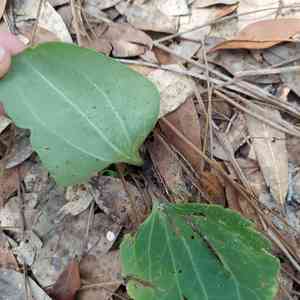
Arnoglossum floridanum can be identified by its large, lobed leaves that can sometimes resemble those of an oak. The plant also features tall, upright flowering stalks that produce clusters of small flowers. The leaves are typically green and may have a slightly rough texture.

Scientific Classification of Florida cacalia

Phylum
Vascular plants
Class
Dicotyledons
Order
Asterales
Family
Daisy
Genus
Indian plantain
Species
Florida cacalia

Planting and Growing of Florida cacalia

Care Difficulty
Hard
Watering Schedule
Every 3 days
Sunlight Requirements
Partial sun
Sunshine Duration
4-6 hours
Ideal Temperature
65-75℉
Soil Type
Potting Mix, Peat Mix
Soil pH
6.5-7.5
Fertilizer Type
Balanced
Pruning Season
Spring, Summer
Pruning Area
Branches, Leaves
Pruning Frequency
2 times a year
Repotting Season
Spring
Pot Type
Plastic, Ceramic

water icon How to Water Florida cacalia?

Arnoglossum floridanum is a thirst-tolerant plant that requires approximately 500 milliliters of water per session. The key is to saturate the soil until water begins to drain from the bottom of the pot, ensuring the entire root system receives moisture without causing waterlogging.
What are the symptoms of an underwatered Florida cacalia?
What should I do if my Florida cacalia is not getting enough water?
What are the symptoms of an overwatered Florida cacalia?
How to save an overwatered Florida cacalia?

sunlight icon What Are the Sunlight Requirements for Florida cacalia?

Sunlight Requirements: Partial sun
Duration of light: 3-6 hours of sun
Arnoglossum floridanum thrives in partial sun, where it gains energy without overheating. This level of sunlight fosters lush foliage, robust stem growth, and prolific blooming.
How to achieve partial sun conditions?
Solutions for attaining ideal sunlight?
Benefits of ideal sun exposure?

temperature icon What Is the Ideal Temperature Range for Florida cacalia?

Ideal Temperature: 65 ~ 75℉
To ensure the optimal growth of Arnoglossum floridanum, maintaining a temperature range between 65°F and 75°F is ideal. This range provides the necessary warmth for metabolic processes and photosynthesis, promoting healthy growth and foliage. Consistently keeping the plant in this temperature zone ensures vitality and robust development.

soil icon What Soil is Best for Florida cacalia?

Soil type: Sandy soil, Loam
Soil PH: 6.5 ~ 7.5
Arnoglossum floridanum thrives in well-drained soil, which ensures that roots receive enough oxygen and prevents root rot. This type of soil allows excess water to quickly percolate, thus avoiding waterlogging. For optimal growth, this plant prefers soil rich in nutrients. A fertile soil supports healthy foliage and robust flowering by providing essential minerals and nutrients. While drainage is crucial, the soil should hold some moisture to sustain the plant between watering. This balance is essential for maintaining consistent plant turgor and preventing stress from dehydration.

fertilize icon How to Fertilize Florida cacalia?

Fertilizer type: Balanced
When fertilizing Arnoglossum floridanum, it's crucial to consider the plant's size and stage of growth. Typically, for a well-established plant, you'll want to apply around 1 tablespoon of slow-release granular fertilizer per square foot. For liquid fertilizers, use a balanced 10-10-10 or 20-20-20 formula, diluted according to package instructions, with an application rate of approximately 1 cup per plant base.

prune icon How to Prune Florida cacalia?

Pruning Time: Spring, Summer
Always use sharp and clean pruning shears to avoid causing unnecessary damage to the plant. Sterilize the blades before each use to prevent diseases from spreading. More About Pruning Techniques

propagate icon How to Propagate Florida cacalia plant?

Propagate Time: Spring, Early spring
1
Start by collecting mature seeds from a healthy Arnoglossum floridanum plant. Clean them to remove any pulp or surrounding debris and let them dry in a cool, shaded area before planting.
2
Prepare a nutrient-rich soil mix by combining equal parts garden soil, compost, and perlite. This mix ensures that the new divisions have ample nutrients and proper drainage for healthy rooting.
3
For seeds, place them in seed trays with moist soil. For divisions, plant them directly in the prepared soil. Ensure the planting is done at the same depth the plant was previously growing to encourage stabilization.
More About Propagating Techniques

repot icon How to Repot Florida cacalia plant?

Repotting frequency: Every two to three years
1
Arnoglossum floridanum shows signs it's ready for repotting when you notice roots poking through the drainage holes or if its growth slows despite good care. Mid to late spring and autumn are ideal, as the plant is not in its active blooming stage. This timing helps minimize stress and allows it to comfortably adapt to its new pot.
2
Select a pot that is about two inches larger in diameter than the current one to provide enough space for root growth. Opt for a pot with sufficient drainage holes to prevent waterlogging, which can lead to root rot. The right pot ensures your plant has adequate room to grow and helps maintain the health of its root system.
3
Arnoglossum floridanum thrives in a loamy, well-draining soil mix rich in organic matter. This type of soil retains necessary moisture while allowing excess water to drain, preventing root rot. Use a commercial potting mix with added perlite and peat for best results. This ensures optimal root health and supports the plant's vigorous growth.

ForwardPlant - Identify plants with a snap

Find the best spots for them to optimize their health, simply using your phone.

Try for Free