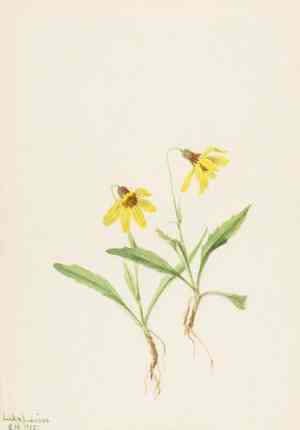
Lake louise arnica (Arnica louiseana)
Also known as: Mountain arnica, Louise's arnica
Arnica louiseana is a petite perennial herb, typically not exceeding 20 cm in height. It features vibrant yellow flower heads composed of both ray and disc florets. This plant is adapted to high-altitude environments, thriving in alpine tundra and on rocky outcrops.
In This Article
Attributes of Lake louise arnica
Lifespan
Perennial
Plant Type
Herb
Plant Height
20 to 50 cm
Spread
N/A
Leaf Color
Green
Flower Size
3 to 5 cm
Flower Color
Yellow
Images of Lake louise arnica
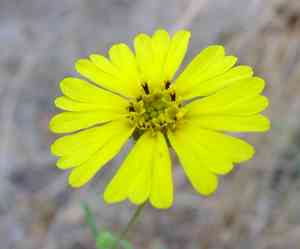
Quickly Identify Lake louise arnica
1
Arnica louiseana can be identified by its yellow, daisy-like flowers and opposite, lance-shaped leaves. The plant has basal rosettes as well as stem leaves.
Scientific Classification of Lake louise arnica
Phylum
Vascular plants
Class
Dicotyledons
Order
Asterales
Family
Daisy
Genus
Mountain tobaccos
Species
Lake louise arnica
Planting and Growing of Lake louise arnica
Care Difficulty
Moderate
Watering Schedule
Every 2 days
Sunlight Requirements
Full sun
Sunshine Duration
4-8 hours
Ideal Temperature
60-70℉
Soil Type
Potting Mix, Peat Mix
Soil pH
6.5-7.5
Fertilizer Type
Balanced
Pruning Season
Spring, Summer
Pruning Area
Branches, Leaves
Pruning Frequency
Once a year
Repotting Season
Spring
Pot Type
Plastic, Terracotta
 How to Water Lake louise arnica?
Arnica louiseana requires moderate watering. When watering, ensure the soil is moistened thoroughly, allowing water to reach the deeper roots without leaving the soil waterlogged. The general rule is to water until the water starts to drain from the bottom of the pot.
What are the symptoms of an underwatered Lake louise arnica?
›
What should I do if my Lake louise arnica is not getting enough water?
›
What are the symptoms of an overwatered Lake louise arnica?
›
How to save an overwatered Lake louise arnica?
›
 What Are the Sunlight Requirements for Lake louise arnica?
Partial sun to full sun is ideal. Arnica louiseana benefits from 6-8 hours of direct sunlight for optimal growth, enhancing its blooming potential and ensuring a robust health profile.
What is the best light condition for Arnica louiseana?
›
How can I ensure Arnica louiseana gets the ideal sunlight?
›
What benefits does ideal sunlight bring to Arnica louiseana?
›
 What Is the Ideal Temperature Range for Lake louise arnica?
The ideal temperature range for growing Arnica louiseana is between 60 and 70°F. This range provides the best conditions for photosynthesis and enzymatic activity within the plant, promoting healthy growth and flowering.
 What Soil is Best for Lake louise arnica?
Arnica louiseana thrives in well-drained soils that prevent water from staying stagnant. Proper drainage ensures that the roots receive sufficient oxygen, which is crucial for optimal growth and overall health. This plant prefers soils that are rich in organic matter. Nutrient-rich soils provide essential elements that boost growth and enhance the vitality of the plant, ensuring robust flowering and resilience against pests. While Arnica louiseana does well in well-drained soils, it requires a moderate amount of moisture to sustain growth. Maintaining the right moisture level prevents dehydration, especially during dry spells.
 How to Fertilize Lake louise arnica?
For Arnica louiseana, use a balanced liquid fertilizer diluted to half strength, applying approximately 50 ml per plant. This allows the plant to efficiently absorb nutrients without overwhelming its system.
 How to Prune Lake louise arnica?
Begin by inspecting the plant for any dead, diseased, or damaged stems. Use clean, sharp scissors or pruners to make clean cuts just above a healthy leaf node. Focus on thinning out congested areas to improve airflow and sunlight exposure, which are crucial for plant health. To encourage a bushier appearance, make cuts just above a set of leaves at varying lengths. This will prompt the plant to grow outward, creating a fuller shape. Be mindful to maintain a natural form that supports the plant's inherent growth habits and aesthetic.
 How to Propagate Lake louise arnica plant?
1
Fill the seed tray with a well-draining soil mix, sprinkle the Arnica louiseana seeds over the surface, and lightly cover them with more soil. Maintain consistent moisture without waterlogging the seeds.
2
Once the seedlings have developed a few true leaves and are sturdy enough, transplant them into individual pots or a prepared garden bed, ensuring adequate spacing for growth and airflow.
3
For division propagation, carefully dig up the mature Arnica louiseana plant, gently shake off the excess soil, and use a sharp knife to separate the root clumps. Each division should have a substantial root system and foliage.
 How to Repot Lake louise arnica plant?
1
Recognize the signals for repotting Arnica louiseana. This plant will often show signs like outgrowing its current pot, with roots visibly circling the pot’s interior or emerging from drainage holes. A lack of plant growth or wilting can also indicate the need for a new pot, generally best addressed during spring’s growing season.
2
Choose a pot that’s just a couple of inches larger in diameter than the current one to avoid root rot from excessive soil moisture. Ensure the pot has adequate drainage holes to prevent waterlogging, which is crucial for the plant's health, allowing proper aeration and root expansion.
3
Opt for well-drained, sandy soil mix enriched with organic matter. This mix provides excellent drainage, mimicking the plant’s natural habitat conditions, thus preventing water from pooling around the roots and promoting healthy root growth and function.
Toxicity
Ingestion, Contact
WARNING
The judgment on toxicity and danger is for reference only. We DO NOT GUARANTEE any accuracy of such judgment. Therefore, you SHALL NOT rely on such judgment. It is IMPORTANT TO SEEK PROFESSIONAL ADVICE in advance when necessary.
Learn More About Lake louise arnica Diseases
Anthracnose
Bacterial Leaf Spot
Bacterial Soft Rot
Bacterial Wilt
Chemical Injury
Crown Gall
Cyst Nematode
Damping-off
Downy Mildew
Drought Stress
Fusarium Wilt
Gray Mold
Leaf Spot
Mosaic
Nutrient Deficiency
Nutrient Toxicity
Powdery Mildew
Root Rot
Root-knot Nematode
Rusts
Sooty Mold
Spider Mites
Temperature Stress
Thrips Damage
White Mold



