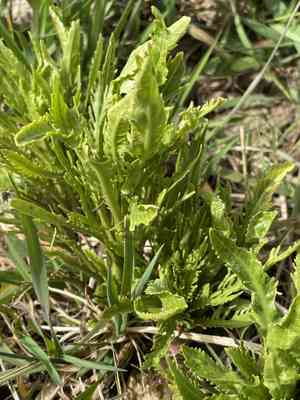
Horseradishes (Armoracia) (Armoracia)
Also known as: Horseradish
Horseradishes belong to the genus *Armoracia*. The name *Armoracia* is thought to refer to the coastal region of Armorica in ancient France. These plants thrive in saline environments and are native to parts of Eurasia and the eastern United States. The most well-known species is *Armoracia rusticana*, commonly called horseradish, which is notably used in various cuisines, including Japanese.
In This Article
Attributes of Horseradishes (Armoracia)
Lifespan
Perennial
Plant Height
Up to 1.5 meters
Spread
Approximately 60-90 centimeters
Leaf Color
Green
Flower Size
1-2 centimeters
Flower Color
White
Images of Horseradishes (Armoracia)
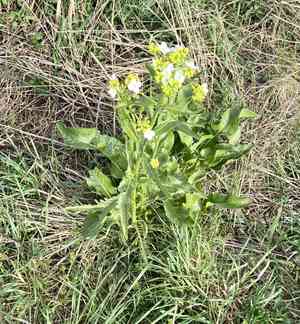
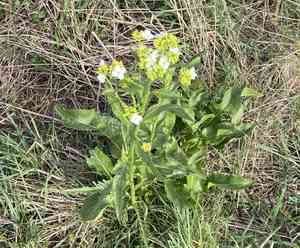
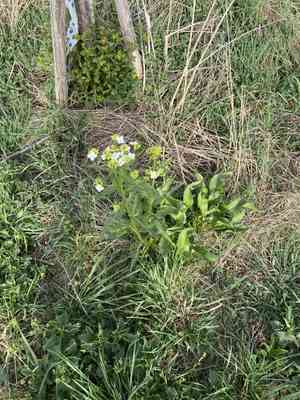
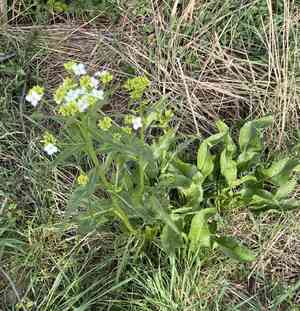
Quickly Identify Horseradishes (Armoracia)
1
Horseradish can be identified by its large, elongated, coarsely toothed leaves and large white root. It produces small white flowers in clusters at the top of the plant.
Scientific Classification of Horseradishes (Armoracia)
Phylum
Magnoliophyta
Class
Magnoliopsida
Order
Brassicales
Family
Brassicaceae
Genus
Armoracia
Planting and Growing of Horseradishes (Armoracia)
Care Difficulty
Easy
Watering Schedule
Every 4 days
Sunlight Requirements
Full sun
Sunshine Duration
4-6 hours
Ideal Temperature
55-75℉
Soil Type
Potting Mix, Peat Mix
Soil pH
6.5-7.5
Fertilizer Type
Balanced
Pruning Season
Spring, Summer
Pruning Area
Branches, Leaves
Pruning Frequency
2 times a year
Repotting Season
Spring
Pot Type
Plastic, Ceramic
 How to Water Horseradishes (Armoracia)?
Armoracia, commonly known as horseradish, prefers soil that is consistently moist but well-drained. When watering, ensure that the soil is soaked to a depth of about six inches, which typically requires around 500 milliliters of water per plant. This ensures the roots receive enough moisture without sitting in waterlogged conditions.
What are the symptoms of an underwatered Horseradishes (Armoracia)?
›
What should I do if my Horseradishes (Armoracia) is not getting enough water?
›
What are the symptoms of an overwatered Horseradishes (Armoracia)?
›
How to save an overwatered Horseradishes (Armoracia)?
›
 What Are the Sunlight Requirements for Horseradishes (Armoracia)?
Armoracia thrives best in full to partial sun conditions, which ensures optimal growth, healthy root development, and resistance to diseases. Balanced light exposure is crucial for the best yield quality and flavor.
What is the best sunlight exposure for Armoracia?
›
How can I achieve optimal lighting conditions for Armoracia?
›
What benefits does Armoracia gain from optimal lighting?
›
 What Is the Ideal Temperature Range for Horseradishes (Armoracia)?
Horseradish (Armoracia) thrives best within a temperature range of 55°F to 75°F. This range supports optimal enzyme activity and root development, promoting a vigorous and healthy plant growth cycle.
 What Soil is Best for Horseradishes (Armoracia)?
Armoracia thrives best in well-drained soils that prevent waterlogging. Proper drainage ensures roots don't sit in water, reducing the risk of root rot and promoting optimal health. While good drainage is crucial, it's equally important for the soil to retain moisture. Moisture retentive soils maintain consistent hydration during dry spells, vital for robust plant growth. Armoracia favors nutrient-rich soils rich in organic matter, which provide essential nutrients. This boosts plant vigor and enhances flavor quality of any developed produce.
 How to Fertilize Horseradishes (Armoracia)?
For Armoracia, it's crucial to avoid over-fertilization. For liquid fertilizers, use about 1 tablespoon per gallon of water, ensuring you thoroughly soak the soil without causing runoff. Solid fertilizers should be applied sparingly, considering a light sprinkle of 50 grams per square meter.
 How to Prune Horseradishes (Armoracia)?
Begin by examining the plant for any yellowing or damaged leaves. These are the primary targets for pruning to promote overall plant health. Gently cut away any dead or unhealthy leaves at their base. If necessary, remove older leaves to promote new growth, but be cautious not to cut too close to the main stem or the plant's crown. In late summer or early autumn, consider trimming back some of the plant to manage its size and ensure better root development during the dormant season.
 How to Propagate Horseradishes (Armoracia) plant?
1
Gather mature seeds from the plant in spring, or take root cuttings by carefully digging up a section of the root system and cutting segments with a sharp knife.
2
Fill containers with appropriate potting mix, ensuring it's moist but not waterlogged, to provide a nurturing environment for seeds or cuttings to establish roots.
3
Sow seeds on the surface of the soil and lightly cover them or insert cuttings into the soil at a depth of 1-2 inches, maintaining adequate spacing for air circulation.
 How to Repot Horseradishes (Armoracia) plant?
1
Look for signs like root-bound conditions, where roots protrude from the drainage holes or when the plant's growth becomes stunted. Spring and autumn provide the ideal mild weather conditions, avoiding the stress of extreme temperatures.
2
Select a pot slightly larger than the current one, ideally about 2 to 3 inches wider. A pot with drainage holes is crucial to prevent waterlogging and promote healthy root aeration, encouraging robust plant growth.
3
Opt for a rich and well-draining soil mix with a blend of organic matter and sand. This ensures proper drainage, preventing root rot while supplying essential nutrients for the plant's vigorous development.
Learn More About Horseradishes (Armoracia) Diseases
Anthracnose
Bacterial Leaf Spot
Bacterial Soft Rot
Clubroot
Crown Gall
Cyst Nematode
Damping-off
Downy Mildew
Fusarium Wilt
Gray Mold
Leaf Spot
Mosaic
Powdery Mildew
Root Rot
Root-knot Nematode
Rusts
White Mold
Chemical Injury
Drought Stress
Nutrient Deficiency
Nutrient Toxicity
Temperature Stress
Spider Mites
Thrips Damage

