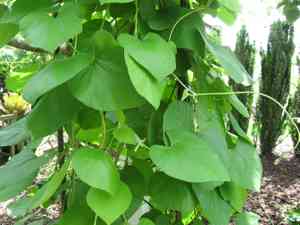
Woolly dutchman's pipe(Aristolochia tomentosa)

Woolly dutchman's pipe (Aristolochia tomentosa)

Also known as: Woolly Pipevine, Dutchman's Pipe

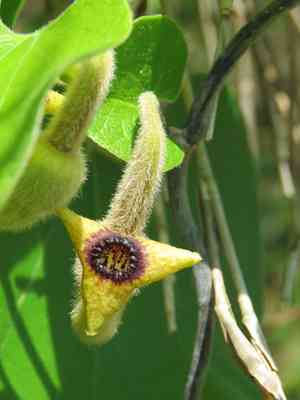
Woolly Dutchman's pipe (Aristolochia tomentosa) is native to the southeastern and south-central United States. The plant's common name arises from the unique shape of its flowers, which resemble the traditional Dutch smoking pipe, and its woolly leaf texture.

Attributes of Woolly dutchman's pipe

Lifespan
Perennial
Plant Type
Vine
Plant Height
6 m to 9 m
Spread
1.5 m to 6 m
Leaf Color
Green Blue
Flower Size
2.5 cm to 8 cm
Flower Color
Yellow Green Red Brown

PlantJoy - Identify plants with a snap

Identify and diagnose plants, get toxicity alerts, and explore safety guides for all types of fungi.

Try for Free

Images of Woolly dutchman's pipe

Woolly dutchman's pipe(Aristolochia tomentosa)

Quickly Identify Woolly dutchman's pipe

1
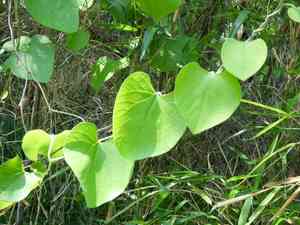
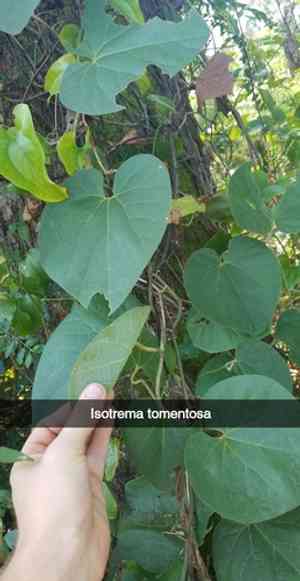
Heart-shaped leaves, 3-6 inches (7.6-15.2 cm) long, densely hairy.
2
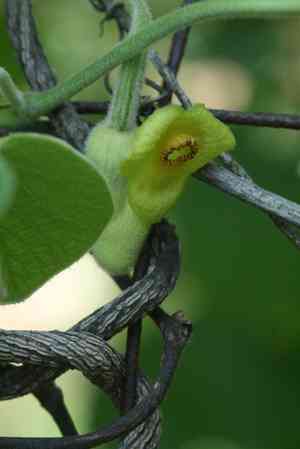
Tubular flowers, 1-2 inches (2.5-5 cm) long, yellow to greenish-yellow.
3
Grayish-brown stem, pubescent when young, thick and sturdy.
4
Woody vine, climbs to 20-30 feet (6-9 meters), loses leaves seasonally.
5
Distinct grayish-brown bark with elongated ridges, slightly rough to touch.

Scientific Classification of Woolly dutchman's pipe

Phylum
Vascular plants
Class
Dicotyledons
Order
Piperales
Family
Birthwort
Genus
Aristolochia
Species
Woolly dutchman's pipe

Planting and Growing of Woolly dutchman's pipe

Care Difficulty
Easy
Watering Schedule
Every 4 days
Sunlight Requirements
Partial sun
Sunshine Duration
6-10 hours
Ideal Temperature
68-86℉
Soil Type
Potting Mix, Peat Mix
Soil pH
6.5-7.5
Fertilizer Type
Balanced
Pruning Season
Spring, Summer
Pruning Area
Branches, Leaves
Pruning Frequency
2 times a year
Repotting Season
Spring
Pot Type
Ceramic, Plastic

water icon How to Water Woolly dutchman's pipe?

For Aristolochia tomentosa, it's vital to ensure the soil is consistently moist but not waterlogged. Typically, watering with about 500 ml of water per session should suffice, allowing the top inch of soil to dry out slightly between waterings. This helps ensure the roots stay healthy and receive adequate oxygen.
What are the symptoms of an underwatered Woolly dutchman's pipe?
What should I do if my Woolly dutchman's pipe is not getting enough water?
What are the symptoms of an overwatered Woolly dutchman's pipe?
How to save an overwatered Woolly dutchman's pipe?

sunlight icon What Are the Sunlight Requirements for Woolly dutchman's pipe?

Sunlight Requirements: Partial sun
Duration of light: 4 to 6 hours
Partial sun environments provide Aristolochia tomentosa with the perfect balance of light. This ensures the plant can photosynthesize efficiently while protecting it from potential damage caused by intense direct exposure, promoting steady growth and flowering.
What is the ideal lighting environment?
How can I achieve the ideal lighting conditions?
What benefits arise from ideal lighting?
More About Sunlight Requirements Techniques

temperature icon What Is the Ideal Temperature Range for Woolly dutchman's pipe?

Ideal Temperature: 68 ~ 86℉
The ideal temperature range for Aristolochia tomentosa falls between 68°F and 86°F. This range provides optimal conditions for growth, enabling the plant to develop healthy foliage and thrive. In this temperature range, the plant's metabolic processes are most efficient, leading to vibrant growth and blossoming.

soil icon What Soil is Best for Woolly dutchman's pipe?

Soil type: Loam, Sandy loam, Clay soil
Soil PH: 6.5 ~ 7.5
Aristolochia tomentosa thrives best in well-drained soils that prevent waterlogging. This helps in preventing root rot, ensuring the plant can absorb necessary nutrients efficiently without the roots being suffocated by excess water. Richness in organic matter is crucial for Aristolochia tomentosa, as it provides essential nutrients and supports robust growth. Such soils enhance the plant's vigor, allowing it to produce vibrant foliage and facilitate healthy development. While well-drained, the soil should also retain some moisture to prevent drought stress. This balance helps the plant maintain consistent hydration levels without being prone to immediate drying, supporting continual growth.

fertilize icon How to Fertilize Woolly dutchman's pipe?

Fertilizer type: Balanced
For Aristolochia tomentosa, it's crucial to apply just the right amount of fertilizer to avoid harm. Use approximately 1/4 of the recommended dose for general houseplants. This cautious approach helps in promoting healthy growth without overwhelming the plant's root system.

prune icon How to Prune Woolly dutchman's pipe?

Pruning Time: Spring, Summer, Autumn
Start by identifying the dead, damaged, or diseased branches. These are usually the first to be removed as they can harbor pests and diseases that might spread to the rest of the plant. Healthy branches should be preserved to ensure continued growth. Aristolochia tomentosa can grow quite large, so it's important to prune for shape and size. Trim back any overgrown or misshapen branches to maintain a tidy, architectural structure. This will help ensure the plant grows in a manageable and aesthetically pleasing form. Pruning can stimulate new growth by cutting back to a node or bud. This sends a signal to the plant to produce fresh, vibrant branches, which in turn can lead to more flowers and foliage in the growing season. This is especially beneficial after the flowering season. More About Pruning Techniques

propagate icon How to Propagate Woolly dutchman's pipe plant?

Propagate Time: Spring,Early spring
1
Choose healthy and disease-free plant material from mature Aristolochia tomentosa plants. Look for partially matured stems, ideally around 4-6 inches long, as they have a better chance of rooting.
2
Trim the selected cuttings at an angle just below a node, remove the lower leaves, and dip the cut end into rooting hormone to encourage root growth. This enhances the rooting potential of the cuttings.
3
Plant the prepared cuttings in a well-draining potting mix and provide support to keep them upright. Maintain a humid environment and avoid direct sunlight to facilitate root development.
More About Propagating Techniques

repot icon How to Repot Woolly dutchman's pipe plant?

Repotting frequency: Every two years
1
Aristolochia tomentosa exhibits several signs when it needs repotting. Look for roots emerging from the bottom drainage holes, slower growth, or wilted leaves even after watering. These are clear indicators that a new pot is necessary.
2
Select a pot that is about 1-2 inches larger in diameter than the previous one. Opting for a slightly larger pot prevents waterlogging and allows ample room for root expansion. Ensure it has ample drainage holes to maintain an airy root environment and prevent root rot.
3
Use a well-draining loamy soil mix that provides a balanced structure allowing both air and water to travel efficiently. This type of soil ensures that the plant does not sit in waterlogged conditions, preventing root rot and promoting healthy growth.

PlantJoy - Identify plants with a snap

Find the best spots for them to optimize their health, simply using your phone.

Try for Free

Toxicity of Woolly dutchman's pipe

Is Woolly dutchman's pipe toxic to humans?

Every part of the woolly dutchman's pipe harbors a toxic compound called aristolochic acid, which can lead to severe poisoning and even death if ingested. This plant, a climbing vine, does not resemble any edible plants, making incidental poisoning unlikely, hence, such cases typically arise from intentional consumption. The toxicity of the plant adversely affects the kidneys and can lead to acute renal failure. Given that accidental ingestion is rare, it is primarily curious children who are at risk for poisoning from the woolly dutchman's pipe, and they should be warned against putting this plant in their mouths.

Identify toxic plants for your safety

Learn which plants are harmful to you and your pets, and make informed choices for a safer home!

Try for Free
WARNING
The judgment on toxicity and danger is for reference only. We DO NOT GUARANTEE any accuracy of such judgment. Therefore, you SHALL NOT rely on such judgment. It is IMPORTANT TO SEEK PROFESSIONAL ADVICE in advance when necessary.
More About Toxic Techniques