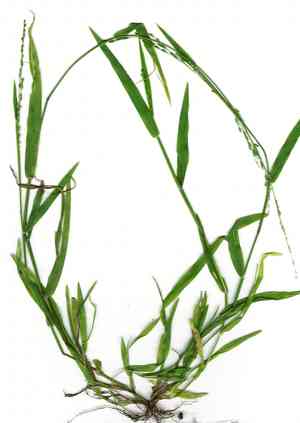
Pine-land three-awn (Aristida stricta)
Also known as: Carolina wiregrass
The Wiregrass Region derives its name from the prevalent native plant, Aristida stricta, commonly called wiregrass. This plant is adapted to the region's sandy soils and thrives following regular summer burns. Fire not only curtails competing vegetation and nourishes the soil but is also crucial for stimulating wiregrass's flowering and seed production.
In This Article
Attributes of Pine-land three-awn
Lifespan
Perennial
Plant Type
Grass
Plant Height
30 cm to 1.2 m
Spread
30 cm to 90 cm
Leaf Color
Green
Flower Size
Small, not significant
Flower Color
Green to brown
Images of Pine-land three-awn
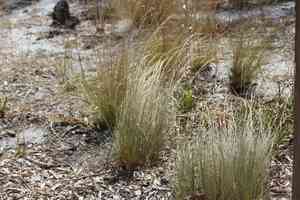
Quickly Identify Pine-land three-awn
1
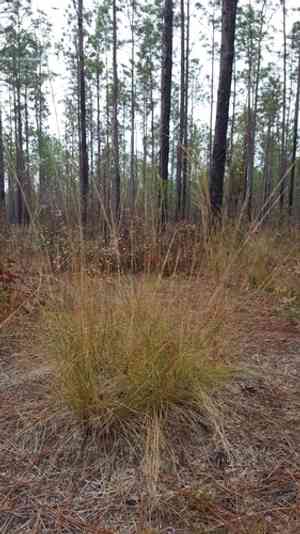
Needle-like leaves ranging from 1 to 3 feet (30 to 90 cm) in length.
2
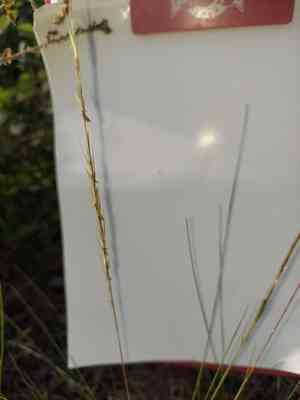
Slender, wiry leaves and inflorescences providing a fine-textured appearance.
3
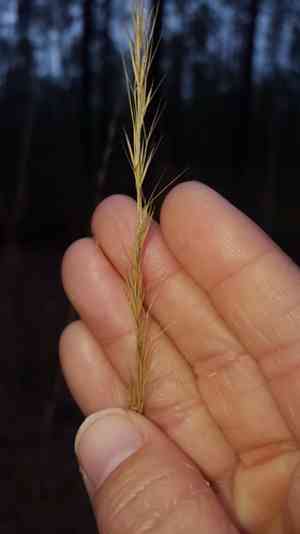
Yellow seeds in dry, one-seeded indehiscent fruit called caryopsis.
4
Foliage turns golden, with slender shape and narrow, three-parted awns.
5
Small, inconspicuous flowers less than 0.1 inch (2.5 mm) in length.
Scientific Classification of Pine-land three-awn
Phylum
Vascular plants
Class
Monocotyledons
Order
Poales
Family
Grass
Genus
Threeawn
Species
Pine-land three-awn
Planting and Growing of Pine-land three-awn
Care Difficulty
Easy
Watering Schedule
Every 2 days
Sunlight Requirements
Full sun
Sunshine Duration
4-6 hours
Ideal Temperature
65-75℉
Soil Type
Potting Mix, Peat Mix
Soil pH
4.5-7
Fertilizer Type
Balanced
Pruning Season
Spring, Summer
Pruning Area
Branches, Leaves
Pruning Frequency
2 times a year
Repotting Season
Spring
Pot Type
Plastic, Ceramic
 How to Water Pine-land three-awn?
Aristida stricta, commonly known as wiregrass, requires watering that replicates its natural sandy and well-drained habitat. It's best to provide approximately 500 ml of water during each session, ensuring the soil is thoroughly moist but not waterlogged. Always allow the top inch of soil to dry out between waterings to prevent root rot.
What are the symptoms of an underwatered Pine-land three-awn?
›
What should I do if my Pine-land three-awn is not getting enough water?
›
What are the symptoms of an overwatered Pine-land three-awn?
›
How to save an overwatered Pine-land three-awn?
›
 What Are the Sunlight Requirements for Pine-land three-awn?
Aristida stricta thrives in full sun or partial sun conditions. Ideal light ensures healthy foliage and structural integrity, aiding in its role in ecological systems.
What is the ideal light condition for Aristida stricta?
›
How can I ensure my Aristida stricta gets ideal lighting?
›
What are the benefits of providing ideal light to Aristida stricta?
›
 What Is the Ideal Temperature Range for Pine-land three-awn?
The ideal temperature range for Aristida stricta, commonly known as wiregrass, is between 65°F and 75°F. This range supports optimal growth and allows the plant to maintain healthy physiological functions. Within this range, the photosynthesis rate is maximized, leading to strong production of biomass and development.
 What Soil is Best for Pine-land three-awn?
Aristida stricta thrives best in well-drained soil. This type of soil prevents waterlogging, which can lead to root rot. Ensuring proper drainage mimics its natural sandy environment and promotes healthy growth. In its natural habitat, Aristida stricta is adapted to nutrient-poor conditions. Excess nutrients can inhibit its growth and competitiveness in native grasslands, so it's best cultivated in soil with minimal nutrient supplementation. This species prefers low moisture soils, reflecting its adaptation to dry, sandy environments. Maintaining low soil moisture prevents issues like root rot and ensures the plant retains its resilience against drought.
 How to Fertilize Pine-land three-awn?
For Aristida stricta, it's important to use a balanced approach to fertilization. Generally, a 10-10-10 NPK formula is suitable. Apply liquid fertilizer at a rate of 2 teaspoons per gallon of water for even distribution, ensuring it doesn't accumulate in one spot that might harm the roots.
 How to Prune Pine-land three-awn?
Always use clean, sharp garden shears to avoid creating uneven cuts that can become entry points for disease. Dull tools can injure the plant and slow down its recovery. Before you start pruning, observe the natural growth pattern of Aristida stricta to ensure you are enhancing rather than altering its unique form. This plant's natural aesthetic adds to its beauty and function in the landscape. While annual pruning is beneficial, excessive pruning can stress the plant and weaken its health over time. Aim to remove no more than one-third of the plant's overall structure during one pruning session.
More About Pruning Techniques→
 How to Propagate Pine-land three-awn plant?
1
Collect seeds from mature plants in late summer. Ensure seeds are fully ripe by checking that they easily detach from the plant. Store the seeds in a cool, dry place until sowing.
2
Sow seeds in a tray with well-draining soil during the spring. Lightly cover seeds with soil and maintain a consistent moisture level until germination, typically in two to three weeks.
3
In early summer, divide clumps of the plant using a spade. Ensure each division has several roots, and replant immediately to prevent drying.
 How to Repot Pine-land three-awn plant?
1
Aristida stricta, known for its dense clumps and needle-like leaves, signals the need for repotting when its roots protrude through the drainage holes or its growth appears stunted despite proper care. This is the prime time to refresh its environment.
2
Choose a pot slightly larger than the current one with excellent drainage holes. This ensures healthy root expansion without waterlogging, which is pivotal for Aristida stricta due to its preference for dry, sandy conditions.
3
Opt for a sandy and gritty soil mix that mimics its natural habitat. This promotes excellent drainage, preventing root rot and ensuring that the plant thrives in conditions it naturally loves, making soil selection crucial for its health.



