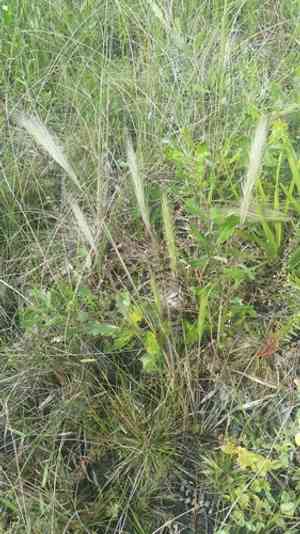
Bottlebrush threeawn (Aristida spiciformis)
Also known as: Bearded Aristida
Bottlebrush threeawn is a resilient grass species characterized by its slender, spiky inflorescences, which are well-suited to dry, open environments. Its fine, tussock-forming leaves are designed to minimize water loss, showcasing an adaptation to conserve moisture. This unassuming plant flourishes in harsh conditions, demonstrating its evolved capability for efficient resource utilization.
In This Article
Attributes of Bottlebrush threeawn
Lifespan
Perennial
Plant Type
Grass
Plant Height
30 cm to 100 cm
Spread
Not applicable
Leaf Color
Green
Flower Size
Not applicable
Flower Color
Golden-brown
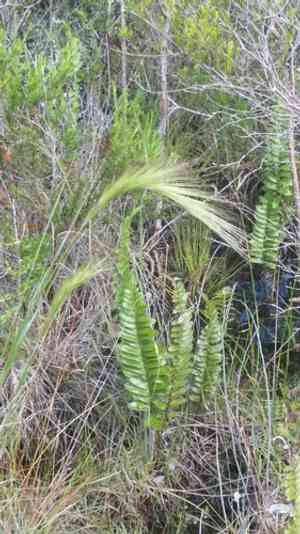
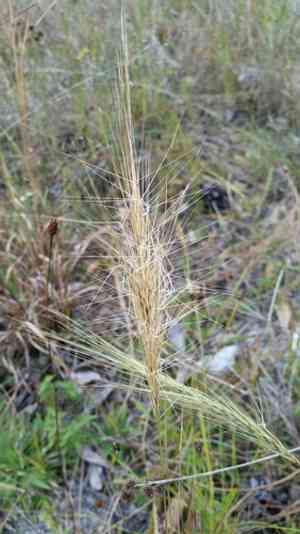
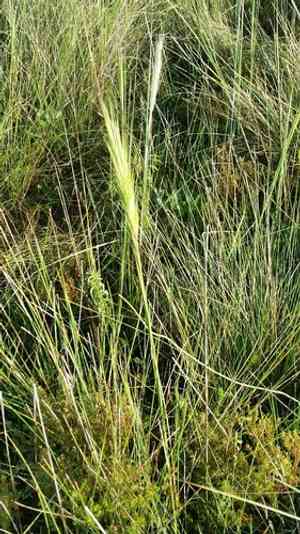
Images of Bottlebrush threeawn
Quickly Identify Bottlebrush threeawn
1
To identify Aristida spiciformis, look for its fine, wiry stems and the characteristic long awns on its seeds. The leaves are typically narrow and rolled, giving the plant a wiry appearance.
Scientific Classification of Bottlebrush threeawn
Phylum
Vascular plants
Class
Monocotyledons
Order
Poales
Family
Grass
Genus
Threeawn
Species
Bottlebrush threeawn
Planting and Growing of Bottlebrush threeawn
Care Difficulty
Easy
Watering Schedule
Every 2 days
Sunlight Requirements
Full sun
Sunshine Duration
4-8 hours
Ideal Temperature
68-77℉
Soil Type
Potting Mix, Peat Mix
Soil pH
6.5-7.5
Fertilizer Type
Balanced
Pruning Season
Spring, Summer
Pruning Area
Branches, Leaves
Pruning Frequency
2 times a year
Repotting Season
Spring
Pot Type
Plastic, Ceramic
 How to Water Bottlebrush threeawn?
When watering Aristida spiciformis, ensure the soil is moistened evenly, but avoid water pooling at the roots. A good watering should see about 250 ml of water per session, allowing the liquid to permeate through the soil, creating a balance between moisture and dryness essential for this grass species.
What are the symptoms of an underwatered Bottlebrush threeawn?
›
What should I do if my Bottlebrush threeawn is not getting enough water?
›
What are the symptoms of an overwatered Bottlebrush threeawn?
›
How to save an overwatered Bottlebrush threeawn?
›
 What Are the Sunlight Requirements for Bottlebrush threeawn?
Aristida spiciformis ideally requires full sun to partial sun, translating to about 6 to 8 hours of light daily. This optimal range promotes vigorous growth and robust health, as it allows for adequate photosynthesis and energy production without overwhelming the plant.
Optimal Sunlight Exposure
›
Enhancing Growth with Adequate Light
›
Dealing with Seasonal Changes
›
 What Is the Ideal Temperature Range for Bottlebrush threeawn?
Aristida spiciformis thrives best within the ideal temperature range of 68°F to 77°F. These conditions simulate the grass’s native habitat, providing a warm yet not overly hot environment that supports healthy growth and photosynthesis. Temperatures within this range ensure that the plant's enzymatic and metabolic activities operate efficiently.
 What Soil is Best for Bottlebrush threeawn?
Aristida spiciformis thrives in well-drained soils, which prevent waterlogging and root rot. This is especially beneficial in maintaining the plant's health and promoting robust growth, as waterlogged conditions can be detrimental. While it is adaptable, Aristida spiciformis benefits from a moderately nutrient-rich soil. This helps in providing it with the necessary nutrients for optimal growth, leading to lush foliage and robust plant vigor. The ideal soil pH for Aristida spiciformis is between 6.5 and 7.5, which allows for optimal nutrient absorption and reduces the risk of nutrient deficiencies. This pH level supports healthy growth and development.
 How to Fertilize Bottlebrush threeawn?
For Aristida spiciformis, it is crucial to maintain a balanced fertilization. Generally, a light application of a general-purpose liquid fertilizer at half-strength is recommended. Over-fertilization can lead to rapid, weak growth, so moderation is key.
 How to Prune Bottlebrush threeawn?
Begin your pruning session by clearing the area around the base of the plant. Remove any weeds or debris that might be competing for resources. This also allows better visibility to distinguish between healthy and unhealthy parts of the plant. While pruning, maintain the natural shape of Aristida spiciformis. This helps in preserving its aesthetic appeal. Avoid over-pruning, as it can stress the plant and impede its growth. In spring, prune lightly to encourage new growth and prevent damage to the emerging shoots. Focus on thinning crowded areas to allow light to penetrate through the plant, crucial for its healthy development.
More About Pruning Techniques→
 How to Propagate Bottlebrush threeawn plant?
1
Fill the seed tray with a well-draining seed compost. Ensure that there is sufficient drainage to prevent water accumulation. Level the surface of the compost before placing the seeds.
2
Sprinkle the Aristida spiciformis seeds evenly over the compost surface. Gently press them into the soil without completely covering them. This helps in ensuring good contact with the soil while allowing light exposure.
3
Moisten the soil using a watering can with a gentle spray. Place the tray in a warm, well-lit area, slightly shaded from direct sunlight. Covering with a plastic dome can help maintain humidity.
 How to Repot Bottlebrush threeawn plant?
1
Repotting Aristida spiciformis is best done when the plant exhibits signs such as roots growing out of drainage holes or soil compacting excessively. Ideally, this should be timed with the growing season to ensure the plant has optimal conditions for recovery and growth after repotting.
2
Select a pot that is slightly larger than the current one, with ample drainage holes to prevent waterlogging. A terracotta pot is often ideal as it allows the roots to breathe, promoting a healthier root system by preventing root rot and fungal issues.
3
Choose a well-draining gritty mix to mimic Aristida spiciformis's natural conditions. The mix should include sand or perlite, which improves aeration and drainage, reducing the risk of overwatering and providing a solid foundation for root development.



