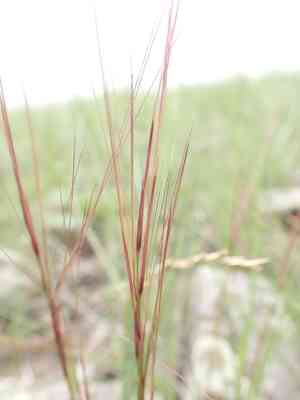
Aristida longiseta (Aristida longiseta)
Also known as: Long-awned Three-awn, Red Three-Awn
Aristida longiseta, known as red three-awn, is a perennial grass well-suited to dry, open habitats. Its defining features include long, slender awns that facilitate seed dispersal by wind or animal contact. The plant's deep root system allows it to tap into moisture from deeper soil layers, enhancing its drought resistance. Additionally, its narrow leaves minimize water loss, making it highly efficient in arid conditions. This grass is also versatile, thriving in various soil types, including sandy and rocky terrains, which helps prevent soil erosion and supports its survival in challenging environments.
In This Article
Attributes of Aristida longiseta
Lifespan
Perennial
Plant Type
Grass
Plant Height
30 cm to 91 cm
Spread
Not applicable
Leaf Color
Green
Flower Size
Not applicable
Flower Color
Purplish or Reddish
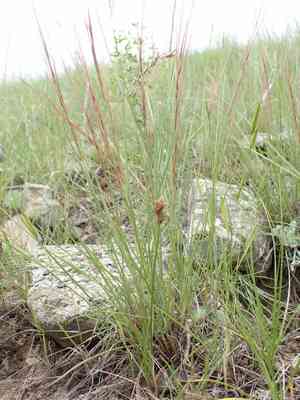
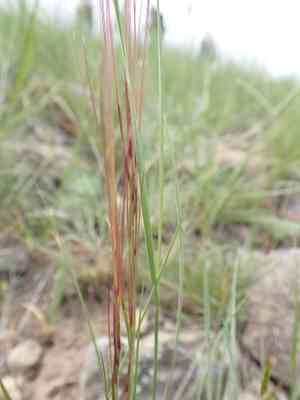
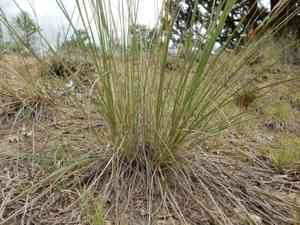
Images of Aristida longiseta
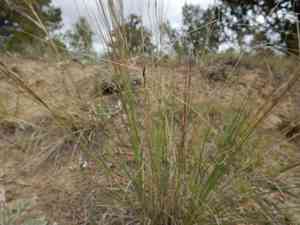
Quickly Identify Aristida longiseta
1
Aristida longiseta can be identified by its long awns (bristle-like appendages) attached to the seeds, usually in sets of three, and its reddish or purplish spikelets.
Scientific Classification of Aristida longiseta
Phylum
Vascular plants
Class
Monocotyledons
Order
Poales
Family
Grass
Genus
Threeawn
Species
Aristida longiseta
Planting and Growing of Aristida longiseta
Care Difficulty
Moderate
Watering Schedule
Every 2 days
Sunlight Requirements
Full sun
Sunshine Duration
6-8 hours
Ideal Temperature
65-85℉
Soil Type
Potting Mix, Peat Mix
Soil pH
6.5-7.5
Fertilizer Type
Balanced
Pruning Season
Spring, Summer
Pruning Area
Branches, Leaves
Pruning Frequency
2 times a year
Repotting Season
Spring
Pot Type
Plastic, Terracotta
 How to Water Aristida longiseta?
Aristida longiseta appreciates infrequent but thorough watering. Ensure the soil is well-moistened to a depth of at least a few inches, but avoid waterlogging. A single watering should be around 200 ml, providing sufficient hydration without over-saturating the soil. Allow the top layer of soil to dry out between waterings, ensuring the roots do not stay wet constantly.
What are the symptoms of an underwatered Aristida longiseta?
›
What should I do if my Aristida longiseta is not getting enough water?
›
What are the symptoms of an overwatered Aristida longiseta?
›
How to save an overwatered Aristida longiseta?
›
 What Are the Sunlight Requirements for Aristida longiseta?
Aristida longiseta prefers full sun to partial sun, ensuring 6 to 8 hours of direct sunlight. Adequate light supports photosynthesis, promoting lush growth and resilience against environmental stressors.
What is the preferred light exposure for Aristida longiseta?
›
How can I modify light conditions if full sun is unavailable?
›
What benefits arise from ensuring ideal light conditions?
›
 What Is the Ideal Temperature Range for Aristida longiseta?
The ideal temperature range for growing Aristida longiseta is between 65°F and 85°F. This grass species thrives in warm conditions typical of its native habitats. Keeping the plant within this temperature range ensures optimal growth and vibrant health.
 What Soil is Best for Aristida longiseta?
Aristida longiseta thrives in well-drained soils that prevent water logging, which can drown the roots. These soils allow air to circulate better, supporting healthy root growth and overall plant development. This plant prefers soil that has moderate nutrient levels. Excessive fertilization can lead to lush foliage but weak structural growth, making it more susceptible to pests and disease. Aristida longiseta is naturally adapted to soils with low organic matter. These conditions replicate its native environment, ensuring robust and adaptive growth, and help maintain the plants' natural resilience.
 How to Fertilize Aristida longiseta?
For Aristida longiseta, it's important to use a balanced fertilizer with an N-P-K ratio of 10-10-10. For liquid fertilizers, apply at half the recommended strength to avoid burning the roots. Solid fertilizers should be applied at a rate of 1 pound per 100 square feet to ensure adequate nutrient uptake without overwhelming the plant.
 How to Prune Aristida longiseta?
To prune Aristida longiseta, first ensure you have sterilized pruning shears to prevent infections. Begin by removing any dead or discolored blades, cutting them close to the base. Trim back any overly long stalks to maintain the plant's tidy appearance. Regularly inspect the plant for any signs of damage or disease and remove affected parts promptly. After pruning, water the plant well to encourage recovery and nutrient uptake.
 How to Propagate Aristida longiseta plant?
1
Fill the seed tray with a well-draining potting mix, leaving about 1 cm of space at the top. Tap the tray lightly to even out the soil and remove any air pockets to ensure good seed-to-soil contact.
2
Scatter Aristida longiseta seeds evenly over the surface of the potting mix. Cover the seeds lightly with a thin layer of potting mix or vermiculite to maintain moisture. Make sure not to bury the seeds too deep as it hinders germination.
3
Mist the seeds gently with water to provide moisture without disturbing them. Maintain a consistent moisture level, but do not overwater. Keep the seed tray in a warm spot with indirect sunlight to support germination.
 How to Repot Aristida longiseta plant?
1
Aristida longiseta indicates it's time to repot when the roots are visibly crowding the drainage holes or the growth appears stunted. Additionally, noticing a quick drying out of the soil could also be a signal.
2
Choose a pot just one size larger than the current one, ensuring it has drainage holes. This avoids excess water retention and provides the roots enough room to spread, promoting healthy growth and aeration.
3
Opt for a well-draining soil, preferably a sandy mix. This ensures excess water drains away, reducing root rot risk while mimicking the plant's natural habitat, promoting sturdier and healthier growth.
Learn More About Aristida longiseta Diseases
Anthracnose
Bacterial Leaf Spot
Bacterial Wilt
Cyst Nematode
Damping-off
Downy Mildew
Drought Stress
Fusarium Wilt
Gray Mold
Leaf Spot
Mosaic
Nutrient Deficiency
Nutrient Toxicity
Powdery Mildew
Root Rot
Root-knot Nematode
Rusts
Sooty Mold
Spider Mites
Temperature Stress
Thrips Damage
White Mold
Chemical Injury



