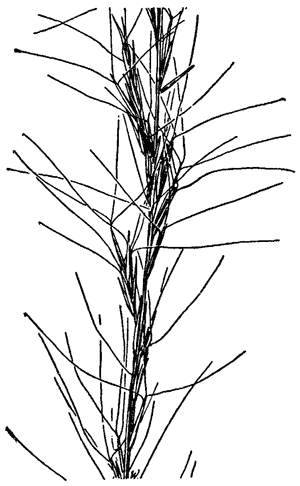
Slimspike threeawn (Aristida longespica)
Also known as: Spiked needlegrass
The grass species *Aristida longespica* is commonly referred to as slimspike threeawn. In Connecticut, the variety *Aristida longespica var. geniculata* is recognized as a species of special concern.
In This Article
Attributes of Slimspike threeawn
Lifespan
Annual
Plant Type
Grass
Plant Height
30 cm to 38 cm
Spread
Not applicable
Leaf Color
Green
Flower Size
Not applicable
Flower Color
Pale green to purple
Images of Slimspike threeawn
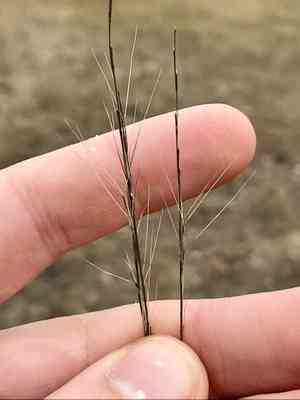
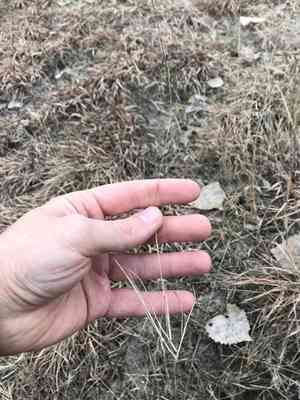
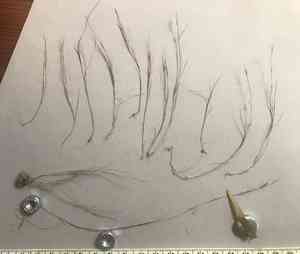
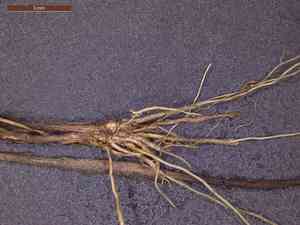
Quickly Identify Slimspike threeawn
1
To identify Aristida longespica, look for its slender, erect stems that can reach heights of 20-50 cm. The grass has characteristic long awns, usually 2-5 cm in length. The leaves are narrow and wiry, and the spikelets are arranged in a loose, open panicle.
Scientific Classification of Slimspike threeawn
Phylum
Vascular plants
Class
Monocotyledons
Order
Poales
Family
Grass
Genus
Threeawn
Species
Slimspike threeawn
Planting and Growing of Slimspike threeawn
Care Difficulty
Easy
Watering Schedule
Every 2 days
Sunlight Requirements
Full sun
Sunshine Duration
8-12 hours
Ideal Temperature
60-75℉
Soil Type
Potting Mix, Peat Mix
Soil pH
6-8
Fertilizer Type
Balanced
Pruning Season
Spring, Summer
Pruning Area
Branches, Leaves
Pruning Frequency
2 times a year
Repotting Season
Spring
Pot Type
Plastic, Ceramic
 How to Water Slimspike threeawn?
For Aristida longespica, water the plant so that the soil is evenly moist but not waterlogged. This means about 200 milliliters per session, ensuring that the soil neither dries completely nor stays overly soggy.
What are the symptoms of an underwatered Slimspike threeawn?
›
What should I do if my Slimspike threeawn is not getting enough water?
›
What are the symptoms of an overwatered Slimspike threeawn?
›
How to save an overwatered Slimspike threeawn?
›
 What Are the Sunlight Requirements for Slimspike threeawn?
Aristida longespica prefers full sun to partial sun, generating optimal growth conditions with at least six hours of direct sunlight per day. This lighting ensures vigorous growth and robust plant health, maximizing its natural resilience and aesthetic appeal.
Optimal Sun Exposure
›
Solutions for Ideal Lighting
›
Benefits of Adequate Sunlight
›
 What Is the Ideal Temperature Range for Slimspike threeawn?
The ideal temperature range for growing Aristida longespica is between 60°F and 75°F. This range provides the best conditions for the plant’s metabolic processes. Within this range, the plant can photosynthesize efficiently, ensuring optimal growth and development. Maintaining these conditions will help the plant thrive and resist mild stressors.
 What Soil is Best for Slimspike threeawn?
Aristida longespica thrives in well-drained soils, which prevent root rot and other water-related issues. Proper drainage ensures the plant's roots receive adequate air, promoting healthy growth and preventing fungal infestations. This plant requires soils with low nutrient content, making it suitable for poor-quality soils where other plants might struggle. It benefits from not competing for nutrients, allowing it to establish itself quickly and robustly. Preferring drier soils, Aristida longespica is well-suited to arid and semi-arid environments. This adaptation allows it to conserve water more efficiently, ensuring survival during periods of drought.
 How to Fertilize Slimspike threeawn?
For Aristida longespica, the fertilizer should be applied lightly to avoid over-nourishing the plant. A general guideline is to use a quarter of the recommended amount on the fertilizer package, especially for liquid fertilizers. Using too much can harm the plant, while too little can stunt its growth. Always read the label and adjust according to your plant’s specific needs.
 How to Prune Slimspike threeawn?
Ensure safety by wearing gloves and using appropriate cutting tools. Prune during dry weather to prevent the spread of moisture-borne diseases. Ideal timing avoids the heat of the afternoon, which can stress the plant immediately after pruning. Always use sterilized pruning shears to avoid introducing pathogens. Discard diseased plant material properly to prevent infection spread in your garden. Clean tools after use to prolong their life and maintain gardening hygiene.
 How to Propagate Slimspike threeawn plant?
1
Fill the seed tray with sterile potting mix, ensuring it is evenly distributed. Lightly water the soil to ensure it is damp but not waterlogged. This moisture will help seeds adhere to the soil surface.
2
Distribute the Aristida longespica seeds evenly over the soil surface. Cover them with a fine layer of soil, approximately 1/8 inch thick, to protect them and provide the darkness needed for germination.
3
Maintain consistent moisture levels by lightly misting the seed tray regularly. Keep the tray in a warm environment, ideally around 20-25°C. This temperature range encourages prompt seed germination.
 How to Repot Slimspike threeawn plant?
1
If you notice stunted growth or roots emerging from the pot's drainage holes, it's time to repot Aristida longespica. These signs indicate that the plant has outgrown its current container and needs more space to thrive.
2
Select a pot that is one size larger than the current pot; this aids in root expansion while avoiding overwatering. Ensure it has adequate drainage holes to prevent waterlogging, which could harm the roots.
3
Opt for a well-draining sandy soil mix. This type of soil promotes proper water flow and aeration, preventing root rot and ensuring that the plant's roots receive the oxygen they need.



