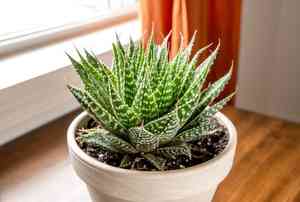
Guinea-fowl aloe (Aristaloe aristata)
Also known as: Long-awned aloe
Lace Aristaloe aristata leaves are emerald green and covered with white dentate bumps. In environments with insufficient light, its leaves will become thin. Lace Aristaloe aristata is superbly adaptable to different environments and is suitable for outdoor planting. Proper shading is needed in the summer or the plant will dry out, turn dark brown, or blacken.
In This Article
Attributes of Guinea-fowl aloe
Lifespan
Perennial
Plant Type
Succulent, Herb
Plant Height
20 cm
Spread
15 cm
Leaf Color
Green White
Flower Size
4 cm
Flower Color
Red Orange
Images of Guinea-fowl aloe
Quickly Identify Guinea-fowl aloe
1
Identify Aristaloe aristata by its distinctive rosette formation, bright green leaves with white, spiny tubercles, and its propensity to form offsets around the base of the mother plant.
Scientific Classification of Guinea-fowl aloe
Phylum
Vascular plants
Class
Monocotyledons
Order
Asparagales
Family
Asphodel
Genus
Lace aloes
Species
Guinea-fowl aloe
Planting and Growing of Guinea-fowl aloe
Care Difficulty
Easy
Watering Schedule
Every 2 days
Sunlight Requirements
Full sun
Sunshine Duration
6-10 hours
Ideal Temperature
65-75℉
Soil Type
Potting Mix, Peat Mix
Soil pH
6.5-7.5
Fertilizer Type
Balanced
Pruning Season
Spring, Summer
Pruning Area
Branches, Leaves
Pruning Frequency
Once a year
Repotting Season
Spring
Pot Type
Ceramic, Plastic
 How to Water Guinea-fowl aloe?
It's crucial to water Aristaloe aristata with around 200 ml, ensuring the soil remains slightly damp but never soggy. The goal is to mimic its natural arid environment, where brief drizzles support its needs. Overwatering can lead to root rot, so always allow the soil to dry out between waterings.
More About Watering Techniques→
What are the symptoms of an underwatered Guinea-fowl aloe?
›
What should I do if my Guinea-fowl aloe is not getting enough water?
›
What are the symptoms of an overwatered Guinea-fowl aloe?
›
How to save an overwatered Guinea-fowl aloe?
›
 What Are the Sunlight Requirements for Guinea-fowl aloe?
Aristaloe aristata benefits from partial to full sun, with its ideal light range being exposure to 4 to 6 hours of daily sunlight. Proper lighting encourages robust growth, strengthens its structure, and enhances its distinctive coloration.
More About Sunlight Requirements Techniques→
How much light does Aristaloe aristata need?
›
Where should I place my Aristaloe aristata for optimal light?
›
What are the signs of ideal light exposure for Aristaloe aristata?
›
 What Is the Ideal Temperature Range for Guinea-fowl aloe?
The ideal temperature range for Aristaloe aristata is between 65°F and 75°F, providing a comfortable environment for optimal growth. This temperature range mimics the plant's natural habitat, allowing it to maintain healthy metabolic processes and ensuring proper hydration and nutrient absorption.
 What Soil is Best for Guinea-fowl aloe?
Aristaloe aristata thrives in well-draining soil to prevent root rot. This soil characteristic allows excess water to drain away quickly, ensuring the plant's roots remain healthy and promotive of robust growth. While this plant is not overly demanding when it comes to nutrient-rich soils, a moderate level of fertility ensures steady growth and vibrant leaf coloration. It benefits from occasional feeding without being prone to over-fertilization issues. Aerated soil promotes healthy root development and allows the roots to access oxygen effectively. This reduces the risk of root diseases and supports the plant’s vitality and resilience, especially in container gardening.
More About Soil→
 How to Fertilize Guinea-fowl aloe?
Aristaloe aristata doesn't require heavy fertilization. An appropriate amount is a diluted liquid fertilizer applied at half the recommended strength every two weeks. This ensures the plant receives adequate nutrients without overwhelming its root system.
 How to Prune Guinea-fowl aloe?
Begin by identifying dead or damaged leaves. Using clean scissors, carefully cut these close to the base without harming the healthy growth. Keep the plant's natural shape in mind. Post-pruning, it's essential to clean tools with alcohol or a bleach solution. This practice reduces the risk of transmitting diseases between plants.
 How to Propagate Guinea-fowl aloe plant?
1
Ensure the mother plant is healthy and well-watered before starting propagation. A vigorous plant will have more resources to heal after cuttings are taken.
2
Select a mature, healthy leaf and use a sterilized knife to cut it close to the base. Allow the cutting to callous over for a few days, which helps prevent rot.
3
After the cut edge has calloused, place the cutting in a well-draining soil mix. Water lightly and keep the soil moist but not wet, to encourage root development.
 How to Repot Guinea-fowl aloe plant?
1
Aristaloe aristata shows it's time for a new pot when roots begin poking out through drainage holes or the plant seems to outgrow its pot rapidly. These signs indicate that the roots need more space to spread, and repotting can help provide this essential room. Also, if the growth is stunted or if you notice water not soaking in quickly, it indicates it's the right time to consider repotting.
2
Opt for a slightly larger pot with excellent drainage holes to prevent waterlogging, which is crucial for Aristaloe aristata's health. A ceramic or terracotta pot can be ideal as these materials provide weight to prevent the plant from tipping over. Moreover, they facilitate soil drying, thus minimizing root rot risks.
3
A well-draining cactus or succulent mix is essential for Aristaloe aristata as it minimizes the risk of root rot and ensures that excess water can swiftly exit the soil. Incorporating a mix with sand, perlite, or small gravel optimizes drainage and provides a similar natural habitat for the plant.



