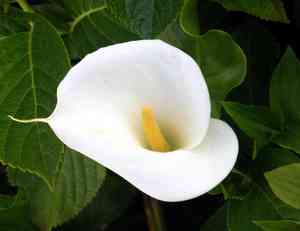
Whipcord cobra lily (Arisaema tortuosum)
Also known as: Whipcord Cobra Lily
The Whipcord cobra lily (Arisaema tortuosum) stands out for its unique, whip-like spadix that rises above its greenish flowers, giving it an exotic and intriguing look. This shade-loving plant thrives in partially shaded garden areas and adds a striking visual element to dappled sunlight borders with its unusual floral structure.
In This Article
Attributes of Whipcord cobra lily
Lifespan
Perennial
Plant Type
Herb
Plant Height
1.5 m
Spread
1 m
Leaf Color
Green
Flower Size
3 cm to 4 cm
Flower Color
Green Purple
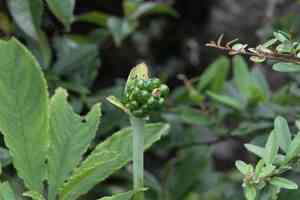
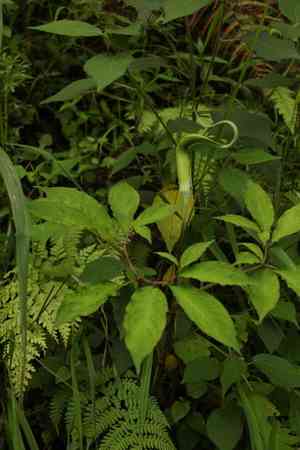
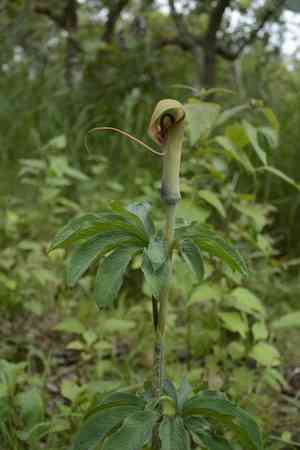
Images of Whipcord cobra lily

Quickly Identify Whipcord cobra lily
1
The plant can be identified by its tall, cylindrical spathe, which wraps around the spadix that extends beyond it in a whip-like structure. The leaves are typically large, trifoliate, and have a glossy appearance.
Scientific Classification of Whipcord cobra lily
Phylum
Vascular plants
Class
Monocotyledons
Order
Alismatales
Family
Arum
Genus
Jack-in-the-pulpit
Species
Whipcord cobra lily
Planting and Growing of Whipcord cobra lily
Care Difficulty
Hard
Watering Schedule
Every 2 days
Sunlight Requirements
Partial sun
Sunshine Duration
4-8 hours
Ideal Temperature
60-75℉
Soil Type
Potting Mix, Peat Mix
Soil pH
6.5-7.5
Fertilizer Type
Balanced
Pruning Season
Spring, Summer
Pruning Area
Branches, Leaves
Pruning Frequency
2 times a year
Repotting Season
Spring
Pot Type
Plastic, Ceramic
 How to Water Whipcord cobra lily?
When it comes to watering Arisaema tortuosum, it's essential to keep the soil consistently moist but not waterlogged. You should aim to water about 250 milliliters each time. This amount ensures that the roots have enough moisture without being drowned, maintaining a delicate balance that mimics its natural habitat.
What are the symptoms of an underwatered Whipcord cobra lily?
›
What should I do if my Whipcord cobra lily is not getting enough water?
›
What are the symptoms of an overwatered Whipcord cobra lily?
›
How to save an overwatered Whipcord cobra lily?
›
 What Are the Sunlight Requirements for Whipcord cobra lily?
Arisaema tortuosum thrives under partial sun conditions, ideally receiving about 2 to 4 hours of mild, filtered light daily. Adequate lighting supports vibrant foliage and flowering, while preventing stress-related issues.
More About Sunlight Requirements Techniques→
Solution for Ideal Lighting
›
Steps for Attaining Optimal Light
›
Benefits of Optimal Lighting
›
 What Is the Ideal Temperature Range for Whipcord cobra lily?
The ideal temperature range for Arisaema tortuosum lies between 60°F and 75°F. Within this range, the plant can achieve optimal growth and development. These temperatures mimic their natural habitat conditions, promoting healthy foliage and strong stems. Ensuring these conditions will help the plant thrive and enhance its unique appearance.
 What Soil is Best for Whipcord cobra lily?
Arisaema tortuosum thrives best in nutrient-rich soil. This requirement ensures the plant receives ample nutrients for its growth and reproduction, promoting fuller leaves and robust stalks. Good drainage is essential to prevent root rot. Soils that permit excess water to escape help the plant maintain healthy roots, which is crucial for nutrient absorption and overall plant health. While drainage is important, a certain level of moisture retention is also needed. This balance helps Arisaema tortuosum to remain hydrated without becoming waterlogged, ensuring steady growth.
 How to Fertilize Whipcord cobra lily?
Arisaema tortuosum responds well to light feeding. Use a balanced liquid fertilizer diluted to half its strength when watering. This ensures that you provide adequate nutrients without overwhelming the plant.
 How to Prune Whipcord cobra lily?
Begin by identifying any old or dead foliage on the plant. These leaves will often be discolored or withering. Removing them will not only improve the plant's appearance but also prevent potential diseases from spreading. Before you start pruning, ensure your tools are clean and sharp. Sterilizing them with a solution of water and alcohol can prevent the transfer of diseases. This is crucial for the long-term health of your Arisaema tortuosum. Use a pair of sharp, clean shears to carefully trim away any unwanted leaves. Make sure to cut close to the base without damaging the main stem. This will encourage new growth in the next season. After pruning, water the plant adequately and consider adding mulch to help retain moisture. This will aid recovery and enhance growth in your Arisaema tortuosum.
More About Pruning Techniques→
 How to Propagate Whipcord cobra lily plant?
1
Begin by soaking the Arisaema tortuosum seeds in lukewarm water for 24 hours. This process helps soften the seed coat and promotes faster germination. After soaking, drain the water and let the seeds dry slightly before sowing.
2
Fill a seed tray with a well-draining potting mix. Sow the seeds on the surface of the soil, and lightly cover them with a thin layer of the same mix. Water gently but thoroughly to ensure the seeds and soil are evenly moist.
3
To propagate by division, carefully dig up the plant tubers during early spring. Separate the tubers, making sure each has a viable shoot. Replant them immediately at the same depth as they were growing before division.
 How to Repot Whipcord cobra lily plant?
1
Repotting Arisaema tortuosum should be considered when the plant outgrows its pot, which is indicated by roots emerging from the drainage holes or the plant becoming unstable. Spring and early Summer are ideal for repotting as the plant is entering its growth phase.
2
Select a pot that is only slightly larger than the current one, with good drainage to prevent root rot. A pot with 2-3 inches of extra diameter will suffice, allowing room for growth but preventing soil from retaining too much moisture, which could eventually harm the plant.
3
Opt for a well-draining, loamy soil mix that retains enough moisture to support the plant but drains excess water efficiently. This helps mimic the plant’s natural habitat, ensuring healthy root development and preventing over-watering issues.
Toxicity
Ingestion, Skin Contact
WARNING
The judgment on toxicity and danger is for reference only. We DO NOT GUARANTEE any accuracy of such judgment. Therefore, you SHALL NOT rely on such judgment. It is IMPORTANT TO SEEK PROFESSIONAL ADVICE in advance when necessary.
Learn More About Whipcord cobra lily Diseases
Anthracnose
Bacterial Leaf Spot
Bacterial Soft Rot
Bacterial Wilt
Crown Gall
Cyst Nematode
Damping-off
Downy Mildew
Drought Stress
Fusarium Wilt
Gray Mold
Leaf Spot
Mosaic
Nutrient Deficiency
Nutrient Toxicity
Powdery Mildew
Root Rot
Root-knot Nematode
Sooty Mold
Spider Mites
Temperature Stress
Thrips Damage
White Mold



