
Prickly poppies (Argemone) (Argemone)
Also known as: Prickly Poppy, Mexican Poppy, Argemone Mexicana
Prickly poppies (genus Argemone) are hardy flowering plants indigenous to the warm, arid regions of the Americas and Hawaii. These plants are easily identified by their spiny leaves and stems, along with their distinctive poppy-like flowers, which usually feature white or yellow crinkled petals with colorful centers. Known for their resilience, prickly poppies often flourish in challenging conditions and are frequently among the first wildflowers to appear in disturbed areas within their native habitats.
In This Article
Attributes of Prickly poppies (Argemone)
Lifespan
Annual
Plant Height
30 to 90 cm
Spread
Varies, generally spread out with a bushy appearance
Leaf Color
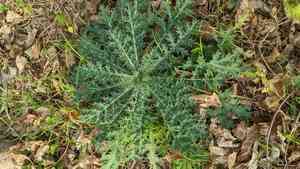
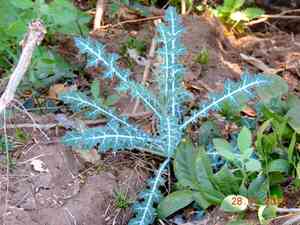
Green with white veins and spiny edges
Flower Size
5 to 7.5 cm
Flower Color
Yellow, white
Images of Prickly poppies (Argemone)
Quickly Identify Prickly poppies (Argemone)
1
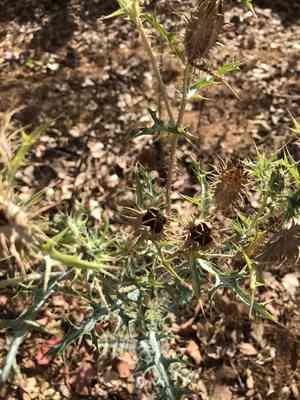
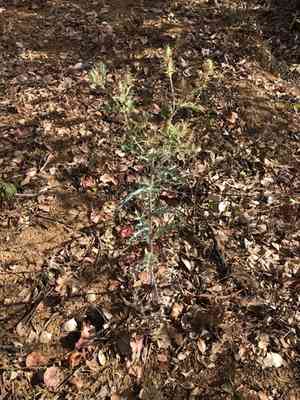
Argemone plants can be identified by their spiny leaves, large, solitary flowers with multiple stamens, and the presence of latex when broken. The flowers are typically white or yellow with a distinct dark center.
Scientific Classification of Prickly poppies (Argemone)
Phylum
Tracheophyta
Class
Magnoliopsida
Order
Ranunculales
Family
Papaveraceae
Genus
Argemone
Planting and Growing of Prickly poppies (Argemone)
Care Difficulty
Easy
Watering Schedule
Every 2 days
Sunlight Requirements
Full sun
Sunshine Duration
4-6 hours
Ideal Temperature
65-75℉
Soil Type
Potting Mix, Peat Mix
Soil pH
6-8
Fertilizer Type
Balanced
Pruning Season
Spring, Summer
Pruning Area
Branches, Leaves
Pruning Frequency
2 times a year
Repotting Season
Spring
Pot Type
Terracotta, Plastic
 How to Water Prickly poppies (Argemone)?
Argemone plants prefer a moderate amount of water. It's essential to water them deeply but infrequently, ensuring the soil gets evenly moist without being waterlogged. Aim for around 250ml per session, allowing water to reach the roots effectively but avoiding saturation.
What are the symptoms of an underwatered Prickly poppies (Argemone)?
›
What should I do if my Prickly poppies (Argemone) is not getting enough water?
›
What are the symptoms of an overwatered Prickly poppies (Argemone)?
›
How to save an overwatered Prickly poppies (Argemone)?
›
 What Are the Sunlight Requirements for Prickly poppies (Argemone)?
Argemone prefers full sun, ideally with 5 to 7 hours of exposure. The ample sunlight bolsters its growth, flower production, and resilience, ensuring a robust and healthy life cycle.
What is the best type of sunlight for Argemone?
›
How can you ensure Argemone receives adequate sunlight?
›
What benefits does optimal sunlight provide to Argemone?
›
 What Is the Ideal Temperature Range for Prickly poppies (Argemone)?
The ideal temperature range for Argemone is between 65°F and 75°F. This range ensures optimal growth and development, as Argemone thrives in mild conditions. Within this range, the plant can efficiently conduct photosynthesis and other physiological processes crucial for robust health.
 What Soil is Best for Prickly poppies (Argemone)?
Argemone thrives in well-drained soil, ensuring that the roots do not sit in water which can lead to rot. This type of soil helps in maintaining optimal moisture levels, promoting healthy root development and overall plant health. Surprisingly, Argemone performs well in nutrient-poor soils. The plant's adaptability to such conditions allows it to survive where other plants might struggle, reducing the need for fertilizers and allowing it to dominate in tougher soil environments. While Argemone can grow in a variety of soils, sandy loam is preferred as it provides a balance of drainage and water retention. Sandy loam assists in healthy root growth and is ideal for sustaining Argemone's growth cycle.
 How to Fertilize Prickly poppies (Argemone)?
For Argemone, it is crucial not to over-fertilize, as this can harm the plant more than under-fertilization. When using a liquid fertilizer, mix it at half the recommended strength for general use. A teaspoon of balanced 10-10-10 liquid fertilizer diluted in a gallon of water is suitable, applied every two to three weeks during the growing season.
 How to Prune Prickly poppies (Argemone)?
Begin by examining the plant for any dead or yellowing leaves and remove them with clean pruning shears. Focus on cutting away any damaged or diseased parts to prevent spread. Gradually shape the plant by trimming long stems, ensuring to cut just above a joint to encourage side growth. This method assists in maintaining a tidier and more aesthetically pleasing appearance. Argemone can benefit from shaping to encourage a compact form. Identify areas where the plant is overly dense, and selectively prune branches to allow better airflow and light penetration. Be sure to maintain the natural structure while ensuring cuts are precise and clean, avoiding tearing or crushing the stems.
 How to Propagate Prickly poppies (Argemone) plant?
1
Choose healthy and viable seeds of Argemone from a trusted source. Ensure the seeds are free from any infections or visible damage to enhance the chances of successful germination.
2
Fill seed trays with a suitable potting soil mix. Moisten the soil slightly without making it waterlogged to create the perfect environment for seed growth.
3
Distribute the seeds evenly across the surface of the soil. Cover them lightly with a thin layer of soil and gently press down to ensure good soil contact.
 How to Repot Prickly poppies (Argemone) plant?
1
Argemone typically requires repotting when its roots start to outgrow the container, visible by roots poking through drainage holes or plant growth slowing down. Repot in early spring when the plant is emerging from dormancy, allowing the roots to establish before the flowering season.
2
Select a pot that is 2 inches larger in diameter than the current one. Ensure the new pot has good drainage holes to prevent waterlogging, which can lead to root rot. A slightly larger pot encourages root growth without overwhelming the plant's energy expenditures.
3
Opt for a well-draining sandy mix, as Argemone requires excellent drainage to thrive. This type of soil prevents water from stagnating around the roots, reducing the risk of fungal infections and promoting healthy root development.
Toxicity
Ingestion of seeds or plant parts
WARNING
The judgment on toxicity and danger is for reference only. We DO NOT GUARANTEE any accuracy of such judgment. Therefore, you SHALL NOT rely on such judgment. It is IMPORTANT TO SEEK PROFESSIONAL ADVICE in advance when necessary.

