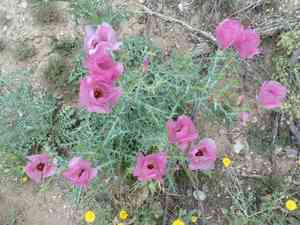
Red pricklypoppy (Argemone sanguinea)
Also known as: Mexican Prickly Poppy, Red Prickly Poppy
The Ocotillo (Fouquieria splendens) is notable for its spiny stems and striking red blooms. This desert plant thrives in dry, arid soils and can endure minimal water and intense sunlight. Its thorny exterior helps protect it from herbivores, making it well-suited to survive in harsh desert conditions.
In This Article
Attributes of Red pricklypoppy
Lifespan
Annual
Plant Type
Herb
Plant Height
91 cm to 1.8 m
Spread
0.5 to 1 meter
Leaf Color
Bluish-green
Flower Size
7 to 10 centimeters
Flower Color
Red
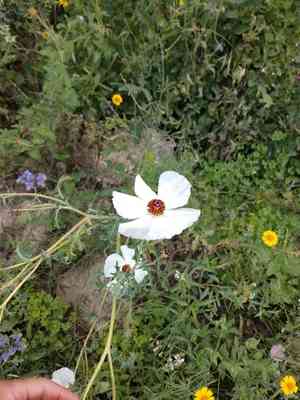
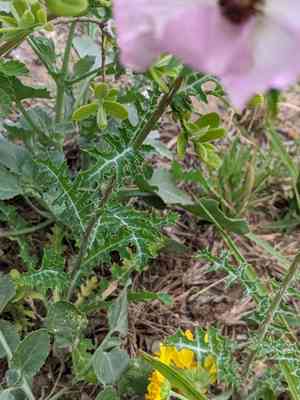
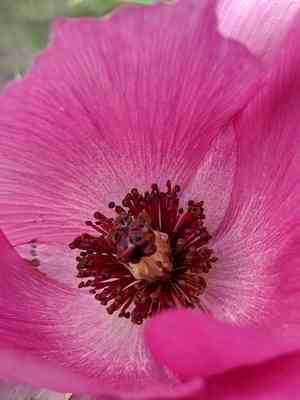
Images of Red pricklypoppy
Quickly Identify Red pricklypoppy
1
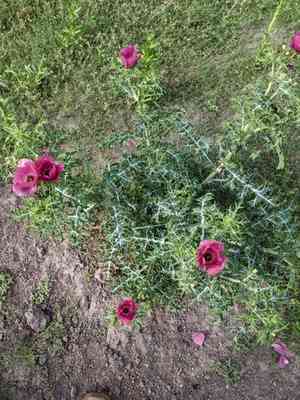
This plant can be identified by its prickly stems and leaves, deep red flowers with prominent yellow center, and bluish-green foliage. The finely divided leaves are covered in spikes, and the flowers have crinkled petals.
Scientific Classification of Red pricklypoppy
Phylum
Vascular plants
Class
Dicotyledons
Order
Ranunculales
Family
Poppy
Genus
Prickly poppies
Species
Red pricklypoppy
Planting and Growing of Red pricklypoppy
Care Difficulty
Easy
Watering Schedule
Every 3 days
Sunlight Requirements
Full sun
Sunshine Duration
6-8 hours
Ideal Temperature
68-77℉
Soil Type
Potting Mix, Peat Mix
Soil pH
6.5-7.5
Fertilizer Type
Balanced
Pruning Season
Spring, Summer
Pruning Area
Branches, Leaves
Pruning Frequency
2 times a year
Repotting Season
Spring
Pot Type
Plastic, Ceramic
 How to Water Red pricklypoppy?
Argemone sanguinea requires careful watering. The goal is to moisten the soil thoroughly but allow it to dry out between watering sessions. Providing around 300 ml ensures the roots are hydrated without oversaturating the soil, mimicking its natural arid habitat.
What are the symptoms of an underwatered Red pricklypoppy?
›
What should I do if my Red pricklypoppy is not getting enough water?
›
What are the symptoms of an overwatered Red pricklypoppy?
›
How to save an overwatered Red pricklypoppy?
›
 What Are the Sunlight Requirements for Red pricklypoppy?
Argemone sanguinea thrives best under full sunlight conditions. Adequate sunlight exposure accelerates photosynthesis, resulting in more vibrant blooms and stronger overall plant structure.
How much light does Argemone sanguinea need?
›
What solutions help achieve ideal light conditions?
›
What are the benefits of ideal lighting?
›
 What Is the Ideal Temperature Range for Red pricklypoppy?
Argemone sanguinea thrives best in temperatures between 68°F to 77°F. This range provides an optimal environment for the plant's active growth and flowering processes. Such conditions are similar to a warm, mild climate where the plant's metabolic functions are not stressed.
 What Soil is Best for Red pricklypoppy?
Argemone sanguinea thrives in well-draining soil to prevent root rot. Ensuring good drainage allows the roots to remain oxygenated and healthy, promoting robust growth and a vibrant flowering season. This plant prefers soil with moderate fertility. Overly rich soil can lead to lush foliage with minimal flowering, while nutrient-poor soil might stunt its growth, underscoring the need for balanced nutrient levels. Although technically a soil requirement, planting in locations with adequate sun exposure ensures that the soil temperature encourages strong growth and helps maintain the plant’s drought-resistant properties.
 How to Fertilize Red pricklypoppy?
For Argemone sanguinea, it's crucial to use a balanced fertilizer, preferably 10-10-10 or 20-20-20. Liquid fertilizers should be diluted to half-strength before application, ensuring the solutions are not too concentrated, which helps mitigate the risk of root burn.
 How to Prune Red pricklypoppy?
Begin by examining the plant for any dead or diseased stems. Using a sharp and clean pair of pruning shears, remove these stems as close to the base as possible. This will help prevent the spread of disease and encourage new growth. Aim to cut back about one-third of the plant's total growth to encourage compact and bushy growth. Always make cuts at a slight angle above a leaf node to promote healty regrowth. To maintain the natural beauty of Argemone sanguinea, focus on shaping it into a pleasing form. This involves cutting back any long, unruly growth that disrupts the plant's overall shape. Be methodical in your approach, stepping back occasionally to assess the symmetry and balance of the plant. Remember that while shaping, you should never remove more than one-third of the plant at once to avoid stress.
More About Pruning Techniques→
 How to Propagate Red pricklypoppy plant?
1
Begin by filling seed trays with sterilized potting mix. Ensure the mix is slightly damp but not waterlogged. The seed bed should be flat and even, allowing seeds to settle snugly into the surface. It's essential to label each tray with the plant species and date of planting to track germination progress.
2
Sprinkle Argemone sanguinea seeds evenly across the soil surface. Cover them lightly with a thin layer of potting mix, making sure not to bury them too deep, as they require light for germination. Lightly mist the surface with water to moisten the seeds.
3
Place the seed trays in a warm, sunny location or under grow lights to ensure they receive adequate light. Maintain consistent soil moisture by misting regularly, but avoid overwatering, which can lead to damping off. A plastic dome or clear lid can be used to retain humidity.
 How to Repot Red pricklypoppy plant?
1
Repot Argemone sanguinea when you notice its roots crowding the pot or protruding from drainage holes, ideally at the beginning of the growing season. This ensures that the plant has ample room to grow, enhancing its vitality and bloom potential.
2
Choose a pot that is about 2 inches larger in diameter than the current one. Terra-cotta pots are a great choice as they enhance air circulation around the roots and wick moisture away, preventing overwatering. Ensure the pot has ample drainage holes at the base.
3
Opt for a well-draining cactus mix, which helps prevent waterlogging. This soil type is ideal because it retains minimal moisture, which mimics the plant's natural environment, preventing root rot and other water-related issues.
Toxicity
Ingestion, Contact
WARNING
The judgment on toxicity and danger is for reference only. We DO NOT GUARANTEE any accuracy of such judgment. Therefore, you SHALL NOT rely on such judgment. It is IMPORTANT TO SEEK PROFESSIONAL ADVICE in advance when necessary.
Learn More About Red pricklypoppy Diseases
Anthracnose
Bacterial Leaf Spot
Black Spot
Chemical Injury
Damping-off
Downy Mildew
Drought Stress
Fusarium Wilt
Gray Mold
Leaf Curl
Leaf Spot
Mosaic
Nutrient Deficiency
Nutrient Toxicity
Powdery Mildew
Root Rot
Root-knot Nematode
Rusts
Sooty Mold
Spider Mites
Temperature Stress
Thrips Damage
White Mold


