
Southwestern pricklypoppy (Argemone pleiacantha)
Also known as: Southwestern Prickly Poppy, Blue Prickly Poppy
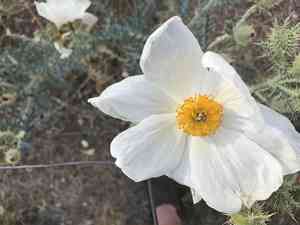
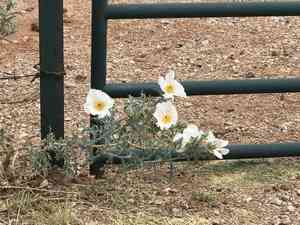
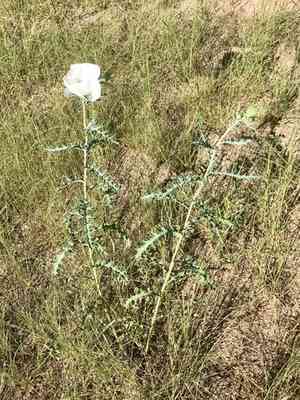
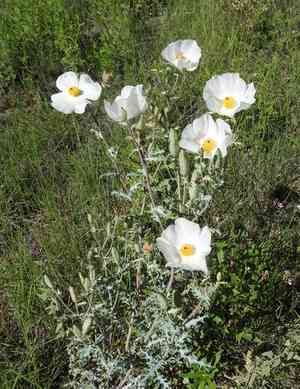
Herbs can be either annual or perennial plants with various growth habits. They often have branching, upright stems that can grow up to 1.5 meters in height. Many herbs have prickly surfaces. Their leaves are usually blue-green and divided into sharp, toothed lobes. Flower buds, which may also be prickly, typically measure up to 2 cm in length. When they bloom, they reveal striking flowers with white petals.
In This Article
Attributes of Southwestern pricklypoppy
Lifespan
Perennial
Plant Type
Herb
Plant Height
30 cm to 1.8 m
Spread
30-90 cm (12-35 inches)
Leaf Color
Green
Flower Size
7-15 cm (2.8-5.9 inches)
Flower Color
White
Images of Southwestern pricklypoppy
Quickly Identify Southwestern pricklypoppy
1
Argemone pleiacantha can be identified by its spiny, deeply lobed leaves, and large, showy white flowers with bright yellow centers. The stems and leaves are covered with prickles, making them easy to distinguish.
Scientific Classification of Southwestern pricklypoppy
Phylum
Vascular plants
Class
Dicotyledons
Order
Ranunculales
Family
Poppy
Genus
Prickly poppies
Species
Southwestern pricklypoppy
Planting and Growing of Southwestern pricklypoppy
Care Difficulty
Easy
Watering Schedule
Every 2 days
Sunlight Requirements
Full sun
Sunshine Duration
6-10 hours
Ideal Temperature
60-75℉
Soil Type
Potting Mix, Peat Mix
Soil pH
6.5-7.5
Fertilizer Type
Balanced
Pruning Season
Spring, Summer
Pruning Area
Branches, Leaves
Pruning Frequency
2 times a year
Repotting Season
Spring
Pot Type
Plastic, Ceramic
 How to Water Southwestern pricklypoppy?
Argemone pleiacantha, commonly known as the prickly poppy, requires moderate watering. The soil should be allowed to dry out between waterings, but when you do water, ensure it deeply soaks into the ground, roughly around 250 ml per watering session. This mimics the natural, infrequent but substantial rainfall in its native habitat.
What are the symptoms of an underwatered Southwestern pricklypoppy?
›
What should I do if my Southwestern pricklypoppy is not getting enough water?
›
What are the symptoms of an overwatered Southwestern pricklypoppy?
›
How to save an overwatered Southwestern pricklypoppy?
›
 What Are the Sunlight Requirements for Southwestern pricklypoppy?
Argemone pleiacantha thrives best in full sun, with 6 to 8 hours of light. Ideal lighting fosters strong growth, enhances blooming, and strengthens the plant's resilience against pests and diseases.
How much sunlight does Argemone pleiacantha need?
›
What solutions ensure ideal sunlight for Argemone pleiacantha?
›
What are the benefits of ideal lighting for Argemone pleiacantha?
›
 What Is the Ideal Temperature Range for Southwestern pricklypoppy?
The ideal temperature range for Argemone pleiacantha is between 60°F and 75°F. This range provides optimal conditions for photosynthesis, ensuring healthy growth and development. Consistent temperatures within this range also help prevent stress and disease.
 What Soil is Best for Southwestern pricklypoppy?
Argemone pleiacantha thrives in well-drained soils that prevent waterlogging, which can lead to root rot. The well-drained nature ensures that the roots receive adequate oxygen, promoting robust plant growth and vibrant blooms. Although resilient, Argemone pleiacantha benefits from soils enhanced with organic matter. This nutrient-rich content provides essential elements that contribute to a more vigorous plant with improved flowering and resilience against environmental stresses. A moderate ability to retain moisture is ideal for Argemone pleiacantha, balancing water availability without forming soggy conditions. This balance ensures sustained growth, especially during the blooming phase when plants require consistent moisture availability.
 How to Fertilize Southwestern pricklypoppy?
For Argemone pleiacantha, use a balanced liquid fertilizer diluted to half strength. Apply it evenly to avoid nutrient burn, ensuring each application provides sufficient nutrients without over-saturating the soil. Monitor soil responsiveness and adjust accordingly, focusing on the plant's growth and condition.
 How to Prune Southwestern pricklypoppy?
Begin pruning Argemone pleiacantha by using clean and sharp pruning shears. Start by removing any dead or diseased stems. Cut them back to the base or to healthy tissue. Trim back leggy growth to maintain a compact shape, aiming for a natural, rounded form. Focus on removing any crossing or tangled branches to improve air circulation. This will reduce the risk of fungal diseases. Ensure to prune just above a leaf node to encourage new growth.
More About Pruning Techniques→
 How to Propagate Southwestern pricklypoppy plant?
1
Choose healthy and mature seeds from a reliable source. Inspect them for any signs of damage or disease to ensure successful germination.
2
Fill a seed tray with potting soil, ensuring it is well-drained. Moisten the soil slightly before placing the seeds.
3
Scatter the seeds evenly over the soil surface and cover them lightly with a thin layer of soil. This prevents them from being washed away during watering.
 How to Repot Southwestern pricklypoppy plant?
1
Argemone pleiacantha needs repotting when you notice roots growing through the drainage holes of the pot or if the plant appears top-heavy. Spring and early summer are ideal times. Watch for slowed growth and soil that dries out too quickly as indicators that it is time to repot.
2
Select a pot that is slightly larger than the current one, with ample drainage holes. The pot should be just spacious enough to accommodate growth for the next couple of years. This prevents overwatering issues and ensures proper air circulation around the roots.
3
Opt for a well-draining soil mix specifically designed for cacti and succulents. This type of soil mix prevents water retention, reducing the risk of root rot. A mixture with components like perlite, sand, and a small amount of organic matter works wonders for Argemone pleiacantha.
Toxicity
Ingestion of seeds or other plant parts.
WARNING
The judgment on toxicity and danger is for reference only. We DO NOT GUARANTEE any accuracy of such judgment. Therefore, you SHALL NOT rely on such judgment. It is IMPORTANT TO SEEK PROFESSIONAL ADVICE in advance when necessary.



