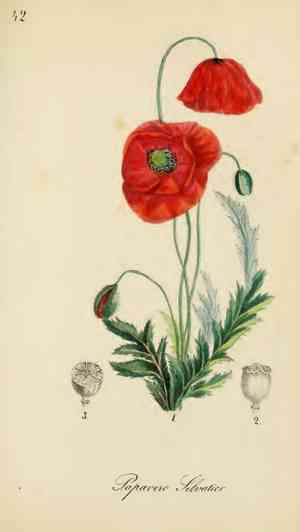
Chicalote poppy (Argemone platyceras)
Also known as: Prickly Poppy, White Prickly Poppy
The Chicalote poppy, part of the Argemone genus rather than true poppies, features distinctive prickly leaves and is highly favored by gardeners due to its large, showy flowers that can reach up to 15 cm in diameter and its ability to attract pollinators. However, caution is advised as both the leaves and seeds are toxic to humans and pets.
In This Article
Attributes of Chicalote poppy
Lifespan
Annual, Perennial
Plant Type
Herb
Plant Height
40 cm
Spread
40 cm
Leaf Color
Green Blue
Flower Size
5 cm to 8 cm
Flower Color
White
Images of Chicalote poppy
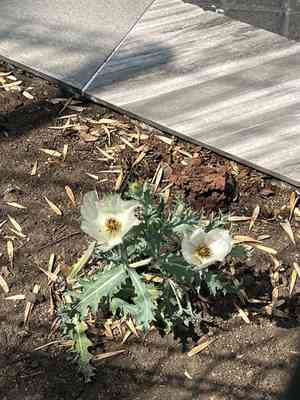
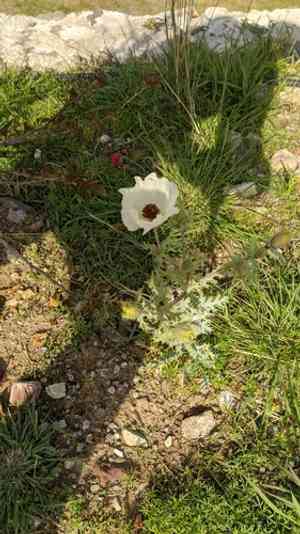
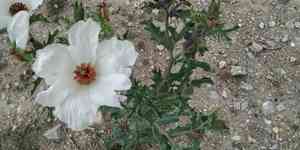
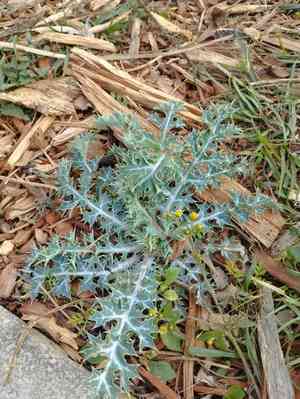
Quickly Identify Chicalote poppy
1
Identify Argemone platyceras by looking for its distinctive large, white flowers with a central cluster of yellow stamens and its deeply lobed, grey-green, spiny leaves. It typically grows in dry, arid environments and can often be found along roadsides and disturbed areas.
Scientific Classification of Chicalote poppy
Phylum
Vascular plants
Class
Dicotyledons
Order
Ranunculales
Family
Poppy
Genus
Prickly poppies
Species
Chicalote poppy
Planting and Growing of Chicalote poppy
Care Difficulty
Easy
Watering Schedule
Every 2 days
Sunlight Requirements
Full sun
Sunshine Duration
4-8 hours
Ideal Temperature
60-75℉
Soil Type
Potting Mix, Peat Mix
Soil pH
6.5-7.5
Fertilizer Type
Balanced
Pruning Season
Spring, Summer
Pruning Area
Branches, Leaves
Pruning Frequency
2 times a year
Repotting Season
Spring
Pot Type
Plastic, Ceramic
 How to Water Chicalote poppy?
Argemone platyceras requires a careful balance in water: enough to moisten the soil without oversaturation. It is crucial to water until you see the excess slowly seeping from the drainage holes. This ensures that the entire root system receives moisture but prevents waterlogging.
What are the symptoms of an underwatered Chicalote poppy?
›
What should I do if my Chicalote poppy is not getting enough water?
›
What are the symptoms of an overwatered Chicalote poppy?
›
How to save an overwatered Chicalote poppy?
›
 What Are the Sunlight Requirements for Chicalote poppy?
Full sun exposure is ideal, promoting maximum bloom potential and robust foliage for Argemone platyceras. Adequate sunlight ensures the plant's resistance to environmental stressors and pest attacks.
More About Sunlight Requirements Techniques→
How much direct sunlight is optimal?
›
What solutions are there to ensure sufficient sunlight?
›
What benefits come from providing the right lighting?
›
 What Is the Ideal Temperature Range for Chicalote poppy?
The ideal temperature range for growing Argemone platyceras is between 60°F and 75°F. This range provides the optimal conditions for the plant to thrive, ensuring robust growth and vibrant blooms. Maintaining this temperature helps mimic its natural habitat, thus supporting overall health.
 What Soil is Best for Chicalote poppy?
Argemone platyceras thrives in well-drained soil, which prevents waterlogging and root rot. Well-draining soil promotes healthy root development and ensures the plant receives adequate oxygen, leading to robust growth. This plant prefers nutrient-poor soil, as an abundance of nutrients can lead to excessive foliage growth at the expense of flowers. Minimal nutrient conditions encourage the production of the stunning blooms characteristic of Argemone platyceras. Argemone platyceras is tolerant of dry conditions and prefers soil that does not remain moist for prolonged periods. This helps mimic its natural desert habitat and prevents issues related to overwatering.
 How to Fertilize Chicalote poppy?
For Argemone platyceras, the fertilizer requirement is moderate. Use a balanced liquid fertilizer, diluted to half-strength, applied directly to the soil around the base. Each application should be around 1 ounce of diluted solution per plant, ensuring the soil is moist beforehand to prevent root burn.
 How to Prune Chicalote poppy?
Start by closely inspecting your Argemone platyceras for any signs of disease or damage. Remove any brown, wilted, or diseased leaves to prevent the spread of infections. Pay particular attention to the lower leaves that might be hidden. Carefully prune back any excessively long or stray stems to maintain the plant’s desired shape. Trim these back to a leaf node which encourages branching and a fuller growth pattern, enhancing the ornamental appearance.
More About Pruning Techniques→
 How to Propagate Chicalote poppy plant?
1
Fill seed trays with a well-draining potting mix. Ensure the mix is moist but not waterlogged. Level the surface, leaving enough space at the top to accommodate watering without spillage.
2
Sprinkle Argemone platyceras seeds evenly over the surface of the potting mix. Lightly press them into the mix but do not bury them too deep. They require some exposure to light for germination.
3
Gently water the seeds after sowing. Maintain consistent moisture without flooding the seeds. Position the trays in a location with bright, indirect sunlight to promote healthy germination and growth.
 How to Repot Chicalote poppy plant?
1
Repot Argemone platyceras when you notice roots emerging from the drainage holes or if growth has dramatically slowed down, indicating that the plant has outgrown its current pot. The beginning of spring is an ideal time as the plant is starting its active growth phase, making it more resilient to changes.
2
Select a pot that is one size larger than the current one, ensuring it has sufficient drainage holes. A terracotta pot is a fantastic choice as it allows moisture to evaporate through the porous material, preventing overwatering and root rot—a common issue with prickly poppies.
3
Opt for a well-draining cactus mix with added perlite or sand to increase drainage. This mix mimics the plant's natural arid environment, providing roots with the oxygen they need while preventing moisture from lingering, which could lead to disease or rot.
Toxicity
Ingestion
WARNING
The judgment on toxicity and danger is for reference only. We DO NOT GUARANTEE any accuracy of such judgment. Therefore, you SHALL NOT rely on such judgment. It is IMPORTANT TO SEEK PROFESSIONAL ADVICE in advance when necessary.
Learn More About Chicalote poppy Diseases
Anthracnose
Bacterial Leaf Spot
Bacterial Wilt
Chemical Injury
Damping-off
Downy Mildew
Drought Stress
Fusarium Wilt
Gray Mold
Leaf Curl
Leaf Spot
Mosaic
Nutrient Deficiency
Nutrient Toxicity
Powdery Mildew
Root Rot
Root-knot Nematode
Rusts
Sooty Mold
Spider Mites
Temperature Stress
Thrips Damage
White Mold



