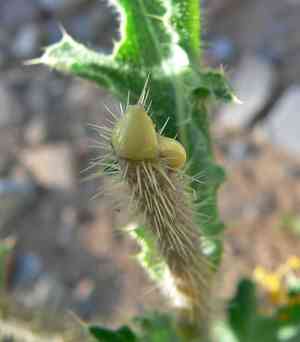
Chicalote (Argemone munita)
Also known as: Prickly Poppy, Chicalote
Chicalote (Argemone munita) typically reaches a height of around 91 cm. This perennial wildflower is notable for its prickly spikes, aligning with its name which denotes "armed." Its mint green leaves and summer-blooming white flowers, featuring vibrant yellow stamens, make it quite distinctive.
Attributes of Chicalote
Images of Chicalote
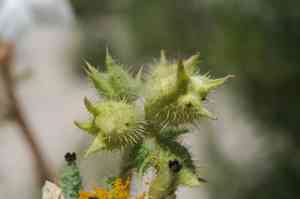
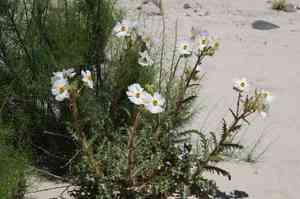
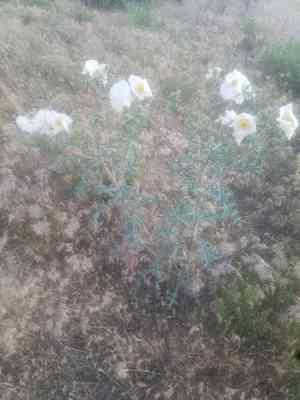
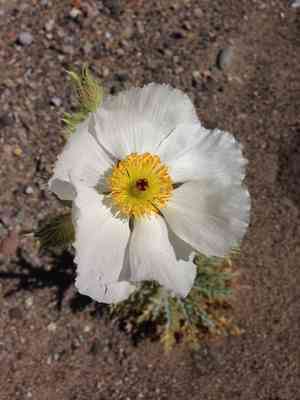
Quickly Identify Chicalote
Scientific Classification of Chicalote
Planting and Growing of Chicalote
 How to Water Chicalote?
 What Are the Sunlight Requirements for Chicalote?
 What Is the Ideal Temperature Range for Chicalote?
 What Soil is Best for Chicalote?
 How to Fertilize Chicalote?
 How to Prune Chicalote?
 How to Propagate Chicalote plant?
 How to Repot Chicalote plant?
Toxicity of Chicalote
Is Chicalote toxic to humans?
Chicalote is toxic when ingested, with the severity ranging from mild to severe, influenced by the parts consumed. The entire plant, particularly the seeds, harbors toxic alkaloids that are harmful. Symptoms can manifest as vomiting, diarrhea, capillary dilation in the skin, and eye damage. The toxicity level varies based on dosage, exposure duration, and individual sensitivity. As this is a frequently found garden plant, children are especially at risk.



