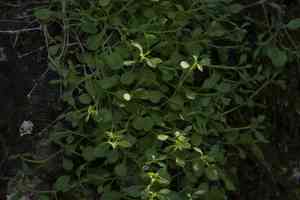
Sandworts (Arenaria) (Arenaria)
Also known as: Sandwort
A great option for both novice and experienced gardeners is Lavender. This hardy plant flourishes in sunny areas, adding a lovely touch to gardens with its vibrant blooms and aromatic scent. Once well established, Lavender is also resistant to frost, making it a reliable choice year-round.
In This Article
Attributes of Sandworts (Arenaria)
Lifespan
Annual, Perennial
Plant Height
10 cm
Spread
10 cm
Leaf Color
Green
Flower Size
0.5-1 cm (0.2-0.4 inches)
Flower Color
White
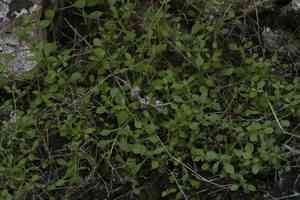
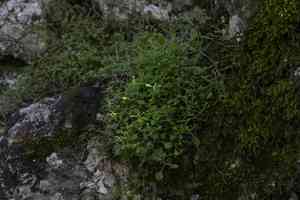
Images of Sandworts (Arenaria)
Quickly Identify Sandworts (Arenaria)
1
Arenaria can be identified by its small, white, star-shaped flowers, and its mat-forming habit. The leaves are usually opposite, linear to lanceolate, and the plant tends to grow in sandy or rocky substrates.
Scientific Classification of Sandworts (Arenaria)
Phylum
Magnoliophyta
Class
Magnoliopsida
Order
Caryophyllales
Family
Caryophyllaceae
Genus
Arenaria
Planting and Growing of Sandworts (Arenaria)
Care Difficulty
Moderate
Watering Schedule
Every 4 days
Sunlight Requirements
Full sun
Sunshine Duration
4-8 hours
Ideal Temperature
60-75℉
Soil Type
Potting Mix, Peat Mix
Soil pH
6.5-7.5
Fertilizer Type
Balanced
Pruning Season
Spring, Summer
Pruning Area
Branches, Leaves
Pruning Frequency
2 times a year
Repotting Season
Spring
Pot Type
Ceramic, Plastic
 How to Water Sandworts (Arenaria)?
Arenaria prefers moderate watering. This means maintaining the balance of moisture without letting the soil completely dry nor become too wet. Ensure that the top inch of soil feels dry to the touch before watering approximately 250 ml.
What are the symptoms of an underwatered Sandworts (Arenaria)?
›
What should I do if my Sandworts (Arenaria) is not getting enough water?
›
What are the symptoms of an overwatered Sandworts (Arenaria)?
›
How to save an overwatered Sandworts (Arenaria)?
›
 What Are the Sunlight Requirements for Sandworts (Arenaria)?
Arenaria flourishes in environments providing 5 hours of full sun combined with 3 hours of partial sun, enhancing growth. Optimal lighting promotes robust growth, maximizing flower production and improving the plant's overall health.
What is the best lighting condition for Arenaria?
›
How can I ensure optimal light for Arenaria?
›
What benefits do ideal lighting conditions provide?
›
 What Is the Ideal Temperature Range for Sandworts (Arenaria)?
The ideal temperature range for Arenaria is between 60°F and 75°F. This range allows the plant to carry out its physiological processes efficiently, ensuring proper growth and development. Maintaining temperatures within this range will result in vibrant foliage and healthy blooms, as the plant can photosynthesize and respire effectively without thermal stress.
 What Soil is Best for Sandworts (Arenaria)?
Arenaria thrives best in well-draining soil to prevent root rot. Ensuring good drainage helps the plant maintain a robust root system, vital for nutrient uptake and overall health. This plant requires soil with moderate fertility. Too rich soil may lead to leggy growth, while poor soil can stunt its development. A balanced nutrient profile supports steady growth and blooming. While Arenaria prefers well-draining soil, it also requires consistent moisture levels. The right moisture is crucial for maintaining turgidity and supporting cellular functions within the plant.
 How to Fertilize Sandworts (Arenaria)?
Arenaria plants prefer a balanced approach when it comes to fertilization. Ideally, use a diluted liquid fertilizer amounting to about a quarter of the recommended plant dosage. This ensures that the delicate nature of these plants is respected while they still receive adequate nutrients. Over-fertilization can be harmful, so it's key to err on the side of caution.
 How to Prune Sandworts (Arenaria)?
Conduct regular checks to identify any wilting, yellowing, or dead foliage. Removing unhealthy plant parts as they appear ensures your Arenaria stays healthy and tidy. This routine check not only maintains appearance but also prevents pest infestations. To maintain a bushy appearance, trim back any excessively long stems. This keeps the plant compact and encourages fuller growth. Focus on areas where stems are crossing or growing inward to maintain an open structure.
 How to Propagate Sandworts (Arenaria) plant?
1
Select healthy and viable seeds from a reliable source. Prepare the seeds by soaking them in lukewarm water for a few hours to enhance their germination potential. This step is important to break any seed dormancy and to ensure a higher germination success rate.
2
Select healthy, disease-free plant stems to use as cuttings. Make sure each cutting is about 4-6 inches long with several nodes. Remove the lower leaves to expose the nodes, which will encourage root development when placed in the growing medium.
3
To propagate by division, gently dig up a mature Arenaria plant. Carefully separate the root ball into smaller sections, ensuring each section has both roots and shoots. Replant each divided section into prepared soil to allow them to establish and grow as new plants.
 How to Repot Sandworts (Arenaria) plant?
1
Arenaria typically needs repotting when the plant appears root-bound, with roots emerging from drainage holes. Moreover, if the plant's growth noticeably slows, it may also be a sign that it's time to repot.
2
Selecting the right pot involves choosing one slightly larger than the current pot with proper drainage holes. This prevents waterlogging, which can cause root rot, ensuring the roots have space to grow and breathe.
3
Using a well-draining sand mix is vital for Arenaria, as it mimics their natural habitat. This type of soil prevents water retention, reducing the risk of root diseases and allows for adequate aeration.
Learn More About Sandworts (Arenaria) Diseases
Anthracnose
Bacterial Leaf Spot
Bacterial Soft Rot
Bacterial Wilt
Chemical Injury
Crown Gall
Cyst Nematode
Damping-off
Downy Mildew
Drought Stress
Fusarium Wilt
Gray Mold
Leaf Spot
Mosaic
Nutrient Deficiency
Nutrient Toxicity
Powdery Mildew
Root Rot
Root-knot Nematode
Rusts
Sooty Mold
Spider Mites
Temperature Stress
Thrips Damage
White Mold

