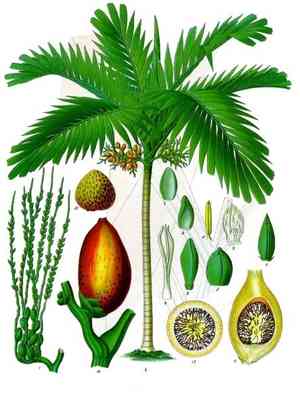
Areca (Areca) (Areca)
Also known as: Areca palm, Betel nut palm
Black walnut trees produce nuts that can be used for dyeing fabrics and tanning leather. These trees have robust trunks and broad, spreading canopies. The nuts themselves are encased in a thick, green husk that, when processed, yields a rich, dark dye. Black walnut trees are commonly found in forests and along roadsides, adding both aesthetic and practical value to their environments.
In This Article
Attributes of Areca (Areca)
Lifespan
Perennial
Plant Height
6 to 20 meters
Spread
1.2 to 2 meters
Leaf Color
Green
Flower Size
0.5 to 1 cm
Flower Color
White to yellowish
Images of Areca (Areca)

Quickly Identify Areca (Areca)
1
Areca palms can be identified by their feathery, arching leaves and smooth, ringed trunks. The trunk is single, slender, and light gray, with noticeable leaf scars. The leaves are pinnate, with numerous glossy leaflets arranged along the midrib.
Scientific Classification of Areca (Areca)
Phylum
Magnoliophyta
Class
Liliopsida
Order
Arecales
Family
Arecaceae
Genus
Areca
Planting and Growing of Areca (Areca)
Care Difficulty
Moderate
Watering Schedule
Every 3 days
Sunlight Requirements
Partial sun
Sunshine Duration
4-8 hours
Ideal Temperature
70-85℉
Soil Type
Potting Mix, Peat Mix
Soil pH
6.5-7.5
Fertilizer Type
Balanced
Pruning Season
Spring, Summer
Pruning Area
Branches, Leaves
Pruning Frequency
Once a year
Repotting Season
Spring
Pot Type
Plastic, Terracotta
 How to Water Areca (Areca)?
For the Areca palm, ensure you water deeply enough to reach the roots, supplying approximately 500 milliliters each time. Avoid letting the roots sit in water, as it can cause root rot. It's crucial to monitor the soil and let the top inch dry before the next watering to ensure the plant is neither too dry nor waterlogged.
What are the symptoms of an underwatered Areca (Areca)?
›
What should I do if my Areca (Areca) is not getting enough water?
›
What are the symptoms of an overwatered Areca (Areca)?
›
How to save an overwatered Areca (Areca)?
›
 What Are the Sunlight Requirements for Areca (Areca)?
Partial sun offers the ideal light conditions for Areca palms. This balance promotes healthy growth, lush foliation, and minimizes the risks of sun damage or insufficient light-induced stress.
What is the ideal light source for Areca palms?
›
How can you ensure sufficient lighting for the plant indoors?
›
What benefits does proper lighting bring to Areca?
›
 What Is the Ideal Temperature Range for Areca (Areca)?
The ideal temperature range for Areca palms to thrive is between 70°F to 85°F. This range supports healthy growth and ensures the plant maintains its vibrant green foliage. Maintaining temperatures within this range helps the plant to photosynthesize efficiently and stay stress-free.
 What Soil is Best for Areca (Areca)?
Areca palms need well-drained soil to prevent root rot and waterlogging. Soil that retains too much moisture can lead to root diseases. Well-drained soil ensures that excess water flows away, promoting healthy root growth. A nutrient-rich substrate is vital for the growth and lushness of Areca palms. A soil mix enriched with organic matter enhances its capacity to deliver essential nutrients, ensuring vibrant and robust foliage. Areca palms thrive in consistently moist but not waterlogged soil. Moderately moist conditions help maintain balanced hydration, fostering continuous growth and preventing leaf browning due to drought stress.
 How to Fertilize Areca (Areca)?
When it comes to fertilizing Areca palms, apply the fertilizer judiciously to ensure healthy growth and avoid nutrient burn. During active growth periods, use a balanced liquid fertilizer diluted to half strength and apply approximately 1 liter per square meter. For solid fertilizers, scatter a slow-release type over the soil at a rate of about 50 grams per square meter in early spring, mid-summer, and early autumn. This ensures that your palm receives a consistent supply of nutrients without overwhelming its root system.
 How to Prune Areca (Areca)?
Begin by examining the palm for any discolored or broken fronds. Hold the frond's base with one hand and use the shears with your other hand for a clean cut. It's important to avoid cutting too close to the trunk because that might injure the plant. Always follow the natural growth pattern and don't prune excessively as this can stress the plant. Though Areca palms can be pruned almost year-round, the best time is during the active growing phases in spring and summer. Pruning during these times promotes quicker recovery and growth. Always ensure that any pruning is followed by proper watering and care to support the plant’s needs.
 How to Propagate Areca (Areca) plant?
1
Fill the seed tray with a well-draining potting mix. Make sure the soil is evenly moist but not waterlogged. This setup will provide the optimal conditions for seed germination.
2
Scatter Areca seeds evenly across the surface of the soil and cover them with a thin layer of potting mix. The seeds should be placed in a warm and bright location for optimal germination.
3
When dividing clumps, carefully dig out the entire plant and gently separate the roots. Replant the divisions in new pots or garden beds, ensuring they are at the same depth as before.
 How to Repot Areca (Areca) plant?
1
Repotting for Areca plants is needed when you see roots circling the pot or poking out of the drainage holes. Another signal is stunted growth or visibly compacted soil. Spring and early summer are optimal times since this is when the plant enters its active growing phase.
2
Select a pot that is 1 to 2 inches larger in diameter than the current one. Ensure it has adequate drainage holes to prevent waterlogging, which Areca palms despise. A slightly larger pot allows room for growth without overwhelming the plant, thus reducing the risk of root rot.
3
Opt for a well-draining potting mix rich in organic matter. A balanced blend ensures proper drainage and aeration, keeping the roots healthy. This kind of soil mimics the Areca palm's natural environment, providing essential support for vigorous growth.
Toxicity
Ingestion, Chewing on leaves
WARNING
The judgment on toxicity and danger is for reference only. We DO NOT GUARANTEE any accuracy of such judgment. Therefore, you SHALL NOT rely on such judgment. It is IMPORTANT TO SEEK PROFESSIONAL ADVICE in advance when necessary.

