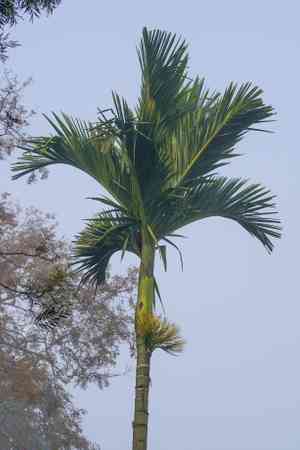
Areca palm(Areca catechu)

Areca palm (Areca catechu)

Also known as: Betel Nut Palm, Betel Nut , Betel palm, Pinang palm

The Areca palm, native to Southeast Asia, is recognized for its feathery green leaves and yellowish-red fruit. While the seeds are commonly chewed in many Southeast Asian cultures, the leaves also hold medicinal value. Traditionally, they have been used to address issues such as diarrhea and urinary ailments, showcasing their role in herbal healing practices.

Attributes of Areca palm

Lifespan
Perennial
Plant Type
Tree
Plant Height
8 m to 18 m
Spread
2 m to 4 m
Leaf Color
Green
Flower Size
2.5 cm
Flower Color
White Yellow

ForwardPlant - Identify plants with a snap

Identify and diagnose plants, get toxicity alerts, and explore safety guides for all types of fungi.

Try for Free

Images of Areca palm

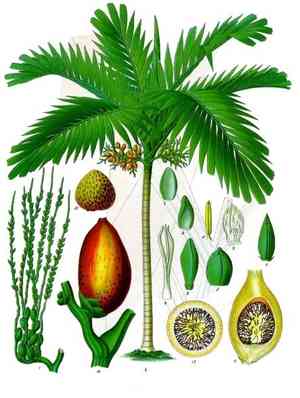
Areca palm(Areca catechu)

Quickly Identify Areca palm

1
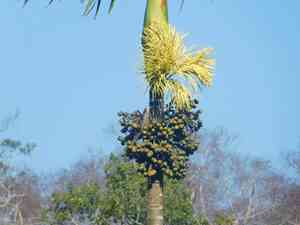
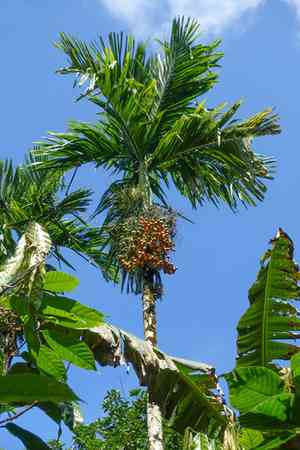
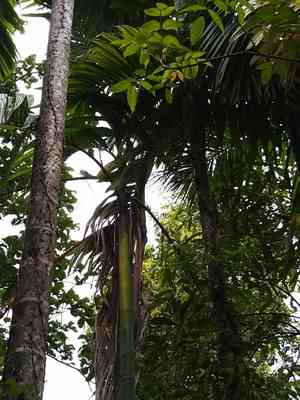
Betel nut palm can be identified by its tall, slender trunk, which is smooth and gray in color, often marked with leaf scars. The leaves are pinnate and feather-like, and the tree produces clusters of bright red or orange fruits that contain the areca nut.

Scientific Classification of Areca palm

Phylum
Vascular plants
Class
Monocotyledons
Order
Palms, bullanocks, and allies
Family
Palm
Genus
Areca
Species
Areca palm

Planting and Growing of Areca palm

Care Difficulty
Easy
Watering Schedule
Every 8 days
Sunlight Requirements
Partial sun
Sunshine Duration
4-8 hours
Ideal Temperature
70-86℉
Soil Type
Potting Mix, Peat Mix
Soil pH
6-8
Fertilizer Type
Balanced
Pruning Season
Spring, Summer
Pruning Area
Branches, Leaves
Pruning Frequency
2 times a year
Repotting Season
Spring
Pot Type
Plastic, Ceramic

water icon How to Water Areca palm?

Water Areca catechu until the soil is moist but not waterlogged, about 500 ml per session. It's crucial to ensure proper drainage to prevent root rot.
What are the symptoms of an underwatered Areca palm?
What should I do if my Areca palm is not getting enough water?
What are the symptoms of an overwatered Areca palm?
How to save an overwatered Areca palm?

sunlight icon What Are the Sunlight Requirements for Areca palm?

Sunlight Requirements: Partial sun, Full sun
Duration of light: 4 to 6 hours
Partial to full sunlight for Areca catechu encourages robust growth, enhances frond color, and ensures overall plant health by supporting active photosynthesis.
Ideal Light Level
Solution for Ideal Lighting
Benefits of Ideal Lighting
More About Sunlight Requirements Techniques

temperature icon What Is the Ideal Temperature Range for Areca palm?

Ideal Temperature: 70 ~ 86℉
For the optimal growth of Areca catechu (betel nut palm), the ideal temperature range is between 70 and 86 degrees Fahrenheit. This range ensures the plant experiences a warm environment similar to its native tropical conditions. In this temperature window, the plant can effectively carry out photosynthesis and maintain healthy growth patterns, leading to robust development and foliage color.

soil icon What Soil is Best for Areca palm?

Soil type: Sandy loam, Loam
Soil PH: 6 ~ 8
Areca catechu requires soil with excellent drainage to avoid root rot. Well-drained soil ensures that excess water does not stagnate, which provides a healthy growing environment. This plant thrives in soil rich in organic matter, which enhances its growth by providing essential nutrients. Organic matter also improves soil structure and moisture retention. The soil should maintain consistent moisture levels without becoming waterlogged. This consistency prevents stress on the plant and ensures steady growth.

fertilize icon How to Fertilize Areca palm?

Fertilizer type: Balanced
Areca catechu benefits from a balanced fertilizer approach. Use a balanced, water-soluble fertilizer with an N-P-K ratio of 20-20-20. During the growing season, apply this at a rate of 1/2 teaspoon per gallon of water. This balance ensures the palm receives adequate nutrients for both lush frond production and strong root growth.

prune icon How to Prune Areca palm?

Pruning Time: Spring, Summer, Autumn
Begin by assessing your Areca Catechu for any brown or yellow fronds, as these are candidates for removal. Healthy, vibrant green fronds should be left intact to ensure continued growth and photosynthesis. Hold your pruning shears in a steady grip and align them against the base of the dead frond. Make a swift, decisive cut to minimize damage. Avoid making jagged cuts as these can lead to diseases entering the plant. After pruning, gently water the plant to help it recover from the stress. Avoid over-watering as the freshly cut areas can be susceptible to rot. Maintain an appropriate level of humidity and place the plant in an area with indirect sunlight for optimal healing. More About Pruning Techniques

propagate icon How to Propagate Areca palm plant?

Propagate Time: Early summer,Summer
1
Before planting, soak Areca catechu seeds in warm water for 24 hours to soften the seed coat. This helps in faster germination by allowing water to penetrate the seed coat more effectively.
2
Fill seed trays with a sterile potting mix and plant the seeds about 1-inch deep. Ensure that they are spaced adequately to prevent overcrowding, which can lead to fungal issues.
3
Place the seed trays in a warm area with indirect sunlight. Maintain a humidity level of around 70-80% by covering the trays with a plastic dome or plastic wrap until germination occurs.
More About Propagating Techniques

repot icon How to Repot Areca palm plant?

Repotting frequency: Every 2-3 years
1
Repotting of Areca catechu is necessary when roots start protruding from the drainage holes, indicating the pot is too small. Additionally, if the plant's growth becomes stunted or it appears root-bound, it's likely time for a new pot. These are clear signals that the plant needs more space to thrive.
2
Select a pot that is one size larger than the current one, with adequate drainage holes. A pot that's too large can lead to excessive soil moisture, posing a risk of root rot, but the right size provides better growth room while maintaining appropriate soil humidity levels.
3
Opt for a well-draining sandy loam to ensure excellent drainage and avoid waterlogging. This type of soil prevents root rot by allowing excess moisture to escape while still retaining enough nutrients for healthy plant growth.

ForwardPlant - Identify plants with a snap

Find the best spots for them to optimize their health, simply using your phone.

Try for Free

Toxicity of Areca palm

Is Areca palm toxic to cat?

The Areca palm carries a moderate risk of toxicity for cats if they consume its seeds. Following ingestion, a cat might display signs of physical distress and illness. Given that the seeds are the harmful part of the plant, it is crucial to ensure these parts are kept away from cats to avert accidental ingestion. Should a cat eat any portion of the Areca palm, it is vital to promptly seek professional help at a veterinary clinic.

Is Areca palm toxic to dog?

The areca palm plant species presents a moderate toxicity risk to dogs, mainly as a result of consuming its seeds. When dogs ingest these seeds, they may exhibit various symptoms that signal poisoning. Pet owners need to stay alert for indications such as vomiting, diarrhea, abdominal discomfort, or potentially more serious reactions depending on the quantity consumed and the dog's individual sensitivity. It is vital that pet owners keep their dogs away from areca palm seeds. Should a dog consume any part of this plant, seeking immediate veterinary assistance is crucial for appropriate care and treatment.

Identify toxic plants for your safety

Learn which plants are harmful to you and your pets, and make informed choices for a safer home!

Try for Free
WARNING
The judgment on toxicity and danger is for reference only. We DO NOT GUARANTEE any accuracy of such judgment. Therefore, you SHALL NOT rely on such judgment. It is IMPORTANT TO SEEK PROFESSIONAL ADVICE in advance when necessary.
More About Toxic Techniques