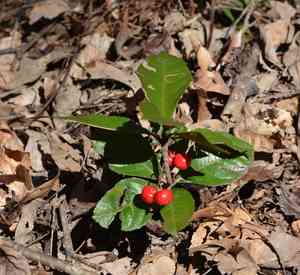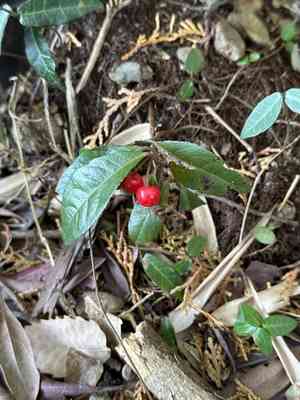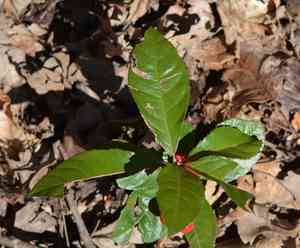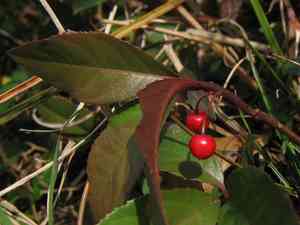
Marlberry(Ardisia japonica)

Marlberry (Ardisia japonica)

Also known as: Marlberry, Japanese Ardisia, Japanese Marlberry

Marlberry, known for its distinctive berries, is highly valued for ornamental purposes, with several cultivars available. In traditional Chinese medicine, it is recognized as one of the 50 fundamental herbs. In Japan, marlberry is prominently used in New Year decorations, often paired with winter jasmine.

However, marlberry has posed ecological challenges in certain regions. In parts of the southeastern United States, particularly Florida, it has escaped cultivation and become invasive, threatening native plant species and disrupting local ecosystems. Effective management and control measures are essential to mitigate its impact in these areas.

Attributes of Marlberry

Lifespan
Perennial
Plant Type
Shrub
Plant Height
20 cm to 40 cm
Spread
80 cm
Leaf Color
Green Brown
Flower Size
4 mm to 1 cm
Flower Color
White Pink

ForwardPlant - Identify plants with a snap

Identify and diagnose plants, get toxicity alerts, and explore safety guides for all types of fungi.

Try for Free

Images of Marlberry

Marlberry(Ardisia japonica)

Quickly Identify Marlberry

1
Low-profile evergreen shrub growing 8-12 inches (20-30 cm) tall.
2
Star-shaped white to pale pink flowers in July-August, 3/8 inch (1 cm) wide.
3
Bright red drupes, 0.25 inches (6.35 mm) wide, lasting throughout winter.
4
Dark green, serrated leaves, 1.5-3 inches (3.8-7.6 cm) long, glossy and leathery.
5
Slender stems, 8-12 inches (20-30 cm) long, smooth when mature, with fine hairs on young stems.

Scientific Classification of Marlberry

Phylum
Vascular plants
Class
Dicotyledons
Order
Heathers and allies
Family
Primrose
Genus
Marlberry
Species
Marlberry

Planting and Growing of Marlberry

Care Difficulty
Easy
Watering Schedule
Every 4 days
Sunlight Requirements
Partial sun
Sunshine Duration
4-8 hours
Ideal Temperature
60-75℉
Soil Type
Potting Mix, Peat Mix
Soil pH
5.5-6.5
Fertilizer Type
Balanced
Pruning Season
Spring, Summer
Pruning Area
Branches, Leaves
Pruning Frequency
2 times a year
Repotting Season
Spring
Pot Type
Plastic, Terracotta

water icon How to Water Marlberry?

Ardisia japonica prefers its soil to be evenly moist, which means watering until the water begins to drain from the bottom of the pot. Ensure the soil does not become soggy, as this can lead to root rot. A balance must be struck between consistent moisture and overwatering.
What are the symptoms of an underwatered Marlberry?
What should I do if my Marlberry is not getting enough water?
What are the symptoms of an overwatered Marlberry?
How to save an overwatered Marlberry?

sunlight icon What Are the Sunlight Requirements for Marlberry?

Sunlight Requirements: Partial sun, Full shade
Duration of light: 2-4 hours of sun
Partial sun, full shade are ideal for Ardisia japonica. This balance helps in promoting healthy growth, vibrant foliage, and the prevention of light-induced stress or damage.
What type of sunlight does Ardisia japonica prefer?
How to provide the ideal lighting conditions for Ardisia japonica?
What are the benefits of optimal lighting for Ardisia japonica?
More About Sunlight Requirements Techniques

temperature icon What Is the Ideal Temperature Range for Marlberry?

Ideal Temperature: 60 ~ 75℉
Ardisia japonica thrives best within an ideal temperature range of 60°F to 75°F. This range provides the optimal balance of warmth without excessive heat, allowing the plant to maintain healthy growth and development. Consistently maintaining this temperature range ensures that the plant's metabolic and photosynthetic activities occur efficiently.

soil icon What Soil is Best for Marlberry?

Soil type: Loam, Sandy loam, Acidic soil
Soil PH: 5.5 ~ 6.5
Ardisia japonica thrives in soil that retains moisture without becoming waterlogged. This is essential for maintaining its lush foliage and promoting healthy root development. Consistent moisture allows the plant to uptake nutrients effectively, leading to vibrant growth. Having soil that drains well is crucial for Ardisia japonica to prevent root rot. Well-draining soils ensure that excess water flows away, keeping the roots healthy and oxygenated. This helps the plant to develop a strong root system and resist various diseases. Fertile soil enriched with organic matter supplies Ardisia japonica with essential nutrients needed for growth. Ensuring the soil is nutrient-rich enhances leaf color and plant vigor, while also improving resilience against pests and environmental stress.

fertilize icon How to Fertilize Marlberry?

Fertilizer type: Balanced
For Ardisia japonica, moderate fertilization is key. Utilize a balanced 10-10-10 liquid fertilizer, applying about 1 tablespoon diluted in 1 gallon of water per plant. This will provide the necessary nutrients without overwhelming the system. For solid, slow-release fertilizers, scatter approximately 2 teaspoons per plant annually to ensure steady nutrient availability.

prune icon How to Prune Marlberry?

Pruning Time: Spring, Summer, Autumn
Begin by removing any yellowing or decaying leaves and stems. This helps prevent the spread of any disease and keeps the plant looking tidy and healthy. If the Ardisia japonica becomes too bushy or uneven, trim overgrown branches to maintain a compact and balanced shape. This encourages denser foliage and a more aesthetically pleasing appearance. Cut back any suckers or new shoots that are emerging from the base of the plant. This directs the energy towards the main plant and promotes healthier growth.

propagate icon How to Propagate Marlberry plant?

Propagate Time: Spring, Early spring
1
Collect ripe berries from mature Ardisia japonica plants. Extract and clean seeds from the berries, ensuring they are free from any pulp or residue. Dry them in a shaded area before sowing.
2
Select healthy stem cuttings about 4-6 inches in length during the early spring. Ensure each has a few leaves and remove the leaves from the lower half of the stem to minimize moisture loss.
3
During early spring, dig up a mature plant with well-developed roots. Gently separate the plant into smaller clumps, making sure each division has roots attached. Replant immediately.
More About Propagating Techniques

repot icon How to Repot Marlberry plant?

Repotting frequency: Every 2-3 years
1
Consider repotting Ardisia japonica during early spring when new growth begins. Signs that it needs repotting include roots growing out of the drainage holes and soil drying out quickly after watering. Repotting at this time ensures minimal stress and maximizes successful acclimatization.
2
Opt for a pot that is 1-2 inches larger in diameter than the current one. Ensure the pot has drainage holes to prevent waterlogging. A slightly larger pot encourages healthy root expansion and prevents root-bound conditions, promoting optimal growth and vitality for your plant.
3
Select a well-draining potting mix comprised of peat, perlite, and organic matter. This mix offers good aeration, allowing healthy root development and efficient water drainage, which are critical for preventing root rot and ensuring lush, verdant foliage.

ForwardPlant - Identify plants with a snap

Find the best spots for them to optimize their health, simply using your phone.

Try for Free

Toxicity of Marlberry

Is Marlberry toxic to humans?

Marlberry presents a moderate toxicity hazard to humans when ingested. Every part of the plant is deemed toxic and can result in poisoning if eaten. In cases of accidental consumption, individuals might suffer from various symptoms, including gastrointestinal issues like nausea, vomiting, and diarrhea. Moreover, more serious reactions can arise, such as breathing difficulties, alterations in heart rate, and neurological symptoms, which may manifest as dizziness or headaches. It is vital to recognize the potential dangers associated with marlberry, particularly in settings where children or pets could encounter the plant, given their heightened vulnerability to unintentional ingestion and poisoning.

Is Marlberry toxic to cat?

Marlberry presents a moderate level of toxicity risk to felines. Exposure generally happens when a cat confuses the plant for food and consumes any portion of it, as every part of the plant is toxic. After ingestion, a cat could suffer from physical distress or exhibit symptoms of illness. Pet owners should keep an eye on their cats for any unusual behaviors or signs of discomfort and should promptly seek veterinary care if they believe their cat has been in contact with marlberry. Timely medical treatment is crucial for the health of impacted cats.

Is Marlberry toxic to dog?

Marlberry presents a moderate toxicity hazard for dogs. These animals may unintentionally eat various parts of the plant, which could result in potential poisoning. Every part of the plant is toxic, implying that consuming any portion can be detrimental. Symptoms of poisoning in dogs can encompass gastrointestinal distress, vomiting, diarrhea, and more severe reactions depending on the quantity consumed. It is essential for pet owners to keep a vigilant eye on their dogs and restrict their access to marlberry. If a dog does ingest marlberry, seeking prompt veterinary assistance is vital to manage the symptoms effectively and safeguard the pet's health and well-being.

Identify toxic plants for your safety

Learn which plants are harmful to you and your pets, and make informed choices for a safer home!

Try for Free
WARNING
The judgment on toxicity and danger is for reference only. We DO NOT GUARANTEE any accuracy of such judgment. Therefore, you SHALL NOT rely on such judgment. It is IMPORTANT TO SEEK PROFESSIONAL ADVICE in advance when necessary.
More About Toxic Techniques