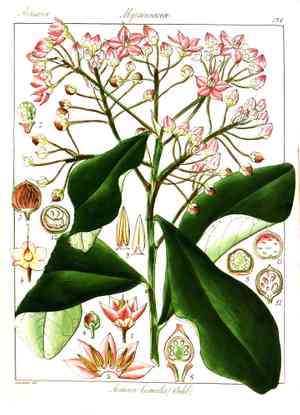
Low shoebutton (Ardisia humilis)
Also known as: Coralberry
Coral ardisia is an evergreen shrub often cultivated for ornamental purposes, though it is sometimes kept as a houseplant. In tropical and subtropical regions, it has the potential to become invasive and problematic. Notably, this plant is classified as invasive in both Florida and Cuba.
In This Article
Attributes of Low shoebutton
Lifespan
Perennial
Plant Type
Shrub
Plant Height
1 to 2 m
Spread
1-2 meters
Leaf Color
Green Red
Flower Size
0.5-1 centimeter
Flower Color
Pink Purple
Images of Low shoebutton
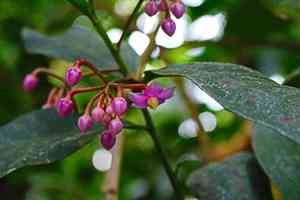
Quickly Identify Low shoebutton
1
Ardisia humilis can be identified by its shiny, dark green leaves which are elliptical in shape with pointed tips. The plant produces small, star-shaped, white or pink flowers followed by bright red berries.
Scientific Classification of Low shoebutton
Phylum
Vascular plants
Class
Dicotyledons
Order
Ericales
Family
Primrose
Genus
Marlberry
Species
Low shoebutton
Planting and Growing of Low shoebutton
Care Difficulty
Easy
Watering Schedule
Every 3 days
Sunlight Requirements
Partial sun
Sunshine Duration
6-10 hours
Ideal Temperature
65-77℉
Soil Type
Potting Mix, Peat Mix
Soil pH
6-7.5
Fertilizer Type
Balanced
Pruning Season
Spring, Summer
Pruning Area
Branches, Leaves
Pruning Frequency
2 times a year
Repotting Season
Spring
Pot Type
Terracotta, Plastic
 How to Water Low shoebutton?
For Ardisia humilis, water until the soil feels moderately moist but not soggy, allowing excess to drain. Aim for 250 ml per session, ensuring moisture reaches the root zone without waterlogging. This ensures roots access sufficient hydration while preventing rot.
What are the symptoms of an underwatered Low shoebutton?
›
What should I do if my Low shoebutton is not getting enough water?
›
What are the symptoms of an overwatered Low shoebutton?
›
How to save an overwatered Low shoebutton?
›
 What Are the Sunlight Requirements for Low shoebutton?
Ardisia humilis flourishes best under partial sun conditions which mimic its natural environment. Ideal light promotes healthy leaf color, balanced growth, and the potential for blooming, reflecting its optimal growth state.
What is the optimal light condition for Ardisia humilis?
›
How can I achieve this ideal light condition?
›
What benefits does ideal lighting provide?
›
 What Is the Ideal Temperature Range for Low shoebutton?
The ideal temperature range for Ardisia humilis growth is between 65°F and 77°F. Maintaining this range ensures optimal photosynthesis and nutrient uptake, contributing to the plant's overall vitality. This environment mimics tropical climates, offering the warmth and humidity the plant requires for robust development.
 What Soil is Best for Low shoebutton?
A key requirement for Ardisia humilis is soil that retains moisture well without becoming waterlogged. This ensures the plant receives a consistent water supply, essential for its lush growth and overall health. The plant thrives in nutrient-rich soil that provides ample organic matter. This enriches the soil with essential minerals, promoting vigorous growth and vibrant foliage. A well-draining soil is crucial to prevent root rot in Ardisia humilis. This requirement ensures excess water can flow freely, preserving the root system and encouraging healthy plant development.
 How to Fertilize Low shoebutton?
For Ardisia humilis, it is crucial to apply fertilizer in moderation. Use one teaspoon of balanced liquid fertilizer diluted in one gallon of water for every application. For solid fertilizers, apply no more than one tablespoon per plant, ensuring it doesn't contact the stem directly.
 How to Prune Low shoebutton?
Start by carefully examining the plant to identify any dead or diseased branches. These should be removed first to prevent the spread of disease and to encourage healthy growth. Trim the plant to maintain its natural shape by cutting back overgrown stems. Make cuts just above a leaf node to encourage bushier growth. This helps the plant maintain a compact and appealing form. Remove branches that are crowded or crossing each other to improve air circulation within the plant. This reduces the risk of fungal infections and ensures all parts of the plant receive adequate light.
 How to Propagate Low shoebutton plant?
1
Gather seeds from mature Ardisia humilis plants in late autumn when the berries have ripened. It is important to clean and dry the seeds thoroughly before sowing to prevent mold growth.
2
Select healthy stems for cuttings, ideally from newer growth. Make a clean cut just below a node using sharp pruners and remove any lower leaves to reduce water loss.
3
Plant the seeds in a prepared seed starting mix, covering them lightly with soil. Maintain consistent moisture by watering gently but avoid waterlogging the soil to prevent rot.
 How to Repot Low shoebutton plant?
1
Signs your Ardisia humilis needs repotting include roots growing out of drainage holes, slow growth, or water not absorbing well. Spring is ideal when the plant is gearing up for its active growth period, allowing it to quickly adapt to the new pot.
2
Select a pot that's 1-2 inches larger in diameter than the current one. Ensure it has drainage holes to prevent waterlogging, which can lead to root rot. A slightly larger pot encourages root growth without overwhelming the plant with excessive soil moisture.
3
A well-draining soil mix is essential. Use a blend of peat, pine bark, and perlite, which offers organic richness while maintaining proper drainage and aeration, crucial for the healthy growth of Ardisia humilis.
Toxicity
Ingestion, Contact with sap
WARNING
The judgment on toxicity and danger is for reference only. We DO NOT GUARANTEE any accuracy of such judgment. Therefore, you SHALL NOT rely on such judgment. It is IMPORTANT TO SEEK PROFESSIONAL ADVICE in advance when necessary.
Learn More About Low shoebutton Diseases
Anthracnose
Bacterial Leaf Spot
Bacterial Soft Rot
Bacterial Wilt
Black Spot
Chemical Injury
Crown Gall
Cyst Nematode
Damping-off
Drought Stress
Fusarium Wilt
Gray Mold
Leaf Spot
Mosaic
Nutrient Deficiency
Nutrient Toxicity
Powdery Mildew
Root Rot
Root-knot Nematode
Sooty Mold
Spider Mites
Temperature Stress
Thrips Damage
White Mold



