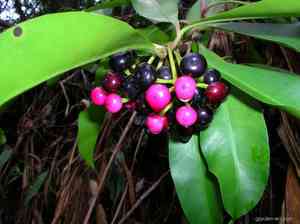
Shoebutton (Ardisia elliptica)
Also known as: Shoebutton Ardisia, Marlberry, Coralberry
Lantana camara is a prevalent shrub originating from India and Southeast Asia. Once favored as an ornamental plant, its rapid growth has turned it into a significant invasive species in tropical regions. Lantana camara produces numerous small fruits that are consumed by mammals and birds, aiding in the widespread dispersal of its seeds.
In This Article
Attributes of Shoebutton
Lifespan
Perennial
Plant Type
Tree, Shrub
Plant Height
2.5 m to 5 m
Spread
2.5 m to 5 m
Leaf Color
Green Red
Flower Size
6 mm to 1.3 cm
Flower Color
White Pink
Images of Shoebutton
Quickly Identify Shoebutton
1
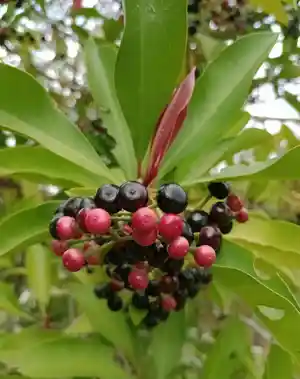
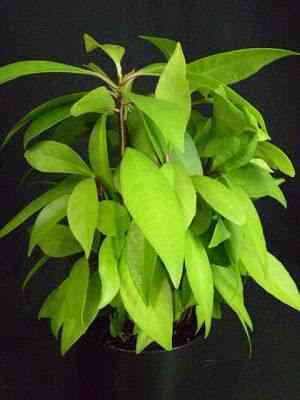
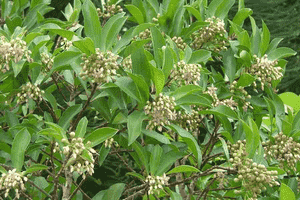
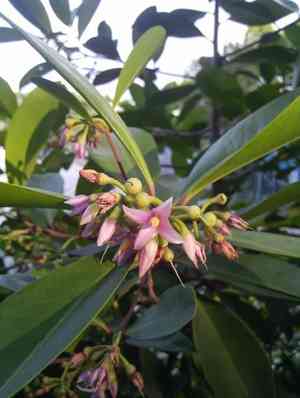
Identify Ardisia elliptica by its elliptic, glossy leaves that are dark green and alternately arranged. Look for clusters of small, pinkish-white flowers and follow by small, black berry-like fruits. The plant often forms dense thickets.
Scientific Classification of Shoebutton
Phylum
Vascular plants
Class
Dicotyledons
Order
Heathers and allies
Family
Primrose
Genus
Marlberry
Species
Shoebutton
Planting and Growing of Shoebutton
Care Difficulty
Easy
Watering Schedule
Every 3 days
Sunlight Requirements
Partial sun
Sunshine Duration
4-6 hours
Ideal Temperature
65-77℉
Soil Type
Potting Mix, Peat Mix
Soil pH
6.5-7.5
Fertilizer Type
Balanced
Pruning Season
Spring, Summer
Pruning Area
Branches, Leaves
Pruning Frequency
2 times a year
Repotting Season
Spring
Pot Type
Terracotta, Plastic
 How to Water Shoebutton?
For Ardisia elliptica, it is important to ensure that the soil is consistently moist but not waterlogged. This means you should aim to provide about 500 ml of water each time, making sure that the top inch of the soil dries out slightly between waterings. This helps replicate the plant's natural tropical environment, where consistent humidity is key.
What are the symptoms of an underwatered Shoebutton?
›
What should I do if my Shoebutton is not getting enough water?
›
What are the symptoms of an overwatered Shoebutton?
›
How to save an overwatered Shoebutton?
›
 What Are the Sunlight Requirements for Shoebutton?
Ardisia elliptica flourishes with access to partial sunlight ranging from 4 to 6 hours daily. Ideal light conditions foster lush foliage and robust blooming, enhancing the plant's visual appeal.
What are the ideal lighting conditions for Ardisia elliptica?
›
How can I ensure ideal lighting for Ardisia elliptica?
›
What benefits does Ardisia elliptica experience under ideal lighting?
›
 What Is the Ideal Temperature Range for Shoebutton?
The ideal temperature range for Ardisia elliptica is between 65°F and 77°F. This range ensures optimal growth and helps in maintaining the plant's health. Temperatures within this range promote effective photosynthesis, nutrient uptake, and overall development.
 What Soil is Best for Shoebutton?
Ardisia elliptica thrives best in well-draining soil that prevents waterlogging. This is crucial for root health, reducing the risk of rot and promoting robust plant growth. A nutrient-rich soil composition supports the lush growth of Ardisia elliptica, providing essential minerals and organic matter for vibrant foliage and vigorous development. While well-draining, the soil should retain adequate moisture without becoming soggy. This balance is key to ensuring the plant remains hydrated but not overwatered.
 How to Fertilize Shoebutton?
For Ardisia elliptica, the application of fertilizer should be moderate to ensure healthy growth. Over-fertilizing can harm the plant, so use a balanced, water-soluble fertilizer at one-quarter strength for liquid feeding, and a slow-release granular fertilizer according to package directions for a more sustained feeding regimen.
 How to Prune Shoebutton?
Before you start pruning, inspect the plant for pest infestations. Pruning can spread pests if tools are not properly sanitized. Ensure to clean your shears with alcohol before and after use. Ardisia elliptica can tolerate light to moderate pruning, but avoid heavy pruning as it can stress the plant and affect its ability to thrive. Make gradual cuts over several sessions rather than all at once.
More About Pruning Techniques→
 How to Propagate Shoebutton plant?
1
Harvest ripe berries and extract seeds from Ardisia elliptica. If using cuttings, choose healthy and disease-free young shoots from the plant for the best chances of successful rooting.
2
Use a sterile, well-draining potting mix such as a mixture of peat and perlite. This encourages good root development and prevents fungal diseases during the early stages of growth.
3
For seeds, maintain soil moisture consistently without waterlogging. Temperature should be kept in a warm range, ideally between 70-75°F, to promote germination and growth.
 How to Repot Shoebutton plant?
1
Ardisia elliptica should be repotted when its roots outgrow the current pot, or when the soil is exhausted and compacted. If you notice water draining too quickly or the plant becoming root-bound, it's time to consider repotting. Choose early spring or summer for the most favorable conditions for root re-establishment.
2
Choose a pot that is one size larger than the current container, with sufficient drainage holes. The larger pot allows roots to expand, improving overall plant health and vigor. Always ensure the pot is clean and free of any old soil residues to prevent disease.
3
Opt for a well-draining potting mix, rich in organic matter. The ideal blend will keep roots aerated and prevent waterlogging, essential for avoiding root rot. Incorporating perlite or sand can enhance drainage, while peat or compost maintains moisture levels and provides nutrients.



