Kings mountain manzanita(Arctostaphylos regismontana)

Kings mountain manzanita (Arctostaphylos regismontana)

Also known as: Montara manzanita

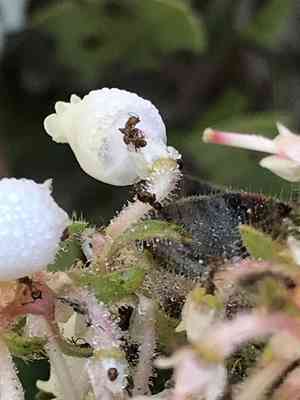
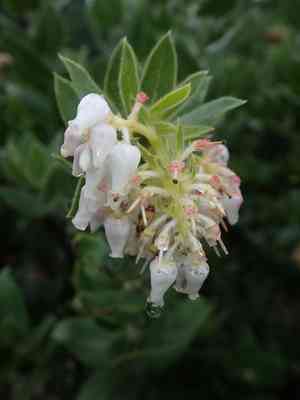
The Kings Mountain manzanita (Arctostaphylos regismontana) is an enduring evergreen shrub native to the Santa Cruz Mountains of California. It features distinct red-barked, gnarled branches and tough, green leaves. In the winter, it blooms with small, urn-shaped flowers that range from white to pink, eventually producing red berries in the summer, which serve as an essential food source for birds and small mammals.

This shrub is particularly well-adapted to rocky, nutrient-deficient soils, where it can flourish despite harsh conditions. Its deep root system not only aids in soil stabilization but also helps the plant survive in fire-prone areas, promoting post-fire ecological recovery. The Kings Mountain manzanita's presence is a marker of robust and diverse chaparral and evergreen forest ecosystems.

Attributes of Kings mountain manzanita

Lifespan
Perennial
Plant Type
Shrub
Plant Height
3-10 feet (0.9-3 meters)
Spread
Up to 10 feet (3 meters)
Leaf Color
Green
Flower Size
0.2-0.4 inches (5-10 mm)
Flower Color
Pink to white

ForwardPlant - Identify plants with a snap

Identify and diagnose plants, get toxicity alerts, and explore safety guides for all types of fungi.

Try for Free

Images of Kings mountain manzanita

Kings mountain manzanita(Arctostaphylos regismontana)

Quickly Identify Kings mountain manzanita

1
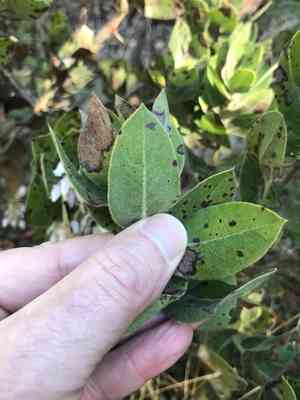
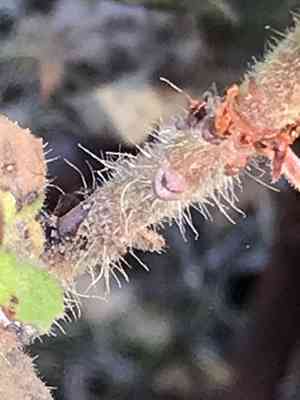
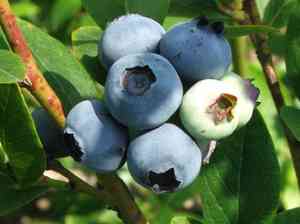
The Montara manzanita can be identified by its distinctive reddish-brown bark that peels in thin strips, smooth green leaves, and small, urn-shaped pink to white flowers. Look for its fruits that are small, round, and reddish-brown.

Scientific Classification of Kings mountain manzanita

Phylum
Vascular plants
Class
Dicotyledons
Order
Ericales
Family
Heath
Genus
Arctostaphylos
Species
Kings mountain manzanita

Planting and Growing of Kings mountain manzanita

Care Difficulty
Moderate
Watering Schedule
Every 2 days
Sunlight Requirements
Full sun
Sunshine Duration
6-10 hours
Ideal Temperature
60-75℉
Soil Type
Potting Mix, Peat Mix
Soil pH
6.5-7.5
Fertilizer Type
Balanced
Pruning Season
Spring, Summer
Pruning Area
Branches, Leaves
Pruning Frequency
2 times a year
Repotting Season
Spring
Pot Type
Plastic, Ceramic

water icon How to Water Kings mountain manzanita?

Arctostaphylos regismontana prefers well-drained soil and should be watered thoroughly but infrequently. The goal is to mimic its natural, intermittent access to water by letting the soil dry out between waterings. Aim for about 500 milliliters of water per session, ensuring the soil is moist but not waterlogged.
What are the symptoms of an underwatered Kings mountain manzanita?
What should I do if my Kings mountain manzanita is not getting enough water?
What are the symptoms of an overwatered Kings mountain manzanita?
How to save an overwatered Kings mountain manzanita?

sunlight icon What Are the Sunlight Requirements for Kings mountain manzanita?

Sunlight Requirements: Full sun, Partial sun
Duration of light: 4 to 6 hours
The optimal light range for Arctostaphylos regismontana is partial to full sun, requiring around 4 to 6 hours of sunlight daily. Providing this range supports healthy photosynthesis, robust growth, and vibrant flowering.
What are the optimal sunlight conditions for Arctostaphylos regismontana?
How can you ensure Arctostaphylos regismontana receives its ideal light levels?
What benefits does Arctostaphylos regismontana gain from ideal light exposure?

temperature icon What Is the Ideal Temperature Range for Kings mountain manzanita?

Ideal Temperature: 60 ~ 75℉
The ideal temperature range for Arctostaphylos regismontana spans from 60°F to 75°F. This range is optimal because it aligns with the plant's natural habitat conditions, ensuring proper growth and metabolic processes. Maintaining this temperature range helps maximize photosynthesis, nutrient uptake, and overall plant health.

soil icon What Soil is Best for Kings mountain manzanita?

Soil type: Sandy loam, Loam
Soil PH: 6.5 ~ 7.5
Arctostaphylos regismontana thrives in well-drained soil, preventing root rot and promoting healthy root growth. Well-drained soils allow air to circulate in the root zone, essential for aerobic respiration. A nutrient-rich soil provides essential nutrients, ensuring robust growth and vibrant foliage. Adequate nutrient supply supports the plant's overall health and resistance to diseases. This plant prefers soil that holds adequate moisture without becoming waterlogged. The right balance of moisture supports consistent growth while preventing dehydration and root diseases.

fertilize icon How to Fertilize Kings mountain manzanita?

Fertilizer type: Balanced
Arctostaphylos regismontana generally prefers a conservative approach to fertilization. For liquid fertilizers, apply at a diluted strength of about 1/4 to 1/2 the recommended dose on the packaging. This ensures that the plant doesn't receive an overwhelming concentration that can harm its roots.

prune icon How to Prune Kings mountain manzanita?

Pruning Time: Spring, Summer
Before you start pruning Arctostaphylos regismontana, examine the plant closely. Look for dead or diseased branches, as well as any crossing or awkwardly angled stems that might affect the overall shape and health of the plant. Begin by removing any dead or diseased branches using clean, sharp pruning shears. Cut at the branch’s base or to a point where it joins a larger, healthy branch. This step helps prevent the spread of disease and improves air circulation. Focus on shaping the canopy by selectively thinning out branches. Remove any that are growing inward or that disrupt the natural flow of the shrub's architecture. Aim to create an open structure that allows sunlight to penetrate through. After pruning, collect any fallen leaves or twigs from around the base of the plant. This tidies the area and reduces habitats for pests. Inspect your work to ensure a balanced shape and that all cuts are clean. More About Pruning Techniques

propagate icon How to Propagate Kings mountain manzanita plant?

Propagate Time: Spring, Early spring
1
Scarify the seeds gently by rubbing them with sandpaper to enhance germination. Soak them in water overnight to further soften the seed coat, simulating natural germination conditions in the wild.
2
Select a healthy branch with no signs of disease. Cut a 3-4 inch section below a node with sterilized pruning shears. Ensure the cutting has a few leaves but no flowers or buds.
3
Dip the cut end of the cutting in rooting hormone to quicken root development. Plant it into a pot filled with a well-draining mix, such as peat and perlite, and maintain high humidity around the cutting.
More About Propagating Techniques

repot icon How to Repot Kings mountain manzanita plant?

Repotting frequency: Every 2-3 years
1
Repot Arctostaphylos regismontana when you notice the roots outgrowing the current container or the soil becomes compacted and loses its drainage efficacy. Ideally, repot during the active growing season when the plant can quickly recover and adapt.
2
Select a pot that is 1-2 inches larger in diameter than the current one to provide ample room for root expansion. Opt for pots with drainage holes, ensuring excess water escapes, preventing root rot. Material-wise, terracotta can aid moisture regulation.
3
Utilize a soil mix specifically designed for ericaceous plants, which ensures an appropriate acidic environment. This type of soil promotes better root health and mimics the plant’s natural habitat, ensuring vigorous growth and vibrant foliage.

ForwardPlant - Identify plants with a snap

Find the best spots for them to optimize their health, simply using your phone.

Try for Free