Pinkbracted manzanita (Arctostaphylos pringlei)
Also known as: Pringle's manzanita
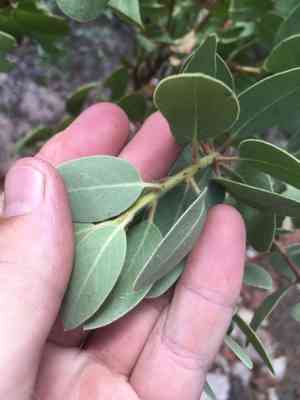
The pinkbracted manzanita (Arctostaphylos pringlei) is a hardy, evergreen shrub well-suited for arid, mountainous regions. It features thick, waxy leaves that minimize water loss and clusters of pinkish-white, bell-shaped flowers that draw pollinators. To cope with dry conditions, it has an extensive root system that taps into deep water reserves. Additionally, its dense foliage offers protection from harsh sunlight.
In This Article
Attributes of Pinkbracted manzanita
Lifespan
Perennial
Plant Type
Shrub
Plant Height
1.8 m to 3.5 m
Spread
1 to 2 meters
Leaf Color
Green
Flower Size
0.5 to 1 cm
Flower Color
White to light pink
Images of Pinkbracted manzanita
Quickly Identify Pinkbracted manzanita
1
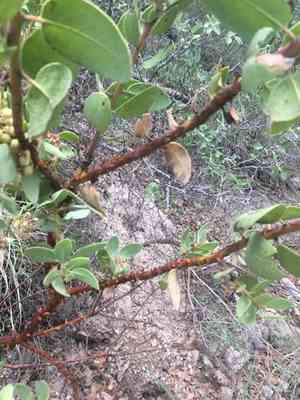
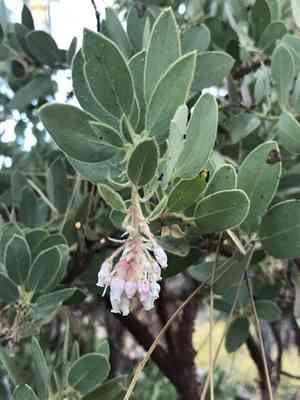
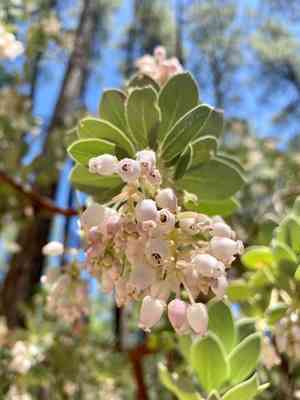
This species can be identified by its reddish-brown bark, small oval leaves, and urn-shaped flowers that are typically white or light pink.
Scientific Classification of Pinkbracted manzanita
Phylum
Vascular plants
Class
Dicotyledons
Order
Ericales
Family
Heath
Genus
Arctostaphylos
Species
Pinkbracted manzanita
Planting and Growing of Pinkbracted manzanita
Care Difficulty
Moderate
Watering Schedule
Every 2 days
Sunlight Requirements
Full sun
Sunshine Duration
6-10 hours
Ideal Temperature
60-75℉
Soil Type
Potting Mix, Peat Mix
Soil pH
6.5-7.5
Fertilizer Type
Balanced
Pruning Season
Spring, Summer
Pruning Area
Branches, Leaves
Pruning Frequency
2 times a year
Repotting Season
Spring
Pot Type
Plastic, Ceramic
 How to Water Pinkbracted manzanita?
When watering Arctostaphylos pringlei, be sure to soak the soil to about 500 milliliters each time. This ensures the roots get enough moisture without sitting in water. The goal is to keep the soil consistently damp, but not waterlogged, allowing the topsoil to dry out slightly before the next watering.
What are the symptoms of an underwatered Pinkbracted manzanita?
›
What should I do if my Pinkbracted manzanita is not getting enough water?
›
What are the symptoms of an overwatered Pinkbracted manzanita?
›
How to save an overwatered Pinkbracted manzanita?
›
 What Are the Sunlight Requirements for Pinkbracted manzanita?
A combination of full sun to partial sun exposure is ideal, offering 6-8 hours of sunlight per day. Such conditions enable vibrant growth and maintain the plant's vigor and aesthetic appearance.
What is the ideal light level for Arctostaphylos pringlei?
›
How can I ensure my plant receives ideal light?
›
What benefits arise from ideal light exposure?
›
 What Is the Ideal Temperature Range for Pinkbracted manzanita?
The ideal temperature range for Arctostaphylos pringlei is between 60°F and 75°F. This range allows for optimal physiological processes, such as photosynthesis and respiration, ensuring healthy growth and successful flowering. Within this range, the plant can efficiently absorb nutrients and maintain moisture, further promoting its overall health and resilience.
 What Soil is Best for Pinkbracted manzanita?
Arctostaphylos pringlei thrives in well-drained soil, which prevents water from pooling around the roots. This minimizes the risk of root rot and supports healthy plant growth. The plant benefits from a nutrient-rich medium which ensures that it gets all the necessary minerals. This supports vigorous growth and enhances its resistance to diseases and pests. Soil with moderate fertility is crucial for this plant as it requires essential nutrients without the risk of over-fertilization, which can lead to lush foliage at the expense of flowers.
 How to Fertilize Pinkbracted manzanita?
Arctostaphylos pringlei requires a balanced fertilizer, applied in small amounts. For liquid fertilizers, use half a teaspoon per gallon of water. For slow-release granules, sprinkle approximately two tablespoons around the root zone. Over-fertilization can harm these plants, so ensure the dosages are light and well-dispersed throughout the growing season.
 How to Prune Pinkbracted manzanita?
Begin by identifying dead, diseased, or damaged branches. These should be removed first as they can affect the plant's health. Look for cross-branches and remove them to open up the canopy. Carefully trim back any uneven or excessively long branches to help maintain a balanced shape. Aim to retain the plant's natural form, and lightly shape the tips to encourage bushier growth. After pruning, water the Arctostaphylos pringlei thoroughly to help it recover. Adding a layer of mulch around the base can help retain moisture and suppress weeds.
More About Pruning Techniques→
 How to Propagate Pinkbracted manzanita plant?
1
Gather mature seeds from the parent plant in autumn when they are most viable. Clean them to remove any fruit or pulp remnants.
2
Select healthy stems and make cuts just below a node. Remove the lower leaves and dip the cut end into a rooting hormone for better results.
3
Bend a low-hanging stem to the ground, bury part of it in soil while leaving the tip exposed. Secure in place until roots develop.
 How to Repot Pinkbracted manzanita plant?
1
Arctostaphylos pringlei shows signs of needing a repotting when its roots start to circle around the pot or poke through the drainage holes. Repotting is also advisable if the plant is not draining well, indicating compacted soil. The best time to repot is during its dormant seasons in spring or autumn when the plant is less stressed.
2
Select a pot that is just one size larger than the current one, preferably made of clay or terracotta. These materials provide better air circulation and prevent waterlogging, which is crucial for Arctostaphylos pringlei as it prefers drier conditions. Ensure the pot has sufficient drainage holes.
3
Opt for a well-draining sandy soil mix that imitates the plant's natural habitat. This can be achieved by combining cactus soil with some perlite and gravel. This mixture avoids water retention and mimics the gritty texture of the Manzanita's native environment, promoting healthy root growth.



