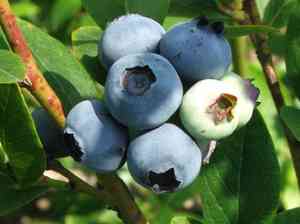
Pinemat manzanita (Arctostaphylos nevadensis)
Also known as: Mojavedesertparsley
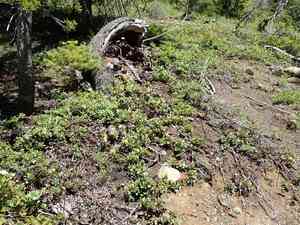
Pinemat manzanita typically thrives in sunny, open areas with dry, sandy, or rocky soils, often at high elevations. It is well-adapted to environments with cold winters. Occasionally, it is intentionally planted on mountain slopes to help prevent soil erosion, thanks to its extensive root system and ground-covering growth, which effectively stabilizes the soil.
In This Article
Attributes of Pinemat manzanita
Lifespan
Perennial
Plant Type
Shrub
Plant Height
15 cm to 51 cm
Spread
1 to 3 meters (3 to 10 feet)
Leaf Color
Dark green
Flower Size
0.6 to 0.8 cm (0.25 to 0.3 inches)
Flower Color
White
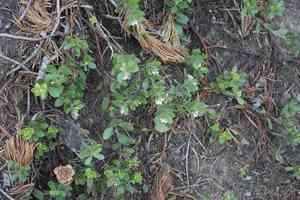
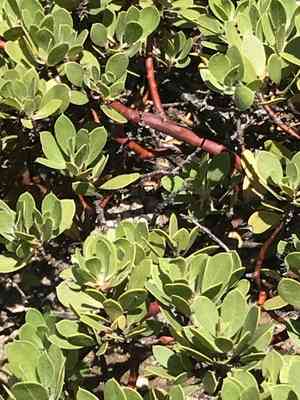
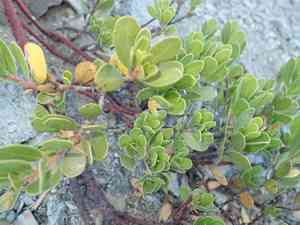
Images of Pinemat manzanita
Quickly Identify Pinemat manzanita
1
To identify Arctostaphylos nevadensis, look for its low, spreading habit, oval to oblong leaves with a glossy dark green upper surface, and lighter undersides. It produces clusters of small, bell-shaped white to pinkish flowers, and its red-brown bark is smooth and can be slightly shreddy at maturity.
Scientific Classification of Pinemat manzanita
Phylum
Vascular plants
Class
Dicotyledons
Order
Ericales
Family
Heath
Genus
Arctostaphylos
Species
Pinemat manzanita
Planting and Growing of Pinemat manzanita
Care Difficulty
Easy
Watering Schedule
Every 2 days
Sunlight Requirements
Full sun
Sunshine Duration
6-10 hours
Ideal Temperature
60-75℉
Soil Type
Potting Mix, Peat Mix
Soil pH
5.5-7.5
Fertilizer Type
Balanced
Pruning Season
Spring, Summer
Pruning Area
Branches, Leaves
Pruning Frequency
2 times a year
Repotting Season
Spring
Pot Type
Plastic, Ceramic
 How to Water Pinemat manzanita?
For Arctostaphylos nevadensis, the watering amount should be enough to thoroughly moisten the soil but not waterlog it. Ensure the top 2 inches of soil are dry before the next watering. This prevents root rot, ensuring the plant absorbs sufficient moisture without excess.
What are the symptoms of an underwatered Pinemat manzanita?
›
What should I do if my Pinemat manzanita is not getting enough water?
›
What are the symptoms of an overwatered Pinemat manzanita?
›
How to save an overwatered Pinemat manzanita?
›
 What Are the Sunlight Requirements for Pinemat manzanita?
Arctostaphylos nevadensis thrives in full to partial sun, receiving 6 to 8 hours of light daily. This exposure supports sturdy growth, enhances natural resilience to drought, and promotes vigorous foliage.
More About Sunlight Requirements Techniques→
What amount of sunlight is ideal for Arctostaphylos nevadensis?
›
How can you ensure Arctostaphylos nevadensis gets its ideal light conditions?
›
What benefits does Arctostaphylos nevadensis gain from optimal light exposure?
›
 What Is the Ideal Temperature Range for Pinemat manzanita?
Arctostaphylos nevadensis thrives best in temperatures ranging between 60°F and 75°F. This range provides the ideal warmth for the plant's metabolic processes, ensuring efficient photosynthesis and nutrient uptake. In these temperatures, the plant can maintain strong vitality and produce vibrant foliage.
 What Soil is Best for Pinemat manzanita?
Arctostaphylos nevadensis thrives in well-drained soil as it prevents root rot. This allows for optimal water percolation, ensuring that the plant receives just the right amount of moisture without waterlogging. This plant prefers soils with low fertility. Rich soils can lead to excessive growth, which may weaken the plant and reduce its stress tolerance. Thus, it grows best in soil conditions similar to its native habitat. A slightly acidic soil pH can enhance nutrient availability for Arctostaphylos nevadensis. This promotes healthy growth and can improve the plant's resistance to certain diseases.
 How to Fertilize Pinemat manzanita?
Arctostaphylos nevadensis is a plant that thrives in nutrient-poor soils, meaning excessive fertilization can be detrimental. It's essential to apply a light hand when fertilizing. Use a low-nitrogen fertilizer at half the recommended strength for most plants. Typically, 1/4 cup per plant is more than enough for solid fertilizers.
 How to Prune Pinemat manzanita?
For pruning Arctostaphylos nevadensis, it's essential to use sharp and clean pruning shears to ensure smooth cuts and prevent disease transmission. Prefer bypass pruners for smaller stems and loppers for thicker branches. Begin by removing any dead or diseased branches. Next, thin out dense areas to improve air circulation, which can help prevent fungal diseases. Be sure to trim back branches that interfere with the plant's natural shape or are growing inwards.
More About Pruning Techniques→
 How to Propagate Pinemat manzanita plant?
1
Select a healthy parent plant without signs of disease. Water the plant the day before taking cuttings to ensure it is well-hydrated and more resilient to stress during the cutting process.
2
Choose non-flowering stems about 10 cm long. Make a clean cut just below a node, and ensure the cutting is free from any visible damage or pest infestation.
3
Dip the cut end of the cutting into rooting hormone powder, shaking off the excess. This will help stimulate root growth and improve the success rate of propagation.
 How to Repot Pinemat manzanita plant?
1
For Arctostaphylos nevadensis, repotting should be considered if roots are visible through drainage holes or if the plant appears stunted. Spring and autumn are ideal seasons, as these periods coincide with active growth, allowing the plant to better acclimate to its new environment.
2
Select a pot that is one size larger than the current one and has adequate drainage holes. This encourages healthy root growth and prevents waterlogging, which is crucial for a plant accustomed to well-draining soil.
3
Opt for a well-draining, acidic soil mix. The mix should mimic the plant's natural habitat, ensuring adequate drainage and aeration while maintaining slight acidity to support nutrient uptake and overall plant health.



