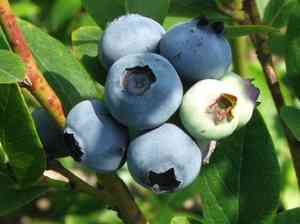
Island manzanita (Arctostaphylos insularis)
Also known as: Island Manzanita
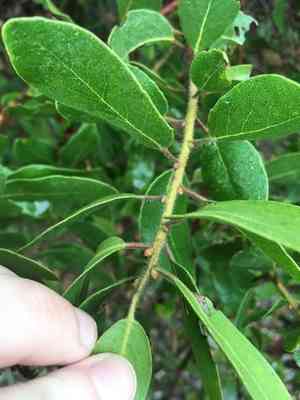
The island manzanita (Arctostaphylos insularis) is an intriguing evergreen shrub indigenous to California's Channel Islands. It features a distinctive architectural shape with gnarled branches and smooth, reddish bark. The shrub produces clusters of white or pink-tinged, bell-shaped flowers that bloom in winter and early spring, drawing in pollinators. Following the flowers, red or brown berries appear, providing sustenance for local fauna. Its dense, waxy, dark green leaves are well-suited to the arid, coastal environment in which it naturally flourishes.
In This Article
Attributes of Island manzanita
Lifespan
Perennial
Plant Type
Shrub
Plant Height
2-4 meters
Spread
1-3 meters
Leaf Color
Green
Flower Size
0.6-1 cm
Flower Color
White or Pink
Images of Island manzanita
Quickly Identify Island manzanita
1
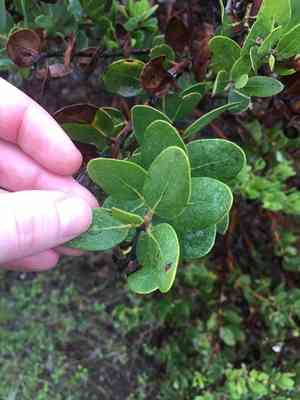
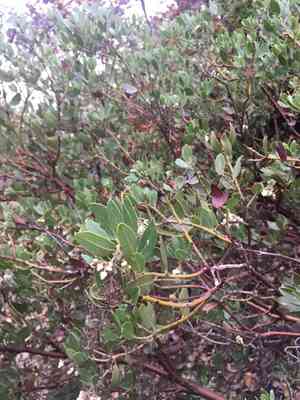
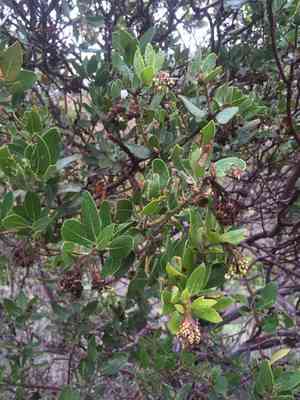
Look for the smooth, reddish bark and the leathery, green leaves. The foliage generally has a distinct sheen. The plant produces small, urn-shaped flowers that are usually white or pink.
Scientific Classification of Island manzanita
Phylum
Vascular plants
Class
Dicotyledons
Order
Ericales
Family
Heath
Genus
Arctostaphylos
Species
Island manzanita
Planting and Growing of Island manzanita
Care Difficulty
Moderate
Watering Schedule
Every 2 days
Sunlight Requirements
Full sun
Sunshine Duration
6-10 hours
Ideal Temperature
65-75℉
Soil Type
Potting Mix, Peat Mix
Soil pH
6.5-7.5
Fertilizer Type
Balanced
Pruning Season
Spring, Summer
Pruning Area
Branches, Leaves
Pruning Frequency
2 times a year
Repotting Season
Spring
Pot Type
Plastic, Ceramic
 How to Water Island manzanita?
Arctostaphylos insularis thrives best when watered moderately. The key is to ensure the soil is moistened deeply without becoming waterlogged. About 500 milliliters per watering session should suffice, allowing the soil to absorb moisture thoroughly while still maintaining good aeration. It's essential to let the top layer of soil dry out between waterings to prevent root rot.
What are the symptoms of an underwatered Island manzanita?
›
What should I do if my Island manzanita is not getting enough water?
›
What are the symptoms of an overwatered Island manzanita?
›
How to save an overwatered Island manzanita?
›
 What Are the Sunlight Requirements for Island manzanita?
Arctostaphylos insularis thrives in full to partial sun environments. Ideal sunlight ensures vibrant growth, increased flowering, and strengthens the plant’s natural defenses.
What is the best lighting condition for Arctostaphylos insularis?
›
How to achieve ideal lighting for this plant?
›
What are the benefits of ideal lighting for Arctostaphylos insularis?
›
 What Is the Ideal Temperature Range for Island manzanita?
Arctostaphylos insularis thrives best in temperatures ranging from 65°F to 75°F. This range provides optimal photosynthesis efficiency and energy use, which enhances plant growth and vigor.
 What Soil is Best for Island manzanita?
Arctostaphylos insularis thrives in well-drained soils, which prevent root rot by ensuring excess moisture quickly percolates away. This requirement ensures healthy root development and minimizes the risk of fungal infections. This plant prefers a soil that is moderate in nutrients, not overly fertile but sufficient to support its growth. A balanced nutrient soil encourages natural hardiness and vibrant foliage without excessive growth that necessitates constant pruning. The plant does best in soils with a pH range of 6.5 to 7.5. This pH range allows for optimal nutrient availability and absorption, promoting overall plant health and vigor.
 How to Fertilize Island manzanita?
For Arctostaphylos insularis, a gentle touch is needed when it comes to fertilization. Use a balanced liquid fertilizer diluted to half-strength, no more than once a month. For slow-release fertilizers, apply a small amount, around half a tablespoon per plant, twice a year. Excessive fertilizer can harm the plant's sensitive roots, so keep doses minimal.
 How to Prune Island manzanita?
Use sharp, clean secateurs or pruning shears to make precise cuts without damaging the plant. Sterilize tools with rubbing alcohol to prevent disease transmission. Begin by removing any dead, damaged, or diseased branches. Then, focus on thinning overcrowded areas to enhance air circulation and light penetration. Make cuts at a slight angle just above a leaf node to promote proper water runoff. This encourages new growth and maintains the natural shape of the plant. After pruning, wipe down your tools again and dispose of pruned material to avoid attracting pests or spreading disease to other parts of the garden.
More About Pruning Techniques→
 How to Propagate Island manzanita plant?
1
Collect ripe berries from Arctostaphylos insularis and extract the seeds. Clean them thoroughly to remove any pulp, as this can promote fungal growth.
2
Select semi-hardwood cuttings during the early summer. Cut sections around 10 cm long, ensuring that there are at least two nodes on each cutting.
3
Sow seeds in a mixture of sand and compost in seed trays. Cover lightly with soil and water gently. Ensure the trays are placed in a sunny location.
 How to Repot Island manzanita plant?
1
Repotting Arctostaphylos insularis should be considered when the roots start to coil within the pot, indicating it's root-bound. Also, observe for stunted growth or water draining too quickly, signaling the need for fresh soil.
2
Select a pot with a diameter 1-2 inches larger than the current one, ensuring it has sufficient drainage holes. This will allow enough room for root expansion and prevent waterlogging, fostering healthier growth.
3
Opt for a well-draining sandy soil mix, mimicking the plant's natural habitat. This mixture ensures excess water drains away, reducing root rot risks and offering the plant's roots optimal aeration conditions for growth.



