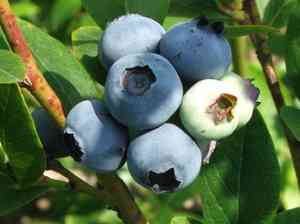
Hairy manzanita (Arctostaphylos columbiana)
Also known as: Tracy's manzanita
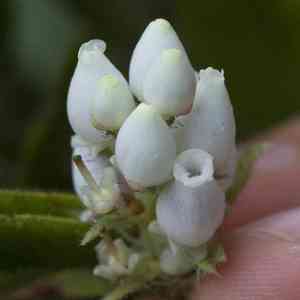
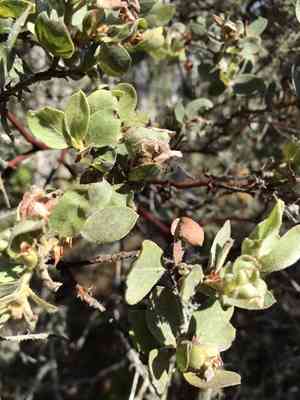
Hairy manzanita (Arctostaphylos columbiana) is an evergreen shrub known for its fuzzy pale green leaves. It produces clusters of pinkish-white, urn-shaped flowers from spring to summer. By summer, the bright red berries ripen, attracting wildlife such as bears and deer.
In This Article
Attributes of Hairy manzanita
Lifespan
Perennial
Plant Type
Tree, Shrub
Plant Height
1 m to 5 m
Spread
1-3 meters
Leaf Color
Green
Flower Size
6 mm
Flower Color
White Pink
Images of Hairy manzanita
Quickly Identify Hairy manzanita
1
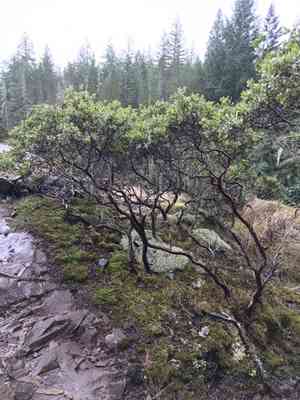
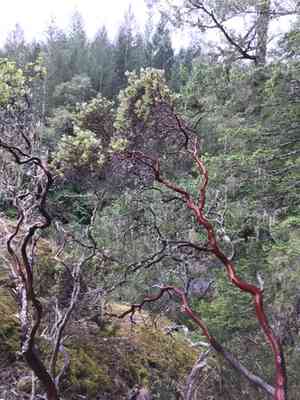
Identify Arctostaphylos columbiana by its hairy stems, evergreen leaves, and pink to white urn-shaped flowers. The bark is smooth and reddish, peeling in thin layers.
Scientific Classification of Hairy manzanita
Phylum
Vascular plants
Class
Dicotyledons
Order
Ericales
Family
Heath
Genus
Arctostaphylos
Species
Hairy manzanita
Planting and Growing of Hairy manzanita
Care Difficulty
Hard
Watering Schedule
Every 4 days
Sunlight Requirements
Partial sun
Sunshine Duration
6-8 hours
Ideal Temperature
40-70℉
Soil Type
Potting Mix, Peat Mix
Soil pH
5.5-7
Fertilizer Type
Balanced
Pruning Season
Spring, Summer
Pruning Area
Branches, Leaves
Pruning Frequency
2 times a year
Repotting Season
Spring
Pot Type
Plastic, Ceramic
 How to Water Hairy manzanita?
Arctostaphylos columbiana, commonly known as the hairy manzanita, thrives in well-drained soil. Each watering session should aim for about 500 ml to ensure the water seeps to the root depth but does not waterlog the soil. Over-watering can lead to root rot, so the soil should always dry out between waterings.
What are the symptoms of an underwatered Hairy manzanita?
›
What should I do if my Hairy manzanita is not getting enough water?
›
What are the symptoms of an overwatered Hairy manzanita?
›
How to save an overwatered Hairy manzanita?
›
 What Are the Sunlight Requirements for Hairy manzanita?
Partial sun exposure supports robust growth, aiding nutrient uptake and photosynthesis while preventing damage from intense sunlight. This balanced light environment is crucial for sustaining vibrant foliage and promoting a healthy lifecycle in Arctostaphylos columbiana.
More About Sunlight Requirements Techniques→
What are the ideal lighting conditions for Arctostaphylos columbiana?
›
How can you achieve ideal lighting for this plant?
›
What are the benefits of providing ideal lighting?
›
 What Is the Ideal Temperature Range for Hairy manzanita?
The ideal temperature range for Arctostaphylos columbiana is between 40°F and 70°F. This range allows the plant to maximize its metabolic processes, promoting healthy growth and development. It ensures optimal enzyme activity, photosynthesis, and nutrient uptake, which are critical for the plant's vigor and productivity.
 What Soil is Best for Hairy manzanita?
Arctostaphylos columbiana thrives in well-drained soil, which helps prevent root rot by ensuring excess water isn't retained around the roots. This condition supports healthier, more vigorous growth. Slightly acidic soil is ideal for Arctostaphylos columbiana as it facilitates the availability of essential nutrients, enhancing the plant's overall vitality and resistance to pests and diseases. This plant prefers soils with low fertility, as nutrient-rich soils can promote excessive growth that's weak and susceptible to environmental stressors. This need makes it suitable for areas with poorer soil quality.
 How to Fertilize Hairy manzanita?
For Arctostaphylos columbiana, using a balanced 10-10-10 NPK fertilizer is recommended. Apply about 1 tablespoon per square foot of soil around the base of the plant for granules. For liquid fertilizer, use 0.5 teaspoons per gallon of water.
 How to Prune Hairy manzanita?
Start pruning Arctostaphylos columbiana by sterilizing your pruners to prevent disease. Trim dead or damaged branches at the base or nearest healthy shoot. Aim to shape the plant naturally without creating a boxy appearance; follow the plant's natural contours. Focus on thinning the shrub rather than reducing its size severely. Remove crossing branches to open the plant's center, which improves air circulation and light penetration. This approach also helps in preventing fungal diseases common in dense, poorly aired foliage.
More About Pruning Techniques→
 How to Propagate Hairy manzanita plant?
1
Begin by choosing a seed tray with good drainage. Fill it with a well-draining mix, commonly comprised of peat and sand or vermiculite, ensuring even distribution. This preparation is critical for preventing waterlogging and ensuring seed germination.
2
Sow seeds on the surface of the prepared soil and lightly cover with additional soil. This ensures the seeds are securely in place while allowing adequate sunlight penetration for germination.
3
Select a healthy branch from the parent plant, making a clean cut with pruners. Strip off the lower leaves and dip the cut end in rooting hormone to encourage root development, which is essential for successful cutting propagation.
 How to Repot Hairy manzanita plant?
1
Arctostaphylos columbiana should be repotted when you notice that the roots are encircling the pot or protruding from drainage holes, indicating the plant is root-bound. Additionally, if you observe stunted growth or poor drainage, it's time to consider a new home for your plant.
2
Select a pot that is just one size larger than the current one to prevent waterlogging and encourage healthy root growth. Ensure it has adequate drainage holes to avoid water accumulation, which can lead to root rot. A ceramic or terracotta pot is ideal as it provides stability and breathability.
3
For Arctostaphylos columbiana, choose an acidic soil mix that supports proper drainage while maintaining moisture. A blend of peat, sand, and perlite not only offers the required acidity but also enhances air circulation around the roots, promoting robust growth.



