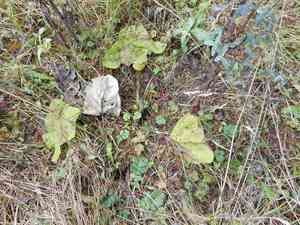
Burdock (Arctium) (Arctium)
Also known as: Burdock, Beggar's Buttons
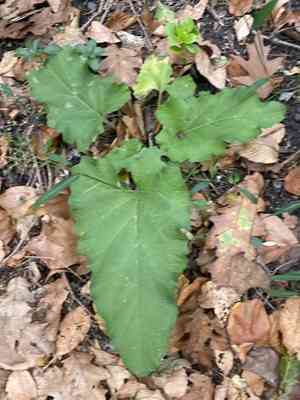
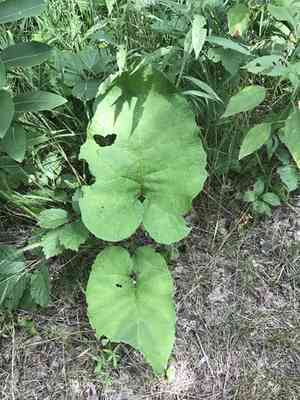
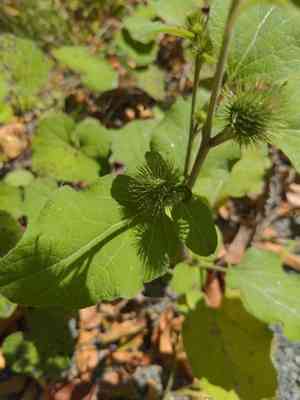
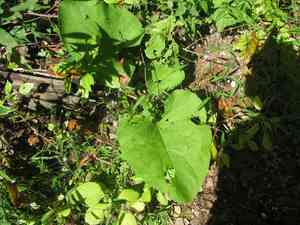
The burdock plant's hooked burrs remarkably inspired the creation of the hook and eye fastener, known as Velcro. These burrs naturally adhere to animal fur and human clothing, aiding in seed dispersal. Burdock plants typically flower in the summer and fall, attracting many pollinators. Their lower leaves are notably heart-shaped with a soft, fluffy underside.
In This Article
Attributes of Burdock (Arctium)
Lifespan
Biennial
Plant Height
1-2 meters
Spread
N/A
Leaf Color
Dark green with a whitish underside
Flower Size
Up to 3 centimeters
Flower Color
Red Purple
Images of Burdock (Arctium)
Quickly Identify Burdock (Arctium)
1
Identifying Arctium involves looking for large, heart-shaped leaves with a white, woolly underside, and the characteristic burrs, which are spiky seed heads that stick to fur and fabric.
Scientific Classification of Burdock (Arctium)
Phylum
Tracheophyta
Class
Magnoliopsida
Order
Asterales
Family
Asteraceae
Genus
Arctium
Planting and Growing of Burdock (Arctium)
Care Difficulty
Easy
Watering Schedule
Every 4 days
Sunlight Requirements
Partial sun
Sunshine Duration
4-8 hours
Ideal Temperature
68-77℉
Soil Type
Potting Mix, Peat Mix
Soil pH
6.5-7.5
Fertilizer Type
Balanced
Pruning Season
Spring, Summer
Pruning Area
Branches, Leaves
Pruning Frequency
2 times a year
Repotting Season
Spring
Pot Type
Plastic, Ceramic
 How to Water Burdock (Arctium)?
For Arctium plants, it is crucial to water them deeply. Ensure the soil is moistened thoroughly, allowing the water to penetrate down to the roots without leaving standing water. This practice helps the roots grow strong and prevents root rot.
What are the symptoms of an underwatered Burdock (Arctium)?
›
What should I do if my Burdock (Arctium) is not getting enough water?
›
What are the symptoms of an overwatered Burdock (Arctium)?
›
How to save an overwatered Burdock (Arctium)?
›
 What Are the Sunlight Requirements for Burdock (Arctium)?
Partial to full sunlight is best, around 6-8 hours daily. This range supports Arctium by sustaining its energy levels for optimal photosynthesis and overall growth.
Where should Arctium be placed for optimal sunlight?
›
How can I ensure Arctium gets enough sunlight indoors?
›
What are the benefits of providing ideal lighting for Arctium?
›
 What Is the Ideal Temperature Range for Burdock (Arctium)?
The ideal temperature range for optimal growth of Arctium lies between 68°F and 77°F. At this range, the plant can perform its metabolic functions efficiently, photosynthesize effectively, and achieve healthy growth and development.
 What Soil is Best for Burdock (Arctium)?
Arctium thrives in nutrient-rich soils. High organic matter content promotes healthy growth, providing the plant with essential nutrients necessary for robust development. Well-drained soil prevents waterlogging, which is crucial for Arctium's root health. Proper drainage ensures roots are oxygenated, preventing root rot and enabling healthy growth. Arctium requires soil that retains adequate moisture without becoming waterlogged. This balance keeps the plant hydrated while promoting root stability and nutrient uptake.
 How to Fertilize Burdock (Arctium)?
Arctium, commonly known as burdock, benefits from a balanced approach to fertilization. During the growth season, use a liquid fertilizer with a nitrogen-phosphorus-potassium (NPK) ratio of 10-10-10, diluting it to half strength. Apply about 1 liter per square meter to ensure the plant receives adequate nutrients without overwhelming its roots. Solid fertilizers should be used sparingly, distributing no more than 100 grams per square meter annually to support sustained growth without overloading the soil.
 How to Prune Burdock (Arctium)?
Begin by assessing the plant for any dead or damaged branches. Identify healthy shoots and remove those that appear wilted or broken. This will help direct nutrients towards thriving sections of the plant. Always use clean, sharp pruning shears to make precise cuts. Clean tools prevent the spread of disease and ensure that cuts heal quickly, reducing stress on the plant. Make your cuts at a 45-degree angle, just above a node or a bud. This prevents water from collecting on the cut surface, reducing the risk of rot while encouraging new growth.
 How to Propagate Burdock (Arctium) plant?
1
Collect mature seeds from the plant and clean them to remove any debris. Dry the seeds thoroughly before sowing to prevent fungal infections and to ensure better germination rates.
2
Fill potting trays with seed-starting mix, then sow the seeds evenly. Cover the seeds with a light layer of soil, water them lightly, and place them in a warm and sunny location with a little shade.
3
Start by digging up the mature plant carefully. Using a sharp knife or spade, divide the root mass into smaller sections ensuring each has roots and shoots. Replant immediately to avoid desiccation.
 How to Repot Burdock (Arctium) plant?
1
Arctium plants show signs that it's time to repot when you notice roots emerging from the drainage holes or a stunted growth pattern indicating restricted root development. Repotting during spring or autumn ensures the plant is in an active growth phase, which aids in a quicker recovery and adaptation to the new pot.
2
Select a pot that is one size larger than the current one, ensuring adequate space for growth without overwhelming the plant. The pot should have drainage holes to prevent waterlogging, which can lead to root rot. Picking a pot made from breathable materials like terracotta can help maintain a healthy moisture balance.
3
Opt for a well-draining loamy soil mix that allows for both moisture retention and adequate aeration. This reduces the risk of overwatering while still keeping the roots hydrated. Loamy soil is nutrient-rich, promoting healthy growth and helping the plant establish itself in the new container.
Learn More About Burdock (Arctium) Diseases
Anthracnose
Bacterial Leaf Spot
Bacterial Soft Rot
Bacterial Wilt
Crown Gall
Cyst Nematode
Damping-off
Downy Mildew
Drought Stress
Fusarium Wilt
Gray Mold
Leaf Spot
Mosaic
Nutrient Deficiency
Nutrient Toxicity
Powdery Mildew
Root Rot
Root-knot Nematode
Rusts
Sooty Mold
Spider Mites
Temperature Stress
Thrips Damage
White Mold

