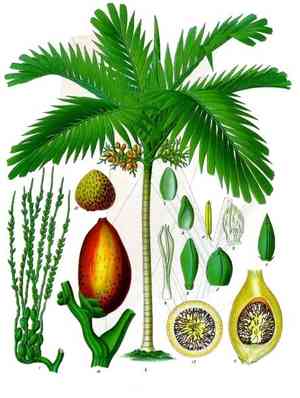
Archontophoenix (Archontophoenix) (Archontophoenix)
Also known as: King Palm, Alexander Palm
Lilly Pilly (Syzygium species) are evergreen trees and shrubs native to Australia. These plants, found across various regions of the country, bear red or pink fruit. They are highly valued by commercial gardeners for ornamental horticulture due to their attractive foliage, vibrant flowers, and edible berries. Lilly Pillys are commonly used in hedges, as topiary, and as striking standalone features in gardens.
In This Article
Attributes of Archontophoenix (Archontophoenix)
Lifespan
Perennial
Plant Height
15 m
Spread
8 m
Leaf Color
Green
Flower Size
Small, 0.5 to 1 cm
Flower Color
White to cream
Images of Archontophoenix (Archontophoenix)


Quickly Identify Archontophoenix (Archontophoenix)
1
Archontophoenix can be identified by their single, slender trunk, often ringed with leaf scars. The pinnate leaves are long and arching. The crownshaft is smooth and green, and the inflorescence consists of small, white to cream flowers.
Scientific Classification of Archontophoenix (Archontophoenix)
Phylum
Magnoliophyta
Class
Liliopsida
Order
Arecales
Family
Arecaceae
Genus
Archontophoenix
Planting and Growing of Archontophoenix (Archontophoenix)
Care Difficulty
Moderate
Watering Schedule
Every 3 days
Sunlight Requirements
Full sun
Sunshine Duration
4-8 hours
Ideal Temperature
65-77℉
Soil Type
Potting Mix, Peat Mix
Soil pH
6.5-7.5
Fertilizer Type
Balanced
Pruning Season
Spring, Summer
Pruning Area
Branches, Leaves
Pruning Frequency
2 times a year
Repotting Season
Spring
Pot Type
Plastic, Ceramic
 How to Water Archontophoenix (Archontophoenix)?
Archontophoenix prefers a consistent level of moisture. Each watering session should deeply soak the soil. Aim for approximately 1000 milliliters per session, ensuring that water reaches the roots. The key is to maintain moisture without waterlogging, allowing excess water to drain out.
What are the symptoms of an underwatered Archontophoenix (Archontophoenix)?
›
What should I do if my Archontophoenix (Archontophoenix) is not getting enough water?
›
What are the symptoms of an overwatered Archontophoenix (Archontophoenix)?
›
How to save an overwatered Archontophoenix (Archontophoenix)?
›
 What Are the Sunlight Requirements for Archontophoenix (Archontophoenix)?
Archontophoenix thrives best in partial to full sun with filtered shade during hottest periods. This balance encourages healthy leaf coloration and robust growth without risk of scorch.
Optimal Positioning
›
Managing Sun Exposure
›
Balancing Sun and Shade
›
 What Is the Ideal Temperature Range for Archontophoenix (Archontophoenix)?
The ideal temperature range for Archontophoenix to thrive is between 65°F and 77°F. This range ensures that the plant can photosynthesize effectively and maintain its metabolic processes. Temperatures within this range promote healthy leaf growth and overall plant vitality, making it crucial to maintain these conditions consistently for optimal growth.
 What Soil is Best for Archontophoenix (Archontophoenix)?
Archontophoenix thrives in nutrient-rich soils that provide ample minerals for growth. This ensures robust development and more lush foliage, enhancing its tropical appeal. Good drainage is crucial for Archontophoenix to prevent root rot. Well-draining soil helps excess water escape easily, keeping the roots healthy. High soil porosity allows air circulation around the roots, which is vital for Archontophoenix to prevent any fungal diseases caused by excess moisture.
 How to Fertilize Archontophoenix (Archontophoenix)?
When fertilizing Archontophoenix, it's important to use a balanced fertilizer. Typically, use a 10-10-10 NPK formula. For liquid fertilizer, apply around 1 tablespoon per gallon of water. Ensure the soil absorbs the nutrients without saturation. Always follow the instructions on your fertilizer of choice to avoid overfeeding.
 How to Prune Archontophoenix (Archontophoenix)?
Begin by assessing the palm for dead or brown fronds, as these should be prioritized for removal. Use sterilized pruning shears to cut close to the trunk, maintaining the natural aesthetic of the palm. Trim off yellowing fronds carefully, but avoid taking off healthy, green fronds as they are crucial for the plant’s energy production. When pruning, ensure to wear protective gloves and goggles to safeguard yourself from sharp frond edges. Always use clean, sharp tools to make neat cuts, which helps in faster wound healing. Disinfect the tools before and after use to prevent disease spread.
 How to Propagate Archontophoenix (Archontophoenix) plant?
1
Begin by soaking the Archontophoenix seeds in warm water for 24 to 48 hours. This step softens the seed coat and helps speed up the germination process by allowing moisture to penetrate the seed more effectively.
2
Fill seed trays with a well-draining mix, such as a combination of peat moss and perlite. Press the soaked seeds lightly into the mix, covering them slightly with soil. Ensure that the medium remains consistently moist but not waterlogged.
3
Place the seed trays in a warm, bright location, ideally with a temperature between 75-85°F (24-29°C). Use a heat mat if necessary to maintain consistent warmth, as Archontophoenix seeds germinate best in a stable temperate environment.
 How to Repot Archontophoenix (Archontophoenix) plant?
1
It's time to repot your Archontophoenix when you notice roots protruding from the drainage holes or if growth becomes stagnant. The plant may show signs of stress like yellowing leaves. Spring and early summer are ideal because the plant's growth is active during these seasons, allowing for quicker adjustment.
2
Select a pot that's one size larger than the current one to give roots space to grow. Ensure it has good drainage holes to prevent waterlogging, which can lead to root rot. A slightly deeper pot helps accommodate the palm's root system.
3
Opt for a well-draining potting mix, ideally formulated for palms. This soil type prevents excess moisture retention, reducing the risk of root rot, and provides essential nutrients tailored to palm species.

