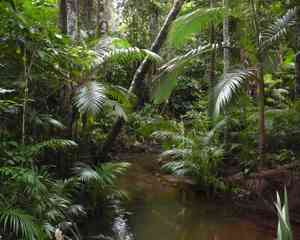
Alexandra Palm (Archontophoenix alexandrae)
Also known as: Northern Bangalow Palm
The Alexandra Palm, thriving in rainforests, is notable for its ability to endure heavy rainfall, contributing to its status as a dominant species in such environments. Its adaptability to various soil conditions and resilience in both sunny and shaded areas further bolster its prevalence. Additionally, the palm's tall, slender structure allows it to access ample sunlight, reducing competition. Found in regions like Australia and parts of the U.S. such as Florida and Hawaii, it is also favored as an ornamental plant due to its elegant, feather-like dark green leaves.
In This Article
Attributes of Alexandra Palm
Lifespan
Perennial
Plant Type
Tree
Plant Height
12 m to 18 m
Spread
3 m to 5 m
Leaf Color
Green Silver Gray
Flower Size
2.5 cm
Flower Color
Cream White Yellow
Images of Alexandra Palm


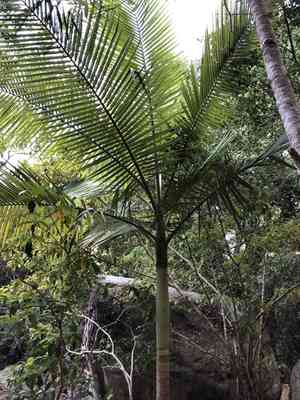
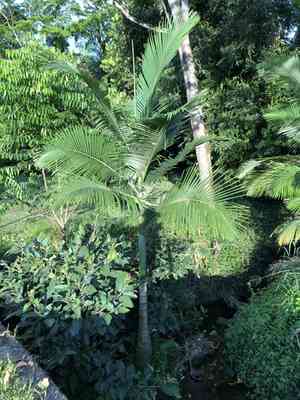
Quickly Identify Alexandra Palm
1
Look for a tall, slender palm with a smooth, grey-green trunk marked by closely spaced rings. The leaves are feather-like, with dark green leaflets arranged on either side of a central stem. The plant produces small, white to pale purple flowers followed by bright red, oval fruits.
Scientific Classification of Alexandra Palm
Phylum
Vascular plants
Class
Monocotyledons
Order
Arecales
Family
Palm
Genus
Archontophoenix
Species
Alexandra Palm
Planting and Growing of Alexandra Palm
Care Difficulty
Easy
Watering Schedule
Every 6 days
Sunlight Requirements
Full sun
Sunshine Duration
4-6 hours
Ideal Temperature
68-86℉
Soil Type
Potting Mix, Peat Mix
Soil pH
6.5-7.5
Fertilizer Type
Balanced
Pruning Season
Spring, Summer
Pruning Area
Branches, Leaves
Pruning Frequency
2 times a year
Repotting Season
Spring
Pot Type
Plastic, Ceramic
 How to Water Alexandra Palm?
When watering Archontophoenix alexandrae, it's crucial to maintain a balance. Aim to moisten the soil till it’s damp about halfway down the pot. Use approximately 500 ml of water, ensuring the soil is evenly moist but not waterlogged. This helps maintain healthy root growth and fosters optimal plant development.
What are the symptoms of an underwatered Alexandra Palm?
›
What should I do if my Alexandra Palm is not getting enough water?
›
What are the symptoms of an overwatered Alexandra Palm?
›
How to save an overwatered Alexandra Palm?
›
 What Are the Sunlight Requirements for Alexandra Palm?
Archontophoenix alexandrae flourishes in full to partial sun environments. This balance promotes lush growth, aids in proper nutrient absorption, and enhances its natural beauty.
More About Sunlight Requirements Techniques→
What type of sunlight is best?
›
Can this plant handle partial sun?
›
How to adjust lighting conditions indoors?
›
 What Is the Ideal Temperature Range for Alexandra Palm?
Archontophoenix alexandrae thrives in warm climates, favoring temperatures between 68°F and 86°F. This range mimics its natural habitat, promoting healthy growth and foliage. Maintaining this temperature ensures optimal metabolic rates, aiding photosynthesis and nutrient uptake.
 What Soil is Best for Alexandra Palm?
Archontophoenix alexandrae thrives in soil that retains moisture well yet drains effectively. Ensuring a balance prevents root rot while keeping the palm hydrated, promoting healthy growth and vibrant foliage. A nutrient-rich soil supports the robust growth of Archontophoenix alexandrae. The presence of organic matter and essential minerals will enhance leaf color and overall vitality, ensuring the plant reaches its full ornamental potential. Good aeration in the soil allows roots to breathe and promotes efficient nutrient uptake. For Archontophoenix alexandrae, this translates into enhanced resistance to disease and more vigorous growth, contributing to a lush canopy.
 How to Fertilize Alexandra Palm?
The Archontophoenix alexandrae, also known as the King Palm, benefits from a balanced fertilizer application. For liquid fertilizers, use a mixture that is diluted to half strength to avoid root burn. Typically, 250 ml per plant per application is sufficient. For solid, slow-release fertilizers, apply about 50 grams per square meter annually.
 How to Prune Alexandra Palm?
Ensure that you have the right tools on hand, such as sharp pruning shears or a pruning saw for thicker fronds. It's also good to have protective gloves to prevent injury from sharp fronds. Before cutting, inspect the tree to locate dead, diseased, or damaged fronds. These are typically brown or yellow in color and can rob nutrients from healthier parts of the palm. When removing fronds, cut as close to the base as possible without damaging the trunk. This helps maintain the tree's aesthetic and reduces the chance of infection. After pruning, it’s important to properly dispose of all removed fronds as they can harbor pests or diseases that could harm other plants.
More About Pruning Techniques→
 How to Propagate Alexandra Palm plant?
1
Collect ripe seeds from Archontophoenix alexandrae when the fruit is fully mature. The seeds should be cleaned to remove any pulp residue before planting. This ensures better germination rates and prevents mold development during propagation.
2
Before planting, soak Archontophoenix alexandrae seeds in warm water for 24 hours. This helps soften the seed coat, which enhances water uptake and speeds up germination. Ensure the water is consistently warm to maximize effectiveness.
3
Sow the soaked seeds in seed trays filled with a well-draining potting mix. Ensure the seeds are spaced adequately to avoid overcrowding, which can hamper growth and increase disease risk. Cover the seeds lightly with soil and water gently.
 How to Repot Alexandra Palm plant?
1
Archontophoenix alexandrae signals its need for repotting when roots protrude from drainage holes or the growth rate slows notably. These indicators suggest the plant has outgrown its current pot, requiring more space to thrive.
2
Choosing the right pot involves selecting one size larger than the current pot with ample drainage holes. A slightly bigger pot prevents waterlogging, promoting healthier root development by ensuring adequate aeration and nutrient absorption.
3
Opt for a rich, well-draining soil mix, ideally with peat, perlite, and compost. This composite provides essential nutrients and retains the right moisture level without becoming soggy, crucial for preventing root rot while supporting robust growth.



