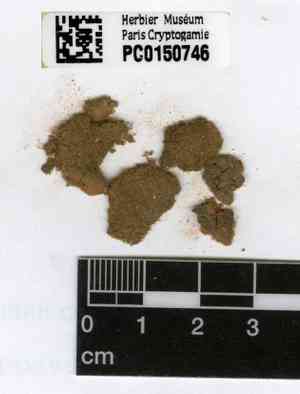
Ohio archidium moss (Archidium ohioense)
Also known as: Ohio moss, Ohio Archidium
Ohio archidium moss thrives in moist, shaded areas, often found near streams or wetlands. It anchors tightly to the soil with its fine, thread-like structures. This moss, with its tiny leaves and sporophytes, is adapted to microhabitats with limited sunlight and varying moisture levels throughout the seasons.
In This Article
Attributes of Ohio archidium moss
Lifespan
Perennial
Plant Type
Moss
Plant Height
Usually less than 1 cm
Spread
Not applicable as it forms mats or cushions
Leaf Color
Green
Flower Size
Not applicable as mosses do not produce flowers
Flower Color
Not applicable
Images of Ohio archidium moss

Quickly Identify Ohio archidium moss
1
Identifying Archidium ohioense involves looking for small, leafy shoots that form dense cushions or tufts. The leaves are small, lanceolate, and have a smooth, unbordered edge. The presence of sporophytes, which bear capsules containing spores, can also be a distinguishing feature.
Scientific Classification of Ohio archidium moss
Phylum
Mosses
Class
True mosses
Order
Archidiales
Family
Archidiaceae
Genus
Archidium moss
Species
Ohio archidium moss
Planting and Growing of Ohio archidium moss
Care Difficulty
Hard
Watering Schedule
Every 2 days
Sunlight Requirements
Partial sun
Sunshine Duration
4-8 hours
Ideal Temperature
60-75℉
Soil Type
Potting Mix, Peat Mix
Soil pH
6.5-7.5
Fertilizer Type
Balanced
Pruning Season
Spring, Summer
Pruning Area
Branches, Leaves
Pruning Frequency
2 times a year
Repotting Season
Spring
Pot Type
Terracotta, Plastic
 How to Water Ohio archidium moss?
The amount of water for Archidium ohioense should be just enough to keep the moss damp but not saturated. Watering too much can lead to root rot, while too little can cause the moss to dry out. A rule of thumb is to provide around 50 ml each session, ensuring even moisture distribution across the soil or substrate.
What are the symptoms of an underwatered Ohio archidium moss?
›
What should I do if my Ohio archidium moss is not getting enough water?
›
What are the symptoms of an overwatered Ohio archidium moss?
›
How to save an overwatered Ohio archidium moss?
›
 What Are the Sunlight Requirements for Ohio archidium moss?
Archidium ohioense does best with partial sun, ideally in an environment mimicking a forest floor with dappled sunlight. Optimal light conditions promote vibrant leaf coloration and robust growth, mirroring its natural habitat's light exposure.
What is the ideal light level for Archidium ohioense?
›
What solutions can provide ideal light?
›
What are the benefits of ideal lighting?
›
 What Is the Ideal Temperature Range for Ohio archidium moss?
For Archidium ohioense, maintaining an ambient temperature range between 60°F and 75°F is considered ideal. This range supports optimal photosynthesis and growth, ensuring the plant develops its cellular structures efficiently. Staying within this range will help maintain the plant's vigor and resilience against stress factors.
 What Soil is Best for Ohio archidium moss?
Archidium ohioense thrives best in well-draining soil, allowing excess water to escape and preventing root rot. This kind of soil helps prevent waterlogging, which could otherwise harm the plant. This moss prefers soils with a moderate nutritional profile. Such conditions promote healthy growth without overwhelming the plant with excess nutrients that it can't process, ensuring steady development. Maintaining moisture in the soil is crucial, but it should never be soggy. This balance is vital for encouraging lush growth, as the plant obtains the necessary hydration without drowning its roots.
 How to Fertilize Ohio archidium moss?
For Archidium ohioense, a balanced fertilizer is best used sparingly, as this species grows naturally in nutrient-poor environments. Use low-strength solutions, diluted to about 1/4 of the recommended concentration, to prevent any potential root burn.
 How to Prune Ohio archidium moss?
Before pruning Archidium ohioense, visually inspect the plant to identify any dead or damaged portions. These should be the first to be removed to redirect energy toward healthier parts of the plant. Use sterilized, sharp scissors or small garden shears for pruning. This ensures clean cuts, which help prevent infection or unnecessary stress to the plant. Dull tools can crush rather than cut, which can damage plant tissues.
 How to Propagate Ohio archidium moss plant?
1
Choose a mature, healthy plant that shows vigorous growth and has a well-developed root system. Avoid plants that exhibit signs of disease or pest infestation.
2
Using a sterilized garden trowel, carefully dig up the plant, ensuring the entire root mass is lifted. Gently shake off excess soil around the roots to get a clear view of possible division points.
3
With sterilized shears, divide the root mass into sections, ensuring each section has viable roots and shoots. Replant each section promptly in prepared soil at the same depth it was originally growing.
 How to Repot Ohio archidium moss plant?
1
Signs that Archidium ohioense needs repotting include roots growing out of drainage holes, slow growth, or water sitting on the surface after watering. Choose to repot during its active growing seasons for best results.
2
Select a pot that's slightly larger than the current one, with good drainage holes. Using a correctly sized pot prevents overwatering and root rot, ensuring healthy growth and root expansion.
3
Opt for a well-draining, sandy loam soil rich in organic matter. This type of soil prevents waterlogging and supports the moss in retaining the necessary moisture and nutrients.

