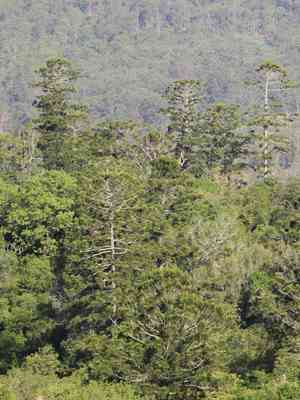
Hoop Pine (Araucaria cunninghamii)
Also known as: Queensland Pine, Moreton Bay Pine
The Hoop Pine (Araucaria cunninghamii) is a tree found in the dry rainforests of New South Wales, New Guinea, and Queensland. Also known as Queensland pine and colonial pine, it is commonly utilized for timber and furniture production.
In This Article
Attributes of Hoop Pine
Lifespan
Perennial
Plant Type
Tree
Plant Height
60 m to 70 m
Spread
6 m
Leaf Color
Green
Flower Size
Not applicable, conifers do not have traditional flowers.
Flower Color
Green
Images of Hoop Pine
Quickly Identify Hoop Pine
1
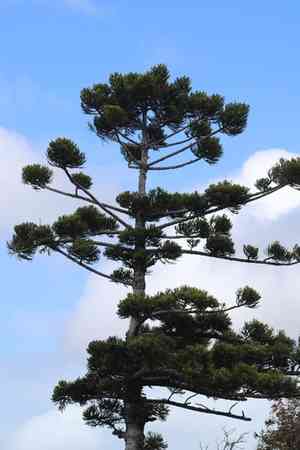
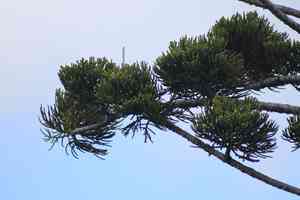
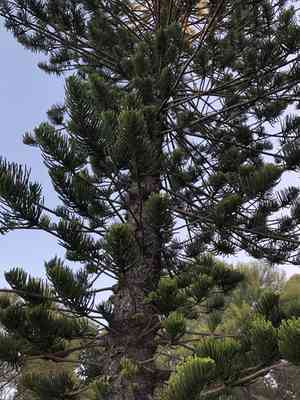
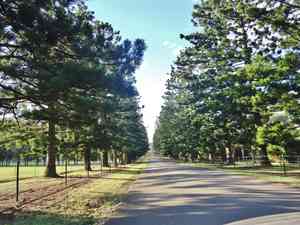
Hoop Pine can be identified by its tall, straight trunk, and dense, dark green foliage. The bark is often gray and deeply fissured. The leaves are narrow, linear, and arranged in a spiral pattern around the branches.
Scientific Classification of Hoop Pine
Phylum
Vascular plants
Class
Conifers
Order
Pines and allies
Family
Araucaria
Genus
Araucaria
Species
Hoop Pine
Planting and Growing of Hoop Pine
Care Difficulty
Moderate
Watering Schedule
Every 2 days
Sunlight Requirements
Full sun
Sunshine Duration
4-6 hours
Ideal Temperature
60-80℉
Soil Type
Potting Mix, Peat Mix
Soil pH
5.5-7.5
Fertilizer Type
Balanced
Pruning Season
Spring, Summer
Pruning Area
Branches, Leaves
Pruning Frequency
2 times a year
Repotting Season
Spring
Pot Type
Plastic, Ceramic
 How to Water Hoop Pine?
Araucaria cunninghamii appreciates a moderate watering regime. Water it thoroughly until water runs out of the drainage holes, usually around 500 ml for a mature potted plant, ensuring the soil is evenly moist but not waterlogged.
What are the symptoms of an underwatered Hoop Pine?
›
What should I do if my Hoop Pine is not getting enough water?
›
What are the symptoms of an overwatered Hoop Pine?
›
How to save an overwatered Hoop Pine?
›
 What Are the Sunlight Requirements for Hoop Pine?
The ideal light range for Araucaria cunninghamii is full to partial sun, comprising 6 to 8 hours of sunlight daily. This exposure maximizes photosynthesis, giving it lush, dense foliage and a healthy appearance, fostering strong and resilient growth, particularly in well-drained, nutrient-rich soils.
More About Sunlight Requirements Techniques→
What is the recommended sunlight exposure?
›
How to ensure this plant gets the ideal light?
›
What are the benefits of ideal lighting?
›
 What Is the Ideal Temperature Range for Hoop Pine?
The ideal temperature range for the growth of Araucaria cunninghamii is between 60-80°F. This ensures that the plant can carry out its metabolic processes efficiently and maintain optimal growth and health. Temperatures within this range provide a stable environment for cellular activities, photosynthesis, and nutrient uptake, making it crucial to maintain these conditions consistently.
 What Soil is Best for Hoop Pine?
Araucaria cunninghamii thrives in well-drained soil, which prevents waterlogging and root rot. This condition ensures the roots receive adequate oxygen, promoting healthy growth and a robust root system. A nutrient-rich substrate is essential for Araucaria cunninghamii, providing necessary minerals and nutrients. This supports the plant’s overall health, enhancing foliage color and increasing resistance to pests and diseases. Soil with moderate moisture retention is beneficial for Araucaria cunninghamii, maintaining a consistent dampness without becoming waterlogged. This balance aids in proper hydration, fostering vigorous growth and strong structural development.
 How to Fertilize Hoop Pine?
For Araucaria cunninghamii, moderate feeding is best. Use a balanced liquid fertilizer diluted to half-strength, applying about 100-150 ml per application per plant. For solid fertilizers, use approximately 30 grams per application, making sure not to sprinkle too close to the trunk to prevent burning the roots.
 How to Prune Hoop Pine?
Ensure you have sharp pruning shears and a pruning saw. Clean the tools with rubbing alcohol to prevent the spread of diseases. Depending on the tree's size, you might also need a ladder or a cherry picker. Look for dead, diseased, or damaged branches first. These should be your priority as removing them will prevent pests and diseases from spreading further into the tree. Start from the bottom of the tree and work your way up. Cut branches at a 45-degree angle, just above a growth point or a leaf node. Avoid cutting the central leader of the tree as this can affect its overall growth and structural integrity.
More About Pruning Techniques→
 How to Propagate Hoop Pine plant?
1
Collect mature seeds from cones during early spring. It's essential to ensure the seeds are dry and free from any fungal infections before sowing them in seed trays filled with a well-draining soil mix.
2
Select healthy, semi-hardwood cuttings from the parent plant. Use sterilized pruning shears to make a 4 to 6-inch cut just below a node. Remove any lower leaves to reduce water loss during rooting.
3
Place the prepared cuttings in a tray filled with a rooting medium. A mix of peat and sand is ideal. Ensure the cuttings are kept upright and lightly water them. Maintain humidity by covering with a plastic dome.
 How to Repot Hoop Pine plant?
1
Observable growth limitations like root-bound conditions are clear indicators that it's time to repot Araucaria cunninghamii. You might notice roots poking out of the drainage holes or the soil drying out much faster than usual.
2
Opt for a pot that's slightly larger, approximately 2 inches in diameter larger than the current one, and has good drainage holes. This provides room for root growth, while preventing waterlogging, crucial for the plant's health.
3
A rich, well-draining soil mix is ideal to ensure the Araucaria cunninghamii avoids waterlogged conditions while providing adequate nutrients. Including perlite or sand can improve aeration and drainage.



