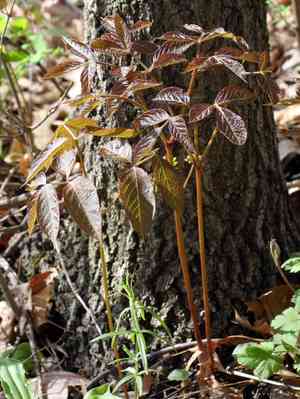
Wild sarsaparilla (Aralia nudicaulis)
Also known as: Shot bush, Wild liquorice
Wild sarsaparilla (Aralia nudicaulis) typically thrives in deciduous and mixed woodlands. It prefers shaded or semi-shaded environments with moist, well-drained soil. It produces small, greenish-white flowers that mature into dark berries by summer. Pollination is often aided by bees.
In This Article
Attributes of Wild sarsaparilla
Lifespan
Perennial
Plant Type
Herb
Plant Height
30 cm to 60 cm
Spread
30 cm
Leaf Color
Green Yellow Red Bronze
Flower Size
4 cm to 5 cm
Flower Color
White Green Yellow Brown
Images of Wild sarsaparilla
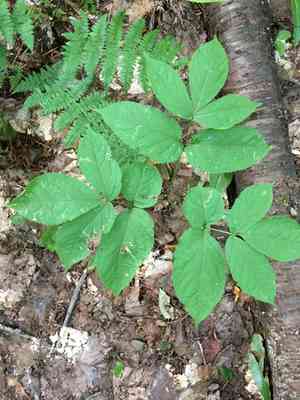
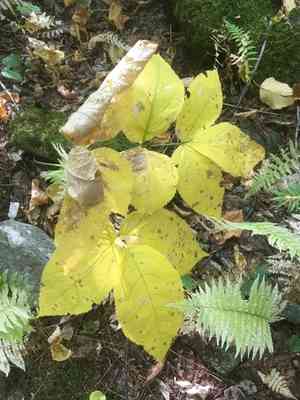
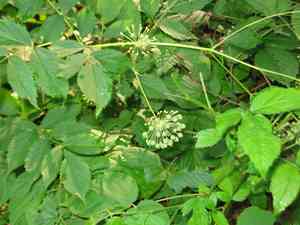
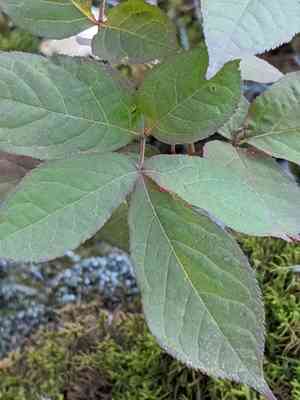
Quickly Identify Wild sarsaparilla
1
Aralia nudicaulis can be identified by its compound leaves that are divided into three leaflet groups and its small white to greenish flowers that bloom in late spring. The plant often forms colonies from underground rhizomes.
Scientific Classification of Wild sarsaparilla
Phylum
Vascular plants
Class
Dicotyledons
Order
Apiales
Family
Ivy
Genus
Spikenards
Species
Wild sarsaparilla
Planting and Growing of Wild sarsaparilla
Care Difficulty
Easy
Watering Schedule
Every 2 days
Sunlight Requirements
Partial sun
Sunshine Duration
4-8 hours
Ideal Temperature
60-75℉
Soil Type
Potting Mix, Peat Mix
Soil pH
4.5-6.5
Fertilizer Type
Balanced
Pruning Season
Spring, Summer
Pruning Area
Branches, Leaves
Pruning Frequency
2 times a year
Repotting Season
Spring
Pot Type
Plastic, Ceramic
 How to Water Wild sarsaparilla?
When watering Aralia nudicaulis, aim for around 250 milliliters each session. The goal is to keep the soil consistently moist but not waterlogged. A good way to ensure proper watering is to allow the top inch of soil to dry out between waterings, then water thoroughly until you see a small amount of runoff from the bottom of the pot.
What are the symptoms of an underwatered Wild sarsaparilla?
›
What should I do if my Wild sarsaparilla is not getting enough water?
›
What are the symptoms of an overwatered Wild sarsaparilla?
›
How to save an overwatered Wild sarsaparilla?
›
 What Are the Sunlight Requirements for Wild sarsaparilla?
Ideal light range involves partial sun exposure. With 3 to 5 hours of sun, ideally in the morning or late afternoon, Aralia nudicaulis can capitalize on optimal growth, showcasing lush foliage and vibrant health while avoiding stress and damage from harsh, direct midday rays.
What is the best type of light for Aralia nudicaulis?
›
How to achieve the ideal light conditions for Aralia nudicaulis?
›
What are the benefits of ideal lighting conditions for Aralia nudicaulis?
›
 What Is the Ideal Temperature Range for Wild sarsaparilla?
The ideal temperature range for cultivating Aralia nudicaulis is between 60°F and 75°F. Within this range, the plant can efficiently carry out photosynthesis, promoting healthy growth and vitality. It's essential to maintain this temperature range since extremes can lead to stress, impacting the plant's overall health and ability to thrive.
 What Soil is Best for Wild sarsaparilla?
Aralia nudicaulis prefers soil that retains moisture well without becoming waterlogged. This ensures the plant gets adequate hydration, especially during dry periods, and supports its natural habitat conditions. The plant thrives in soil rich in organic matter, which provides essential nutrients necessary for growth and development. Incorporating compost or well-rotted manure can significantly enhance soil fertility. Ensuring the soil has good drainage prevents root rot and other fungal issues. This requirement mimics the plant's natural environment, allowing it to flourish by avoiding excess water accumulation around the roots.
 How to Fertilize Wild sarsaparilla?
Aralia nudicaulis, commonly known as wild sarsaparilla, does not require heavy fertilization. When applying fertilizers, a light hand is key. For liquid fertilizers, use a balanced mix at a dilute strength of about 1/4 the recommended dose. Slow-release fertilizers should be used sparingly—only a few granules per square foot are necessary.
 How to Prune Wild sarsaparilla?
Begin by identifying and removing any dead, damaged, or diseased stems. This not only prevents the spread of disease but also encourages healthier growth. Make your cuts at the base of the stem to minimize harm. Trim overgrown areas to maintain the plant's natural shape and prevent overcrowding, which can lead to poor air circulation and increased pest issues. Focus on cutting back to the nearest node to encourage new growth. Prune the center of the plant lightly to allow more light and air to reach the inner stems. This helps in minimizing the risk of fungal infections and keeps the plant looking full and vibrant.
 How to Propagate Wild sarsaparilla plant?
1
Before sowing, soak seeds in water for 24 hours to soften the seed coat and enhance germination rates. Ensure the water is at room temperature to avoid shocking the seeds.
2
Place seeds in seed trays filled with a mixture of peat and sand. Cover them lightly with soil and keep the tray in a warm, bright location. Water gently to avoid displacing the seeds.
3
In early spring, carefully dig up the plant and separate the rhizomes. Ensure each division has at least one growth bud. Replant these divisions immediately to promote quick establishment.
 How to Repot Wild sarsaparilla plant?
1
For Aralia nudicaulis, a sign that it needs repotting is when the roots start to emerge from the drainage holes of the pot. As spring brings new growth, this is the perfect time to refresh its environment and encourage healthy expansion.
2
Select a pot that is one size larger than the current one, ensuring it has proper drainage holes. A slightly larger pot encourages better root development, while efficient drainage prevents root rot and retains ideal soil moisture.
3
Choose a well-draining potting soil mix that retains moisture but doesn't allow waterlogging. This soil structure provides the perfect balance of hydration and aeration, ensuring Aralia nudicaulis thrives with healthy roots.
Learn More About Wild sarsaparilla Diseases
Anthracnose
Bacterial Leaf Spot
Crown Gall
Cyst Nematode
Damping-off
Downy Mildew
Fusarium Wilt
Gray Mold
Leaf Spot
Mosaic
Powdery Mildew
Root Rot
Root-knot Nematode
Rusts
Sooty Mold
White Mold
Chemical Injury
Drought Stress
Nutrient Deficiency
Nutrient Toxicity
Spider Mites
Temperature Stress
Thrips Damage



