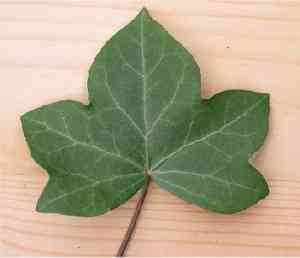
Bristly Sarsaparilla (Aralia hispida)
Also known as: Dwarf Elder, Wild Elder
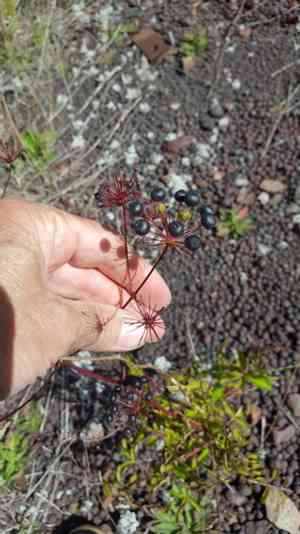
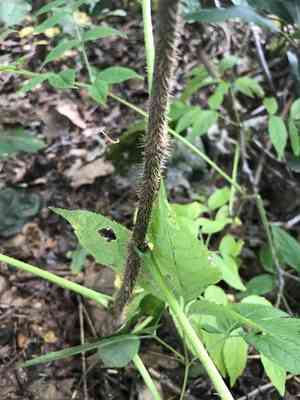
The shrub you're describing is Bristly Sarsaparilla (Aralia hispida), a perennial member of the ginseng family. It has robust stems covered in sharp bristles and produces delicate white flowers in mid-summer. Following the blooming period, it bears purplish-black fruit, which is not edible despite its resemblance to blueberries.
In This Article
Attributes of Bristly Sarsaparilla
Lifespan
Perennial
Plant Type
Herb, Shrub
Plant Height
30 cm to 91 cm
Spread
Not specified, usually small as it is a herbaceous plant
Leaf Color
Green
Flower Size
2.5 cm
Flower Color
White Yellow Green
Images of Bristly Sarsaparilla
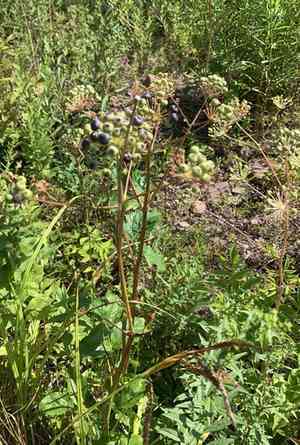
Quickly Identify Bristly Sarsaparilla
1
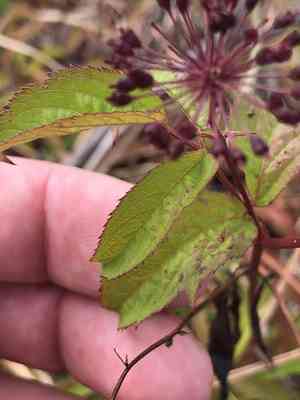
Look for bristly stems and compound leaves that are finely divided into smaller leaflets. The plant often has white to greenish flowers arranged in umbels.
Scientific Classification of Bristly Sarsaparilla
Phylum
Vascular plants
Class
Dicotyledons
Order
Apiales
Family
Ivy
Genus
Spikenards
Species
Bristly Sarsaparilla
Planting and Growing of Bristly Sarsaparilla
Care Difficulty
Easy
Watering Schedule
Every 2 days
Sunlight Requirements
Partial sun
Sunshine Duration
6-10 hours
Ideal Temperature
60-70℉
Soil Type
Potting Mix, Peat Mix
Soil pH
5-6.5
Fertilizer Type
Balanced
Pruning Season
Spring, Summer
Pruning Area
Branches, Leaves
Pruning Frequency
2 times a year
Repotting Season
Spring
Pot Type
Plastic, Ceramic
 How to Water Bristly Sarsaparilla?
For Aralia hispida, it is essential to water about 250 milliliters each time. This plant thrives best when its soil remains slightly moist but not to the point of being waterlogged. Ensure water flows through the soil evenly, and the excess is able to drain out from the bottom.
What are the symptoms of an underwatered Bristly Sarsaparilla?
›
What should I do if my Bristly Sarsaparilla is not getting enough water?
›
What are the symptoms of an overwatered Bristly Sarsaparilla?
›
How to save an overwatered Bristly Sarsaparilla?
›
 What Are the Sunlight Requirements for Bristly Sarsaparilla?
Aralia hispida benefits from partial sun to full shade, providing a balanced environment for robust growth. Optimal light conditions enhance photosynthesis efficiency, preserving the plant's aesthetics and promoting strong health.
More About Sunlight Requirements Techniques→
How much light is ideal for Aralia hispida?
›
How can I achieve ideal lighting for Aralia hispida?
›
What are the benefits of ideal lighting for Aralia hispida?
›
 What Is the Ideal Temperature Range for Bristly Sarsaparilla?
The preferred temperature range for Aralia hispida growth is between 60°F and 70°F. This range ensures optimal growth and vitality as it mimics its natural habitat, ensuring balanced metabolic functions and avoiding thermal stress.
 What Soil is Best for Bristly Sarsaparilla?
Aralia hispida thrives in well-draining soils that prevent waterlogging, which could lead to root rot. The sandy and loamy textures provide excellent drainage to keep the roots healthy and oxygenated. While Aralia hispida doesn't require highly fertile soil, moderate fertility with some organic matter boosts growth. The presence of nutrients helps maintain its lush foliage and supports overall plant vigour. Adequate but not excessive moisture retention in the soil is crucial. Loamy soil is excellent because it retains enough moisture for the plant's needs without drowning the roots, ensuring steady growth.
 How to Fertilize Bristly Sarsaparilla?
When fertilizing Aralia hispida, the amount should be moderate. Use a diluted solution of liquid fertilizer with a concentration of about half of what is recommended for general plants to avoid overwhelming the roots. For solid fertilizers, under no circumstances should the amount exceed the recommended dosage on the packaging as these plants prefer a more subtle approach to nutrients.
 How to Prune Bristly Sarsaparilla?
Optimum times for pruning Aralia hispida are during its active growing seasons - spring and summer. Pruning during these periods supports robust recovery and new growth, harnessing the plant's vitality. Avoid excessive pruning in a single session; too much removal can stress the plant. Focus on shaping, removing only about a third of the plant's overall volume at once to maintain health and vigor. Pruning in late autumn or winter can hamper the plant's natural dormancy process. It can lead to reduced cold hardiness, increasing susceptibility to winter stress and damage.
 How to Propagate Bristly Sarsaparilla plant?
1
Start by collecting ripe seeds from the Aralia hispida plant. Sow them in a seed tray filled with a well-draining soil mix. Cover the seeds lightly with soil and maintain soil moisture by misting regularly.
2
Select healthy and disease-free stem sections about 4-6 inches in length for cuttings. Use pruning shears to cut just below a node. Remove any leaves from the lower half and dip the end in rooting hormone before planting.
3
For division propagation, remove the plant from its container during its dormant season. Carefully separate the root ball into sections, ensuring each section has both roots and shoots. Replant the divisions in fresh soil.
 How to Repot Bristly Sarsaparilla plant?
1
A signal that your Aralia hispida needs repotting is when you notice that its roots are circling the pot inside or coming out from the drainage holes. This indicates that the plant has outgrown its current home and needs more space to continue thriving. Ideally, this process should be considered during snow-free seasons, as new growth will kick in and adapt better.
2
Select a pot that is 1 to 2 inches larger in diameter than the current pot. This slight increase prevents overwhelming the plant with too much soil and space, which can lead to water retention and root rot. Additionally, ensure your new pot has proper drainage holes to avoid waterlogging, thereby safeguarding against potential root decay.
3
A well-draining, loamy soil mix is perfect for Aralia hispida. This type of soil provides the right balance of retention and aeration, preventing water from accumulating around the roots. A mix containing equal parts peat, pine bark, and perlite caters to this plant’s requirements and promotes healthy growth by providing essential nutrients.
Learn More About Bristly Sarsaparilla Diseases
Anthracnose
Bacterial Leaf Spot
Bacterial Soft Rot
Crown Gall
Damping-off
Downy Mildew
Drought Stress
Fusarium Wilt
Gray Mold
Leaf Spot
Mosaic
Nutrient Deficiency
Nutrient Toxicity
Powdery Mildew
Root Rot
Root-knot Nematode
Rusts
Sooty Mold
Spider Mites
Temperature Stress
Thrips Damage
White Mold
Chemical Injury



