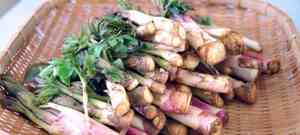
Spikenard (Aralia cordata)
Also known as: Udo, Mountain asparagus
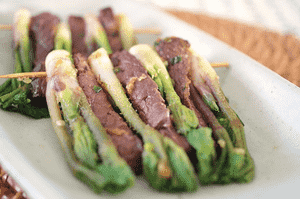
The plant in question is **Aralia cordata**, often referred to as **mountain asparagus**. This herbaceous perennial is typically found in forested regions. In Japan, its tender young shoots are prized as a culinary delicacy, and the young leaves are also used as vegetables. Notably, the plant's bright golden leaves appear around mid-spring.
In This Article
Attributes of Spikenard
Lifespan
Perennial
Plant Type
Herb
Plant Height
1.2 m
Spread
1.2 m
Leaf Color
Green Yellow Gold
Flower Size
5 to 10 cm
Flower Color
White Green
Images of Spikenard
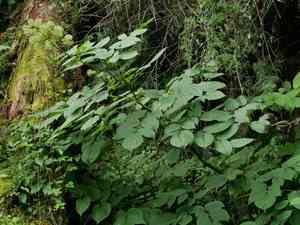
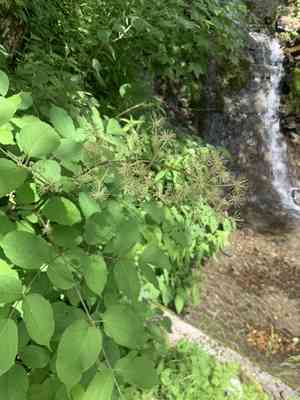
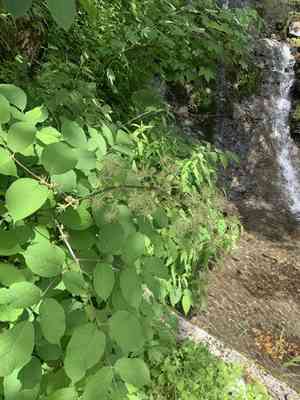
Quickly Identify Spikenard
1
Aralia cordata can be identified by its large, compound leaves that are widely divided into smaller leaflets, and its tall, arching stems. The plant also produces small, white to greenish flowers in large umbrella-shaped clusters.
Scientific Classification of Spikenard
Phylum
Vascular plants
Class
Dicotyledons
Order
Carrots, ivies and allies
Family
Ivy
Genus
Spikenards
Species
Spikenard
Planting and Growing of Spikenard
Care Difficulty
Easy
Watering Schedule
Every 4 days
Sunlight Requirements
Partial sun
Sunshine Duration
4-8 hours
Ideal Temperature
65-75℉
Soil Type
Potting Mix, Peat Mix
Soil pH
6.5-7.5
Fertilizer Type
Balanced
Pruning Season
Spring, Summer
Pruning Area
Branches, Leaves
Pruning Frequency
2 times a year
Repotting Season
Spring
Pot Type
Plastic, Ceramic
 How to Water Spikenard?
Aralia cordata, commonly known as Udo, prefers a well-drained soil and consistent moisture. Typically, each watering session requires about 500ml, ensuring that the soil remains moist without becoming waterlogged. This amount provides the necessary hydration while promoting healthy root growth and avoiding root rot.
What are the symptoms of an underwatered Spikenard?
›
What should I do if my Spikenard is not getting enough water?
›
What are the symptoms of an overwatered Spikenard?
›
How to save an overwatered Spikenard?
›
 What Are the Sunlight Requirements for Spikenard?
Ideal conditions for Aralia cordata are partial sun. This setup ensures balanced growth and prevents common issues like leaf burn or yellowing, enhancing its aesthetic appeal and overall vitality.
More About Sunlight Requirements Techniques→
How much light does Aralia cordata need?
›
What happens if Aralia cordata gets too much direct sunlight?
›
What are the benefits of providing the ideal light conditions?
›
 What Is the Ideal Temperature Range for Spikenard?
The ideal temperature range for cultivating Aralia cordata is between 65°F to 75°F. This range supports optimal growth and helps maintain the plant's structural integrity and leaf vibrancy. Aralia cordata thrives in these warm conditions because it is native to temperate Asian regions. Keeping the plant within this temperature bracket ensures effective metabolic activity, proper nutrient uptake, and healthy foliage proliferation.
 What Soil is Best for Spikenard?
Aralia cordata thrives in nutrient-rich soil that provides all the essential elements for robust growth. A loamy soil enriched with organic matter will offer the right balance of nutrients, helping the plant to maintain healthy foliage and resist diseases. This plant prefers well-draining soil to prevent water accumulation which could lead to root rot. Proper drainage ensures that the roots receive ample oxygen, promoting vigorous growth and preventing fungal infections. Maintaining slightly moist soil is crucial for Aralia cordata, as it mimics its natural habitat. Consistent moisture levels support its lush growth, but care must be taken to avoid over-watering that might lead to root damage.
 How to Fertilize Spikenard?
For Aralia cordata, it's crucial to not over-fertilize as it thrives in balanced conditions. Use a balanced liquid fertilizer at half strength every two weeks during the growing season. Ensure that it is well-diluted to avoid root burn.
 How to Prune Spikenard?
Begin by sterilizing your pruning shears with alcohol to prevent disease spread. Identify and cut away any dead or damaged branches at their base. Trim branches growing inward to open up the plant and promote more sunlight penetration, enhancing its growth.
More About Pruning Techniques→
 How to Propagate Spikenard plant?
1
Begin by collecting seeds from mature Aralia cordata plants in late summer or early autumn. Sow them in trays filled with moist, well-draining soil. Place the trays in a warm, bright location, but avoid direct sunlight. Keep the soil consistently moist until germination occurs.
2
Select healthy branches and use gardening shears to cut sections around 4-6 inches long. Remove the lower leaves and dip the cut end in rooting hormone. Plant the cuttings in pots filled with a mixture of peat and perlite, ensuring that the nodes are buried.
3
During early spring, carefully lift an established Aralia cordata from the ground. Use a sharp tool to divide the root ball into sections, each with several shoots and roots. Replant each division with well-watered soil to encourage quick establishment.
 How to Repot Spikenard plant?
1
Repotting Aralia cordata should ideally be done when you notice roots coming through the drainage holes or the plant becoming top-heavy. Spring and autumn are the best seasons as the plant is either coming out of dormancy or preparing for it. These periods allow the plant to recover and acclimate with less stress.
2
Select a pot that is just one to two inches larger in diameter than the current pot. This prevents overwatering by allowing the roots sufficient space to grow without excess soil that retains water. Ensure the pot has good drainage to prevent root rot, which is crucial for the plant's health.
3
A well-draining potting mix with a good balance of organic material and mineral grit is ideal for Aralia cordata. This type of soil maintains just the right amount of moisture while efficiently draining excess water, promoting root health and preventing waterlogged conditions that can lead to rot.



