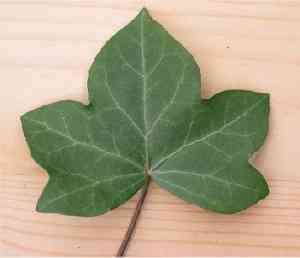
Chinese angelica tree (Aralia chinensis)
Also known as: Chinese Angelica Tree, Chinese Aralia
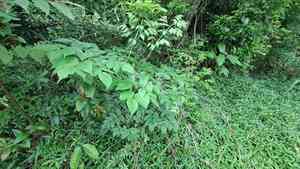
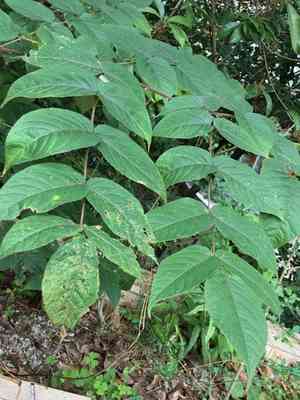
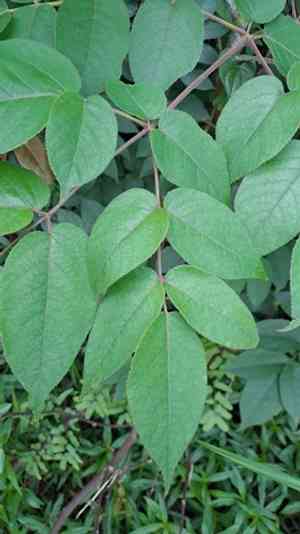
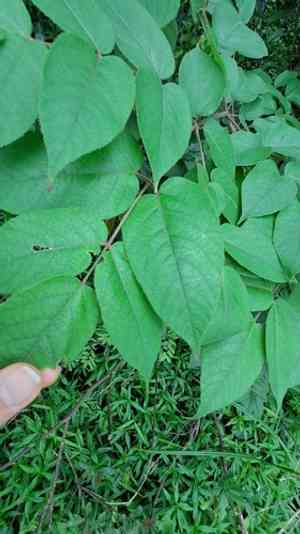
The Chinese angelica tree (Aralia elata) is a deciduous shrub or small tree known for its large, compound leaves with pointed leaflets and an airy, open canopy. It produces clusters of tiny white or greenish flowers during the summer, which later turn into small, black or purple, berry-like fruits. This tree thrives in moist, well-drained soils and is ideal for woodland gardens, where its height and foliage add textural variety. For optimal growth, it prefers fertile soil and a location with partial to full sunlight.
In This Article
Attributes of Chinese angelica tree
Lifespan
Perennial
Plant Type
Tree, Shrub
Plant Height
3.5 m to 6 m
Spread
3 m
Leaf Color
Green
Flower Size
Tiny (less than 1 cm)
Flower Color
White
Images of Chinese angelica tree
Quickly Identify Chinese angelica tree
1
Look for a small tree or large shrub with spiny stems and large, bi-pinnate leaves. Flowers are small, white, and form in large panicles, while the fruit is a small, black drupe.
Scientific Classification of Chinese angelica tree
Phylum
Vascular plants
Class
Dicotyledons
Order
Apiales
Family
Ivy
Genus
Spikenards
Species
Chinese angelica tree
Planting and Growing of Chinese angelica tree
Care Difficulty
Moderate
Watering Schedule
Every 4 days
Sunlight Requirements
Partial sun
Sunshine Duration
4-8 hours
Ideal Temperature
65-75℉
Soil Type
Potting Mix, Peat Mix
Soil pH
6.5-7.5
Fertilizer Type
Balanced
Pruning Season
Spring, Summer
Pruning Area
Branches, Leaves
Pruning Frequency
2 times a year
Repotting Season
Spring
Pot Type
Plastic, Ceramic
 How to Water Chinese angelica tree?
For Aralia chinensis, aim to water the plant thoroughly each time, ensuring the soil is evenly moist but not waterlogged. Observe that water starts to drain from the pot's bottom, indicating sufficient watering.
What are the symptoms of an underwatered Chinese angelica tree?
›
What should I do if my Chinese angelica tree is not getting enough water?
›
What are the symptoms of an overwatered Chinese angelica tree?
›
How to save an overwatered Chinese angelica tree?
›
 What Are the Sunlight Requirements for Chinese angelica tree?
Partial sun for Aralia chinensis ensures the plant achieves healthy growth. It optimizes photosynthesis and root development, leading to lush foliage and an overall vibrant appearance.
What type of light does Aralia chinensis prefer?
›
How can you provide the ideal light conditions?
›
What benefits does this ideal light condition provide?
›
 What Is the Ideal Temperature Range for Chinese angelica tree?
Aralia chinensis thrives best at temperatures between 65°F and 75°F. This range provides an optimal environment for the plant's physiological processes, ensuring vigorous growth and healthy foliage. Consistent temperatures within this range can support cellular functions, including photosynthesis, respiration, and nutrient uptake, promoting overall plant vitality.
 What Soil is Best for Chinese angelica tree?
Aralia chinensis thrives in nutrient-rich loam where essential nutrients are readily available. This soil type supports vigorous growth, resulting in lush foliage and robust plant health. Well-draining soil is crucial to prevent root rot in Aralia chinensis. It ensures excess water flows away effectively, protecting the roots and maintaining a healthy root system. Aralia chinensis prefers a slightly acidic to neutral pH range to facilitate nutrient absorption. This range optimizes soil conditions for stronger plant development and vibrant leaf colors.
 How to Fertilize Chinese angelica tree?
For Aralia chinensis, the optimal fertilizer amount depends on its size and growth conditions. Typically, for a medium-sized plant, use a diluted liquid fertilizer at half the recommended strength. This ensures that the plant gets enough nutrients without the risk of over-fertilization. Solid fertilizers, when used, should be applied sparingly, following the manufacturer's instructions. Too much fertilizer can cause root burn, stunting the plant's growth.
 How to Prune Chinese angelica tree?
Begin with sterilized and sharpened tools such as pruning shears or loppers, depending on the thickness of the branches you need to trim. Look for dead, damaged, or diseased branches which should be removed first. Also, identify any crossing or crowded branches that could obstruct airflow. Make an angled cut just above a leaf node or joint, ensuring that the cut is smooth to prevent any die-back or disease. Prune the plant to achieve the desired shape, aiming for a balanced look. Remove long or leggy stems to encourage bushier growth. Collect all the pruned material and dispose of them responsibly to prevent the spread of potential diseases or pests.
 How to Propagate Chinese angelica tree plant?
1
Choose a healthy, disease-free parent plant. For cuttings, select stems with several leaves but avoid those with flowers. This ensures robust propagation material.
2
Prepare a soil mix with equal parts of peat moss, perlite, and vermiculite. This provides aeration, drainage, and retains moisture necessary for root development.
3
Plant seeds in the prepared tray or insert cuttings into the soil mix. For cutting propagation, ensure at least one node is within the soil for root initiation.
 How to Repot Chinese angelica tree plant?
1
Look for signs like roots coming out of the bottom of the pot or a noticeable slow down in growth. If the plant seems root-bound, it's a good cue to repot. Spring and summer are ideal as your Aralia will be in its active growth phase, helping it recover from repotting stress.
2
Select a pot that is one size larger than the current one. Ensure it has good drainage holes. The increased size gives roots room to grow, while adequate drainage prevents waterlogging, helping to keep Aralia chinensis healthy and thrive.
3
Go for a well-draining potting mix that retains some moisture. Such soil ensures that water doesn't sit at the roots, reducing the risk of rot. It provides a balance of moisture retention and drainage, aiding in healthy root development.



