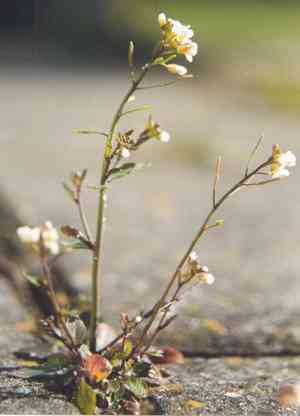
Mouse-ear cress (Arabidopsis thaliana)
Also known as: Thale cress
Arabidopsis thaliana, commonly known as mouse-ear cress, is frequently selected for research and experimentation because of its rapid life cycle and straightforward cultivation. Notably, it has even been studied on the International Space Station. The plant features small, delicate flowers that are roughly 1/8 of an inch in size.
In This Article
Attributes of Mouse-ear cress
Lifespan
Annual, Biennial
Plant Type
Herb
Plant Height
10 cm to 41 cm
Spread
20 cm
Leaf Color
Green Purple
Flower Size
2.5 cm
Flower Color
White
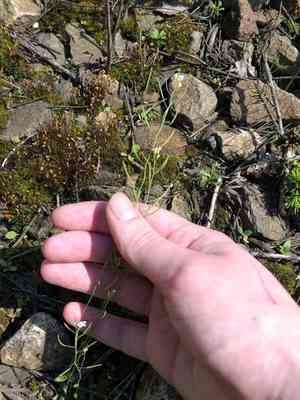
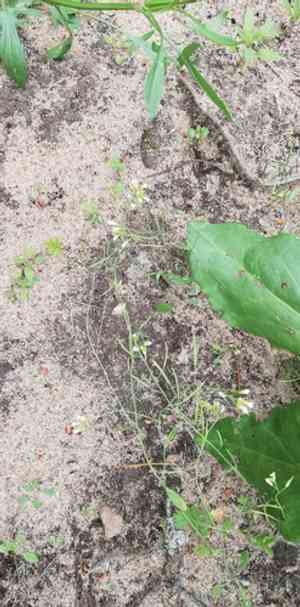
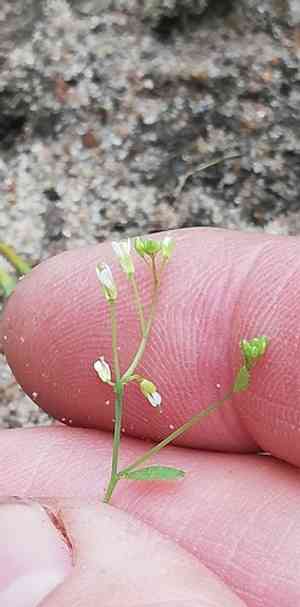
Images of Mouse-ear cress
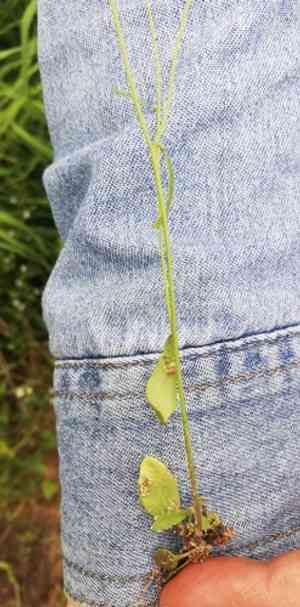
Quickly Identify Mouse-ear cress
1
Arabidopsis thaliana can be recognized by its small, rosette-forming leaves, which are slightly hairy and have a simple, lobed structure. The plant produces small, white, four-petaled flowers arranged in clusters. Its seeds are tiny and housed in slender, siliques (seed pods).
Scientific Classification of Mouse-ear cress
Phylum
Vascular plants
Class
Dicotyledons
Order
Brassicales
Family
Cruciferae
Genus
Rockcresses
Species
Mouse-ear cress
Planting and Growing of Mouse-ear cress
Care Difficulty
Easy
Watering Schedule
Every 8 days
Sunlight Requirements
Full sun
Sunshine Duration
6-10 hours
Ideal Temperature
68-77℉
Soil Type
Potting Mix, Peat Mix
Soil pH
6.5-7.5
Fertilizer Type
Balanced
Pruning Season
Spring, Summer
Pruning Area
Branches, Leaves
Pruning Frequency
2 times a year
Repotting Season
Spring
Pot Type
Plastic, Ceramic
 How to Water Mouse-ear cress?
Arabidopsis thaliana requires about 50 milliliters of water per watering. The goal is to keep the soil consistently moist but not waterlogged. It's important to water thoroughly so that the moisture reaches the roots, but allow the top layer of soil to dry out slightly between waterings.
What are the symptoms of an underwatered Mouse-ear cress?
›
What should I do if my Mouse-ear cress is not getting enough water?
›
What are the symptoms of an overwatered Mouse-ear cress?
›
How to save an overwatered Mouse-ear cress?
›
 What Are the Sunlight Requirements for Mouse-ear cress?
Arabidopsis thaliana prefers full sun exposure. Ideal conditions provide energy for optimal growth, vigorous blooms, and overall plant health, essential for its use in genetic and botanical studies.
What is the optimum light condition for Arabidopsis thaliana?
›
What solutions can achieve ideal lighting?
›
What are the benefits of ideal light conditions?
›
 What Is the Ideal Temperature Range for Mouse-ear cress?
For the healthy growth of Arabidopsis thaliana, maintaining a temperature range between 68°F and 77°F is crucial. This artificial climate fosters robust cellular functions and ensures that metabolic activities are operating in their most efficient state. During these conditions, plant physiological processes such as photosynthesis, transpiration, and nutrient absorption proceed optimally, contributing to the thriving growth and reproduction of the plant.
 What Soil is Best for Mouse-ear cress?
Arabidopsis thaliana prefers soil that allows water to drain efficiently. Such soil prevents waterlogging, reducing the risk of root rot and ensuring healthy plant growth. This plant thrives in soil abundant in essential nutrients. Fertile soil ensures robust growth, supporting the metabolic processes essential for photosynthesis and energy production. The soil should retain moisture without being overly wet, ensuring that Arabidopsis receives a consistent water supply, crucial for its development and flowering phase.
 How to Fertilize Mouse-ear cress?
Arabidopsis thaliana typically requires a balanced approach to fertilizer application. For liquid fertilizers, use a solution diluted to half the recommended strength, ensuring to avoid concentrated amounts which might harm the sensitive roots. For solid fertilizers, especially slow-release types, only a small quantity is necessary, enough to lightly dust the surface of the soil without overwhelming it.
 How to Prune Mouse-ear cress?
Begin by sterilizing your pruning tools to prevent the spread of disease. Identify dead, damaged, or diseased leaves and stems, and carefully trim them back to encourage healthier growth. Avoid cutting too close to the main stem to prevent stunting the plant's vitality.
 How to Propagate Mouse-ear cress plant?
1
Start by filling the seed tray with a fine potting mix. Ensure the surface is firm and level to promote even seed distribution and water retention.
2
Sprinkle Arabidopsis thaliana seeds onto the surface of the potting mix. Cover them lightly with an additional thin layer of mix to protect them during the watering process.
3
Gently water the seeds with a fine spray to moisten the potting mix. It's crucial to avoid over-watering at this stage to prevent seed rot or fungal diseases.
 How to Repot Mouse-ear cress plant?
1
Arabidopsis thaliana should be repotted when you notice roots coming out of the drainage holes or if growth seems stunted. Ideally, choose a time early in the morning or late in the afternoon during Spring or Autumn for minimal plant stress.
2
Choose a pot that is just a size larger than the current one, with good drainage holes. This prevents potential root rot while allowing growth. Clay pots are preferable due to their porous nature which helps in aeration.
3
Selecting a well-draining soil mix is crucial for Arabidopsis thaliana. It should be rich in organic matter, allowing for necessary nutrient supply and proper drainage, thus preventing waterlogging and root rot.
Learn More About Mouse-ear cress Diseases
Bacterial Leaf Spot
Bacterial Soft Rot
Bacterial Wilt
Chemical Injury
Clubroot
Crown Gall
Cyst Nematode
Damping-off
Downy Mildew
Drought Stress
Fusarium Wilt
Gray Mold
Leaf Spot
Mosaic
Nutrient Deficiency
Nutrient Toxicity
Powdery Mildew
Root Rot
Root-knot Nematode
Rusts
Spider Mites
Temperature Stress
Thrips Damage
White Mold



