
Red columbine (Aquilegia canadensis)
Also known as: Wild columbine, American columbine
The Eastern Red Columbine (Aquilegia canadensis), a relative of the buttercup, flourishes in the woodlands and rocky mountainous areas of eastern North America. Also known as wild columbine, it thrives in well-drained soils and is a favorite in cottage and hummingbird gardens. Its vibrant red and yellow blossoms are particularly attractive to hummingbirds.
Attributes of Red columbine
Images of Red columbine


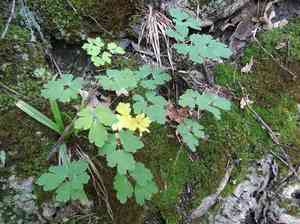
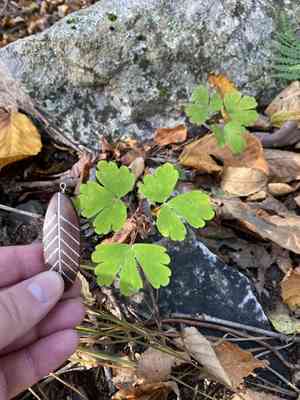
Quickly Identify Red columbine
Scientific Classification of Red columbine
Planting and Growing of Red columbine
 How to Water Red columbine?
 What Are the Sunlight Requirements for Red columbine?
 What Is the Ideal Temperature Range for Red columbine?
 What Soil is Best for Red columbine?
 How to Fertilize Red columbine?
 How to Prune Red columbine?
 How to Propagate Red columbine plant?
 How to Repot Red columbine plant?
Toxicity of Red columbine
Is Red columbine toxic to humans?
Red columbine poisoning is primarily associated with direct skin exposure to its damaged leaves and stems. This contact can trigger mild skin irritation as a result of a toxic chemical that may be emitted. Symptoms of poisoning in such instances can manifest as tingling sensations, numbness, ulceration, and irritation at the area of contact. While there are no recorded cases of poisoning linked to the ingestion of red columbine by humans, it is part of a plant family known to include species with mild toxicity.
Is Red columbine toxic to cat?
Red columbine possesses a mild level of toxicity for cats. If a cat ingests large quantities of any part of red columbine, it may result in poisoning. Symptoms following exposure tend to be non-specific and involve physical distress, which could worsen without swift medical attention. Due to these potential hazards, it is essential for cat owners to keep their pets from consuming any parts of red columbine and to promptly consult a veterinarian in the event of ingestion.
Is Red columbine toxic to dog?
The red columbine plant carries a mild toxicity risk for dogs. Although it is not severely toxic, consuming it in substantial amounts can result in poisoning. Dogs may be drawn to and eat different parts of the plant, as all components are deemed toxic. Toxic effects caused by red columbine may manifest as gastrointestinal disturbances, including vomiting or diarrhea, and in some instances, more serious reactions depending on the quantity ingested. It is crucial for dog owners to observe their pets closely and prevent them from eating red columbine. Should a dog ingest this plant and display any signs of poisoning, it is imperative to seek prompt veterinary assistance to ensure appropriate care and recovery.



