
Aponogeton (Aponogeton) (Aponogeton)
Also known as: Water Hawthorn, Cape Pondweed
Aponogeton comprises around 56 recognized species of aquatic plants, primarily distributed across tropical to warm temperate areas in Africa, Asia, and Australasia. Characterized by their milky sap, these plants often go dormant during drought periods. Most Aponogeton species grow from tubers, which help them survive in varying water conditions.
In This Article
Attributes of Aponogeton (Aponogeton)
Lifespan
Perennial
Plant Height
15-75 cm
Spread
Varies widely depending on species
Leaf Color
Green
Flower Size
0.5-1 cm
Flower Color
White, yellow, sometimes pink
Images of Aponogeton (Aponogeton)



Quickly Identify Aponogeton (Aponogeton)
1
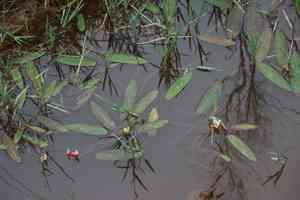
Identify Aponogeton by its elongated, lance-shaped leaves that rise above or float on the water surface. The flowers are often white or yellow and grow on spikes that extend above the water.
Scientific Classification of Aponogeton (Aponogeton)
Phylum
Magnoliophyta
Class
Liliopsida
Order
Alismatales
Family
Aponogetonaceae
Genus
Aponogeton
Planting and Growing of Aponogeton (Aponogeton)
Care Difficulty
Moderate
Watering Schedule
Every 8 days
Sunlight Requirements
Partial sun
Sunshine Duration
4-8 hours
Ideal Temperature
70-80℉
Soil Type
Potting Mix, Peat Mix
Soil pH
6.5-7.5
Fertilizer Type
Balanced
Pruning Season
Spring, Summer
Pruning Area
Branches, Leaves
Pruning Frequency
2 times a year
Repotting Season
Spring
Pot Type
Plastic, Ceramic
 How to Water Aponogeton (Aponogeton)?
When it comes to watering Aponogeton, the key is achieving a steady moisture level. Water them with approximately 300 ml per session, ensuring the soil is moist but not waterlogged. The goal is to mimic their natural aquatic habitat where water is readily available but doesn't swamp the roots.
What are the symptoms of an underwatered Aponogeton (Aponogeton)?
›
What should I do if my Aponogeton (Aponogeton) is not getting enough water?
›
What are the symptoms of an overwatered Aponogeton (Aponogeton)?
›
How to save an overwatered Aponogeton (Aponogeton)?
›
 What Are the Sunlight Requirements for Aponogeton (Aponogeton)?
Aponogeton thrives in partial sunlight, benefiting from around 4 to 6 hours of light, which supports healthy growth and vibrant foliage.
What is the ideal light level for Aponogeton?
›
How can ideal light conditions be achieved for Aponogeton?
›
What benefits does optimal light provide to Aponogeton?
›
 What Is the Ideal Temperature Range for Aponogeton (Aponogeton)?
Aponogeton species thrive best in temperatures between 70 to 80°F. These temperatures mimic their natural habitats, providing adequate warmth for efficient photosynthesis and healthy growth. Staying within this range ensures optimal metabolic activities and prevents stress on the plants.
 What Soil is Best for Aponogeton (Aponogeton)?
Aponogeton thrives in moist loam soil as it offers excellent water retention without becoming waterlogged, ensuring the roots remain hydrated and healthy. This plant prefers nutrient-dense substrates, boosting its vibrant growth and ensuring a lush display of foliage and blooms. Sandy loam provides a balance between drainage and moisture retention, which is perfect for sustaining Aponogeton in varying water conditions.
 How to Fertilize Aponogeton (Aponogeton)?
For Aponogeton, the appropriate fertilizer amount is crucial for healthy growth. Use a balanced liquid fertilizer at a quarter to half the recommended strength. This ratio ensures the plant receives the necessary nutrients without the risk of over-fertilization, which can harm its delicate structure.
 How to Prune Aponogeton (Aponogeton)?
Begin by examining the plant for any yellowing, damaged, or decayed leaves. These are the primary targets for removal as they no longer contribute positively to the plant's health. Before cutting, visually plan which parts of the plant need pruning. This helps in maintaining the overall shape and aesthetics of the plant while ensuring that unnecessary parts are not removed. Make cuts as close to the base of the leaf as possible without damaging the bulb or the main stem. This ensures that no unsightly stubs are left behind and encourages new growth from the roots.
 How to Propagate Aponogeton (Aponogeton) plant?
1
Start by collecting mature seeds from the Aponogeton plant. Ensure the seeds are fully developed by checking for a firm outer shell. Carefully remove any debris.
2
Gently place the seeds in a seed tray filled with moist, fine-textured growing medium. Make sure to spread them evenly and cover them lightly with a thin layer of the medium.
3
For division propagation, gently remove the plant from its container. Use a sharp knife or spade to divide the rhizomes into equal sections, ensuring each section has a bud or growth node.
 How to Repot Aponogeton (Aponogeton) plant?
1
The signs that your Aponogeton needs repotting include roots growing out of the drainage holes, slowed growth, or water sitting atop the soil. Spring and summer are the best seasons, as the plant is actively growing and can recover more easily.
2
Select a pot that is 1-2 sizes larger to give roots room to grow. Ensure it has adequate drainage to prevent waterlogging, allowing healthier and more robust growth. Ceramic pots can provide stability, but ensure they have enough drainage holes.
3
Opt for a rich, loamy soil mix with good mineral content. This provides essential nutrients and maintains the moisture balance Aponogeton thrives on. A slightly acidic to neutral pH is ideal for optimal growth and flowering.

