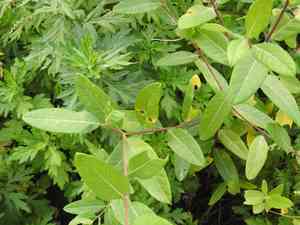
Indian hemp (Apocynum cannabinum)
Also known as: Wild cotton, Prairie dogbane
Indian hemp, also known as Apocynum cannabinum, was historically utilized by Native American tribes for its strong fibers, which were perfect for crafting nets, bows, and fishing lines. Despite its practical uses, the plant contains toxic compounds that pose serious health risks, including the potential for cardiac arrest if ingested. Additionally, it serves as a crucial food source for certain insects, such as hummingbird moths. Therefore, handling Indian hemp requires careful precautions to avoid accidental poisoning.
Attributes of Indian hemp
Images of Indian hemp
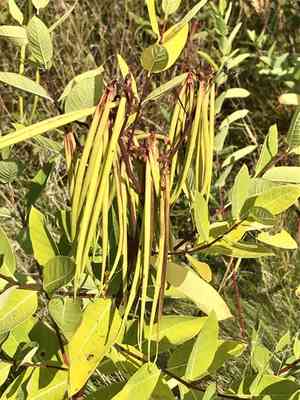
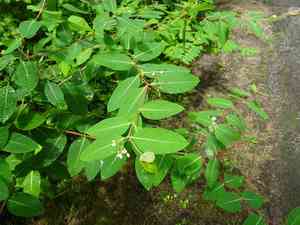
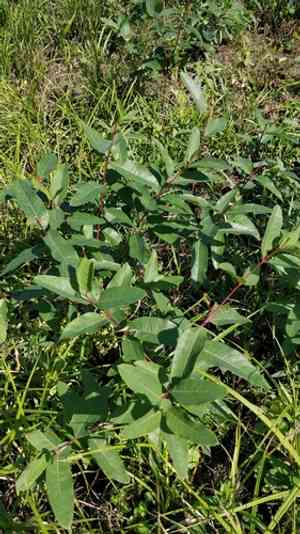
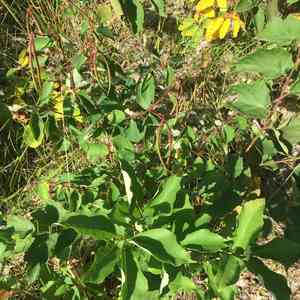
Quickly Identify Indian hemp
Scientific Classification of Indian hemp
Toxicity of Indian hemp
Is Indian hemp toxic to humans?
Indian hemp poses severe toxicity to humans if consumed. This plant harbors the potential to induce grave health complications and can even lead to fatal outcomes. Every part of the plant comprises cardiac glycosides. When ingested in sufficiently large amounts, these compounds can result in cardiac arrest, which, subsequently, might be lethal. These species are infrequently used for ornamental purposes, meaning that the majority of individuals encounter them within their natural environments—typically located in damp, shaded settings like stream banks. Fortunately, there are no closely resembling edible plants, rendering instances of human ingestion exceedingly uncommon.
Is Indian hemp toxic to cat?
Indian hemp represents a significant toxicity threat to cats. Should a cat consume any portion of indian hemp, it may suffer from poisoning, as every part of this plant is harmful. Pet owners need to be vigilant about their cats potentially ingesting indian hemp and should observe for symptoms of physical distress or illness. If ingestion occurs, it is crucial to take the cat to a veterinary clinic without delay for appropriate treatment to alleviate the poison's effects.
Is Indian hemp toxic to dog?
Indian hemp is a hazardous plant for dogs, representing a considerable health threat if ingested. Dogs may inadvertently consume portions of this plant, resulting in poisoning. Every part of the plant is toxic, so ingestion of any segment could lead to harmful effects. Symptoms of toxicity in dogs may encompass vomiting, diarrhea, weakness, and potentially more serious reactions based on the quantity consumed. It is vital for dog owners to remain alert and prevent their pets from accessing indian hemp. If there is a suspicion that a dog has ingested any part of this plant, it is essential to seek prompt veterinary attention to ensure the best possible outcome for the animal.

