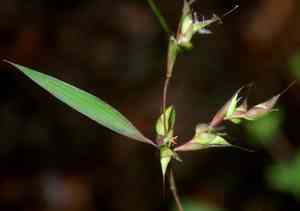
Mauritian grasses (Apluda) (Apluda)
Also known as: None known
The genus *Lecomtella* consists of grasses in the grass family that are native to Asia and several islands in the Indian and Pacific Oceans. This genus includes just one known species.
In This Article
Attributes of Mauritian grasses (Apluda)
Lifespan
Perennial
Plant Height
Up to 2 meters
Spread
N/A
Leaf Color
Green
Flower Size
Small, typically less than 1 cm
Flower Color
Greenish-brown
Images of Mauritian grasses (Apluda)
Quickly Identify Mauritian grasses (Apluda)
1
To identify Apluda, look for its narrow leaves and characteristic flowering spikelets. The spikelets typically feature a sharp awn and are arranged in a loose, branched panicle.
Scientific Classification of Mauritian grasses (Apluda)
Phylum
Magnoliophyta
Class
Liliopsida
Order
Poales
Family
Poaceae
Genus
Apluda
Planting and Growing of Mauritian grasses (Apluda)
Care Difficulty
Moderate
Watering Schedule
Every 3 days
Sunlight Requirements
Partial sun
Sunshine Duration
4-8 hours
Ideal Temperature
68-86℉
Soil Type
Potting Mix, Peat Mix
Soil pH
6-7.5
Fertilizer Type
Balanced
Pruning Season
Spring, Summer
Pruning Area
Branches, Leaves
Pruning Frequency
2 times a year
Repotting Season
Spring
Pot Type
Plastic, Ceramic
 How to Water Mauritian grasses (Apluda)?
Apluda thrives best when the soil is allowed to dry out slightly between waterings. Each watering should moisten the soil evenly and deeply, reaching the root zone without causing water accumulation at the bottom. Ensure the upper inch of soil becomes damp enough to engage the roots but avoid water pooling on top.
What are the symptoms of an underwatered Mauritian grasses (Apluda)?
›
What should I do if my Mauritian grasses (Apluda) is not getting enough water?
›
What are the symptoms of an overwatered Mauritian grasses (Apluda)?
›
How to save an overwatered Mauritian grasses (Apluda)?
›
 What Are the Sunlight Requirements for Mauritian grasses (Apluda)?
Apluda flourishes in partial to full sun settings. Ideal light conditions allow it to perform vital ecological roles, such as maintaining soil structure and providing habitat to small organisms.
What is the best type of sunlight for Apluda?
›
How can you ensure Apluda receives its ideal lighting?
›
What are the benefits of providing ideal lighting to Apluda?
›
 What Is the Ideal Temperature Range for Mauritian grasses (Apluda)?
For optimal growth of Apluda, maintaining a temperature range of 68°F to 86°F is crucial. This range ensures that the plant can efficiently perform photosynthesis and other metabolic activities necessary for healthy growth.
 What Soil is Best for Mauritian grasses (Apluda)?
Apluda thrives in well-drained soil, which ensures that excess water can easily pass through, averting root rot. This feature is crucial for healthy root development, ensuring the plant absorbs sufficient nutrients and grows robustly. Apluda benefits from soils with moderate fertility. This level allows for steady growth without over-saturation of nutrients, which might otherwise lead to imbalances in plant development. Middle path fertility ensures balanced leaf and stem production. Apluda prefers soil that maintains moisture without becoming waterlogged. This ensures that the plant receives a stable water supply between regular watering schedules, promoting vigorous growth and lushness in its leaves.
 How to Fertilize Mauritian grasses (Apluda)?
For Apluda, it's recommended to use a balanced liquid fertilizer at half strength. Use 10ml of liquid fertilizer diluted in 1 liter of water for each application. This allows the plant to absorb nutrients effectively without the risk of overfeeding.
 How to Prune Mauritian grasses (Apluda)?
Start by sterilizing your pruning shears to prevent disease spread. Focus on removing any dead or damaged blades, as well as thinning out any overcrowded areas to improve airflow. Cut above the node to encourage new growth.
 How to Propagate Mauritian grasses (Apluda) plant?
1
Choose fresh, high-quality Apluda seeds from a reputable supplier to ensure successful germination. Inspect seeds for any signs of damage or disease.
2
Fill your seed tray with potting soil and plant Apluda seeds around 1/4 inch deep. Ensure seeds are spaced adequately to avoid crowding during germination.
3
Keep the soil consistently moist but not waterlogged by misting with water regularly. Adequate moisture is crucial for Apluda seed germination and early growth.
 How to Repot Mauritian grasses (Apluda) plant?
1
The best time to repot Apluda is during the growing season when you notice roots growing out of the drainage holes or when the plant appears stunted. These signs indicate the plant has outgrown its current pot and needs more space and nutrients.
2
Select a pot that is one to two inches larger in diameter than the current pot. This encourages healthy growth without overwhelming the plant. Ensure it has adequate drainage holes to prevent waterlogging, which can lead to root rot.
3
Opt for a loamy, well-draining soil to provide excellent aeration and moisture control. Such soil allows the plant's roots to breathe and helps avoid water retention, ensuring a healthy environment for root development.

