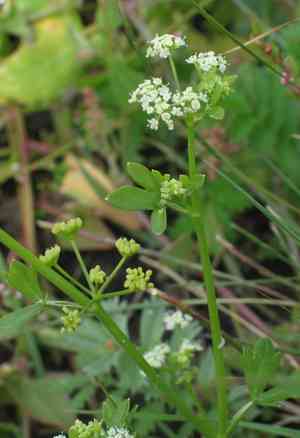
Wild celery (Apium graveolens)
Also known as: Celery
Wild celery (Apium graveolens) is a herbaceous plant that thrives in marshy regions. It is naturally found across the Mediterranean, extending into parts of Europe, Asia, and North Africa. While it is commonly cultivated for its edible parts, historically, it has also been discovered in ancient sites such as Egyptian tombs, indicating its presence in early human societies.
In This Article
Attributes of Wild celery
Lifespan
Perennial, Annual, Biennial
Plant Type
Herb
Plant Height
15 cm to 1.5 m
Spread
15 cm
Leaf Color
Green Blue
Flower Size
0.8 mm
Flower Color
White Green Yellow
Images of Wild celery
Quickly Identify Wild celery
1
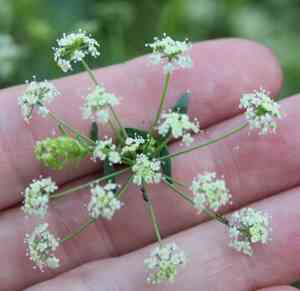
Umbellifer flowers in white-green clusters, 1/2 to 1 1/2 inches wide, with symmetrically arranged petals.
2
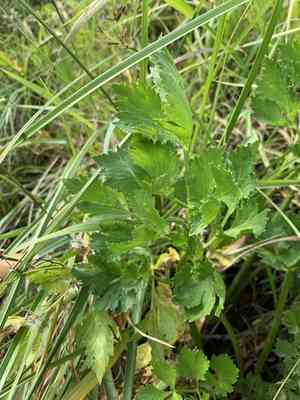
Distinctive trifoliate leaves: basal oblong, upper triangular, 3-lobed, with crenate margins.
3
Tiny black schizocarp fruit, less than 0.08 inches, splitting into two ovoid mericarps.
4
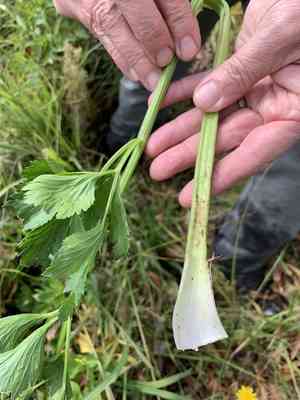
Yellowish-green erect stems, hollow, 0.2 inches wide, with coarse grooves and varying colors.
5
Height of 1.5 to 3 feet, aromatic celery-like leaves, member of Apiaceae family.
Scientific Classification of Wild celery
Phylum
Vascular plants
Class
Dicotyledons
Order
Carrots, ivies and allies
Family
Umbellifers
Genus
Celery and Marshwort
Species
Wild celery
Planting and Growing of Wild celery
Care Difficulty
Easy
Watering Schedule
Every 4 days
Sunlight Requirements
Full sun
Sunshine Duration
6-10 hours
Ideal Temperature
60-70℉
Soil Type
Potting Mix, Peat Mix
Soil pH
6.5-7.5
Fertilizer Type
Balanced
Pruning Season
Spring, Summer
Pruning Area
Branches, Leaves
Pruning Frequency
2 times a year
Repotting Season
Spring
Pot Type
Plastic, Ceramic
 How to Water Wild celery?
For Apium graveolens, it is crucial to maintain consistent soil moisture, but not waterlogged conditions. A watering amount of 250 ml per session is ideal, ensuring the soil is adequately moist yet allowing excess water to drain. Make sure the topsoil remains slightly damp to touch between watering sessions to avoid the risk of root rot.
More About Watering Techniques→
What are the symptoms of an underwatered Wild celery?
›
What should I do if my Wild celery is not getting enough water?
›
What are the symptoms of an overwatered Wild celery?
›
How to save an overwatered Wild celery?
›
 What Are the Sunlight Requirements for Wild celery?
Apium graveolens ideally prefers partial to full sun exposure, benefiting from 6-8 hours of light daily. Ensuring this light availability promotes maximum growth, flavor production, and plant vigor, crucial for healthy development.
More About Sunlight Requirements Techniques→
Question: What is the best lighting setup for Apium graveolens?
›
Question: How can I maintain optimal sunlight exposure for Apium graveolens during changing seasons?
›
Question: Are there ways to enhance light access in suboptimal conditions for Apium graveolens?
›
 What Is the Ideal Temperature Range for Wild celery?
Apium graveolens, commonly known as celery, thrives best within an ideal temperature range of 60-70°F. Maintaining this range helps ensure optimal growth conditions by promoting proper photosynthesis and nutrient uptake. When the temperature is within this range, the plant's enzymatic activities are most efficient, which leads to vigorous growth and healthy foliage.
 What Soil is Best for Wild celery?
A well-draining soil is crucial for Apium graveolens to prevent waterlogging, which can lead to root rot. Ensuring proper drainage promotes healthy root development and allows the plant to absorb nutrients efficiently. Rich, fertile soil that is high in organic matter is essential for Apium graveolens. This provides the necessary nutrients for robust growth, resulting in lush, flavorful stalks and leaves. While drainage is important, the soil should also retain enough moisture to keep the plant hydrated. Balanced moisture levels ensure steady growth and prevent wilting, especially during hot weather.
More About Soil→
 How to Fertilize Wild celery?
For Apium graveolens, it is crucial to avoid over-fertilizing. A balanced liquid fertilizer diluted to half-strength should be applied twice a month. For solid, slow-release options, use about 200 grams per plant per application, ensuring the nutrients support healthy growth without causing root burn.
More About Fertilizing Techniques→
 How to Prune Wild celery?
Begin by assessing the plant for any dead or yellowing leaves, leggy stems, or pest-infested areas. This will help you identify the parts of the plant that require immediate attention. Start by cutting away any dead or discolored foliage as close to the base as possible to encourage new growth. When trimming stems, ensure you cut just above a leaf node to promote branching. If the plant is growing unevenly, trim longer stems to match the desired bushy shape. This helps the plant maintain an attractive appearance and allows sunlight to reach deeper leaves. After pruning, ensure the plant is watered adequately and provided with proper sunlight. This care will aid in recovery from pruning and promote healthy new growth.
More About Pruning Techniques→
 How to Propagate Wild celery plant?
1
Sow seeds in a seed tray filled with seed-starting mix in early spring. Maintain a temperature of around 70°F (21°C) for optimal germination. Keep the soil moist but not soggy, and place the tray in a well-lit position.
2
Select healthy, non-flowering stems for cuttings. Cut just below a node and ensure each cutting is about 6 inches in length. Remove the lower leaves to prepare for rooting hormone application.
3
Once seedlings have their first set of true leaves, they are ready for transplanting. Harden them off by gradually exposing them to outdoor conditions before planting them into the garden.
 How to Repot Wild celery plant?
1
Look out for roots growing out of the drainage holes or if the plant appears too large for its current pot. These are clear signals that your Apium graveolens needs more space to thrive. Also, if the soil seems compacted or isn’t retaining moisture as it should, it’s time to consider repotting.
2
Opt for a pot that is one size larger than the current one. Ensure it has adequate drainage holes to prevent waterlogging. A pot that allows excess water to escape is crucial for avoiding root rot, which can be detrimental to celery’s health.
3
Choose a rich, well-drained loam that holds moisture yet drains well. Such soil is essential as it maintains the balance between adequate drainage and sufficient nutrient retention, ensuring your celery grows vigorously.
Learn More About Wild celery Diseases
Anthracnose
Bacterial Leaf Spot
Bacterial Soft Rot
Bacterial Wilt
Chemical Injury
Cyst Nematode
Damping-off
Downy Mildew
Drought Stress
Fusarium Wilt
Gray Mold
Leaf Spot
Mosaic
Nutrient Deficiency
Nutrient Toxicity
Powdery Mildew
Root Rot
Root-knot Nematode
Spider Mites
Temperature Stress
Thrips Damage
White Mold



