
Mock parsley (Apiastrum angustifolium)
Also known as: none
An agave is a hardy perennial plant characterized by its slender, pointed leaves that form a rosette pattern. It typically thrives in rocky, arid landscapes, utilizing its deep roots to access water and nutrients. Agaves also produce tall flower spikes adorned with small blossoms, which attract various pollinators and are well-adapted to endure tough environmental conditions.
In This Article
Attributes of Mock parsley
Lifespan
Annual
Plant Type
Herb
Plant Height
01-1.5 feet
Spread
no significant crown
Leaf Color
green
Flower Size
less than 0.5 inches
Flower Color
White
Images of Mock parsley
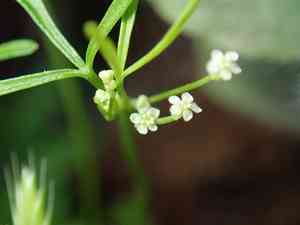
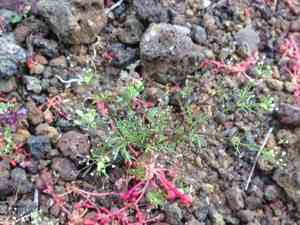
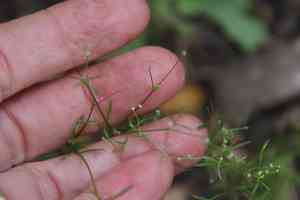
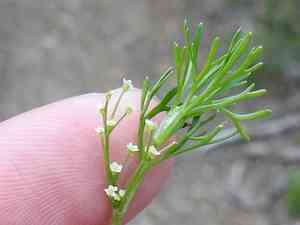
Quickly Identify Mock parsley
1
This plant can be identified by its narrow, finely divided leaves, which resemble those of celery. It has small white to lilac flowers arranged in umbels.
Scientific Classification of Mock parsley
Phylum
Vascular plants
Class
Dicotyledons
Order
Apiales
Family
Umbellifers
Genus
Apiastrum
Species
Mock parsley
Planting and Growing of Mock parsley
Care Difficulty
Easy
Watering Schedule
Every 2 days
Sunlight Requirements
Full sun
Sunshine Duration
4-8 hours
Ideal Temperature
60-75℉
Soil Type
Potting Mix, Peat Mix
Soil pH
6.5-7.5
Fertilizer Type
Balanced
Pruning Season
Spring, Summer
Pruning Area
Branches, Leaves
Pruning Frequency
Once a year
Repotting Season
Spring
Pot Type
Plastic, Terracotta
 How to Water Mock parsley?
The watering amount for Apiastrum angustifolium should be approximately 250 milliliters per session. This plant appreciates moderate moisture. It's important to saturate the soil thoroughly, allowing water to deep soak into the root zone, without leaving water to pool on the surface or at the bottom of the pot.
What are the symptoms of an underwatered Mock parsley?
›
What should I do if my Mock parsley is not getting enough water?
›
What are the symptoms of an overwatered Mock parsley?
›
How to save an overwatered Mock parsley?
›
 What Are the Sunlight Requirements for Mock parsley?
Apiastrum angustifolium ideally flourishes in full sun conditions, characterized by 6-8 hours of direct exposure daily. Ensuring this light range promotes lush foliage, vibrant blooms, and a resilient, healthy plant.
Optimal Sun Exposure
›
Preventing Shade
›
Managing Seasonal Changes
›
 What Is the Ideal Temperature Range for Mock parsley?
The ideal temperature range for Apiastrum angustifolium ranges from 60°F to 75°F. This range ensures optimal growth and vitality, as it is conducive to maintaining the plant's physiological processes and metabolic activities without causing stress. Temperatures within this range support healthy leaf development and promote flowering.
 What Soil is Best for Mock parsley?
Apiastrum angustifolium thrives in soils that provide excellent drainage. Ensuring good drainage prevents root rot and other moisture-related issues, ensuring healthier growth and more vibrant foliage. This plant doesn't require overly rich soil but benefits from moderate nutrient content. Soils with balanced nutrients support steady growth without overwhelming the roots. Incorporating organic matter into the soil enriches it and improves its structure, aiding in nutrient retention, enhancing moisture regulation, and fostering robust plant development.
 How to Fertilize Mock parsley?
Apiastrum angustifolium requires a balanced approach to fertilization. Use a diluted liquid fertilizer solution, ensuring that the concentration is at half the recommended dose for general houseplants. Slow-release granules should be applied sparingly, using only a small handful spread evenly over the soil surface. Over-fertilization can lead to salt buildup, which may harm the plant.
 How to Prune Mock parsley?
Begin by examining the plant for any brown, wilted, or dead stems. Carefully trim these away at their base to prevent the spread of any potential plant diseases. Prune any overgrown sections to keep the plant in the desired shape and size. This encourages fuller growth and prevents the plant from becoming top-heavy. Use your discretion to shape the plant by selectively pruning branches. This not only keeps it looking tidy but also allows for air and light to reach all parts, promoting healthy growth.
More About Pruning Techniques→
 How to Propagate Mock parsley plant?
1
Fill seed trays with a seed-starting mix, and sow Apiastrum angustifolium seeds on the surface. Lightly cover with a thin layer of soil and mist gently to maintain moisture.
2
Select healthy, disease-free stems, and use pruning shears to cut 4-6 inch sections. Remove lower leaves, leaving a few at the top to prevent excessive transpiration.
3
For division propagation, dig up the plant and gently separate the root clumps using your hands or a knife. Ensure each division has a healthy root system and shoots.
 How to Repot Mock parsley plant?
1
Apiastrum angustifolium typically signals the need for repotting when its roots start circling the pot or protruding from the drainage holes. Additionally, if the plant appears stunted or its growth rate decreases significantly, it may also indicate the necessity for more room to grow. Ideally, repot during spring or early summer for optimal adaptation.
2
When selecting a new pot for Apiastrum angustifolium, ensure it is at least 2 inches wider in diameter than the current one. The extra space fosters better root spread and health. Opt for a pot with ample drainage holes to prevent waterlogging. This choice decreases risks of root rot and promotes healthy plant development.
3
The soil mix for Apiastrum angustifolium should be well-draining and rich in nutrients, maintaining a balance between moisture retention and aeration. A sandy loam mix is optimal, as it provides proper moisture levels without becoming compacted, ensuring roots receive enough oxygen and prevent fungal problems.
Learn More About Mock parsley Diseases
Bacterial Leaf Spot
Bacterial Soft Rot
Bacterial Wilt
Crown Gall
Cyst Nematode
Damping-off
Downy Mildew
Drought Stress
Fusarium Wilt
Gray Mold
Leaf Spot
Mosaic
Nutrient Deficiency
Nutrient Toxicity
Powdery Mildew
Root Rot
Root-knot Nematode
Rusts
Sooty Mold
Spider Mites
Temperature Stress
Thrips Damage
White Mold



