Aphanes (Aphanes) (Aphanes)
Also known as: Parsley Piert
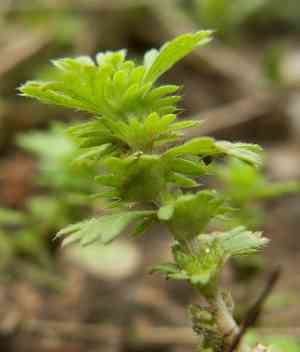
Aphanes consists of slender, annual herbs that are often prostrate and highly branched. They feature deeply lobed, pilose (hairy) leaves on short petioles. The small, green to yellow flowers lack petals and grow in clusters within the denticulate, leaf-like stipules. The genus encompasses around 20 species and is native to Europe, Asia, and Australia.
In This Article
Attributes of Aphanes (Aphanes)
Lifespan
Annual
Plant Height
3-15 cm
Spread
N/A
Leaf Color
Green
Flower Size
1-2 mm
Flower Color
Greenish or yellowish
Images of Aphanes (Aphanes)

Quickly Identify Aphanes (Aphanes)
1
Aphanes can be identified by their small, finely dissected leaves that resemble those of parsley, and their tiny, inconspicuous flowers which are often hidden among the foliage.
Scientific Classification of Aphanes (Aphanes)
Phylum
Tracheophyta
Class
Magnoliopsida
Order
Rosales
Family
Rosaceae
Genus
Aphanes
Planting and Growing of Aphanes (Aphanes)
Care Difficulty
Easy
Watering Schedule
Every 3 days
Sunlight Requirements
Partial sun
Sunshine Duration
4-6 hours
Ideal Temperature
60-70℉
Soil Type
Potting Mix, Peat Mix
Soil pH
6.5-7.5
Fertilizer Type
Balanced
Pruning Season
Spring, Summer
Pruning Area
Branches, Leaves
Pruning Frequency
2 times a year
Repotting Season
Spring
Pot Type
Plastic, Ceramic
 How to Water Aphanes (Aphanes)?
Aphanes prefers to be watered thoroughly but infrequently, with approximately 100 ml each time. Ensure the soil is moist but not waterlogged, allowing it to dry slightly between waterings to prevent root rot.
What are the symptoms of an underwatered Aphanes (Aphanes)?
›
What should I do if my Aphanes (Aphanes) is not getting enough water?
›
What are the symptoms of an overwatered Aphanes (Aphanes)?
›
How to save an overwatered Aphanes (Aphanes)?
›
 What Are the Sunlight Requirements for Aphanes (Aphanes)?
The ideal light range for Aphanes is partial to full sun exposure. Ideal lighting promotes robust growth, vibrant leaf color, and enhanced reproductive capability for the plant.
What is the best lighting condition for Aphanes?
›
How to ensure Aphanes receives ideal light conditions?
›
What are the benefits of ideal light conditions for Aphanes?
›
 What Is the Ideal Temperature Range for Aphanes (Aphanes)?
The ideal temperature range for Aphanes is between 60 and 70 degrees Fahrenheit. This range ensures optimal growth and development. Maintaining this temperature will promote healthy foliage and allow the plant to thrive throughout its growth stages.
 What Soil is Best for Aphanes (Aphanes)?
Aphanes thrives in well-drained soil which is essential to prevent waterlogging. This type of soil ensures that the roots receive adequate oxygen, promoting healthy plant growth and avoiding root rot. While Aphanes isn’t very demanding in terms of nutrients, it performs best in soils with moderate fertility. This provides sufficient nutrients for growth without overwhelming the plant, leading to balanced and sustained development. A soil that retains moisture but is also permeable allows Aphanes to access water during dry periods while ensuring that it does not remain overly wet, thus maintaining an ideal hydration level for the plant.
 How to Fertilize Aphanes (Aphanes)?
Aphanes plants generally require a mild amount of fertilizer. It's important to not overwhelm them with nutrients. Liquid fertilizer should be diluted to half its strength, while slow-release granular fertilizers should be applied sparingly according to the package instructions.
 How to Prune Aphanes (Aphanes)?
Start by removing any dead or diseased foliage. This not only improves the plant's appearance but also prevents the spread of diseases. Examine each stem closely, and cut back any unhealthy parts to just above a healthy bud. To maintain its aesthetic appeal, shape the plant by trimming overgrown sections. Focus on keeping the plant's natural form and encourage bushiness by cutting above outward-facing buds. This approach ensures a balanced shape and promotes denser growth.
 How to Propagate Aphanes (Aphanes) plant?
1
Start by selecting healthy seeds from a reliable source. This ensures good germination rates. Check for seed viability by examining their size, color, and firmness to ensure they are mature and healthy.
2
Evenly distribute seeds onto the surface of a seed tray filled with potting mix. Cover them lightly with a thin layer of soil to protect them from washing away during watering. Maintain moisture by gently misting the surface with water.
3
Place the seed tray in a warm, sunny location but away from direct sunlight. A temperature of around 20-25°C is ideal. Use a plastic cover to retain humidity, ensuring the soil stays moist.
 How to Repot Aphanes (Aphanes) plant?
1
Repot Aphanes when you notice its growth becoming stunted, or when roots begin to grow through drainage holes. Another good time is when the soil seems compacted and doesn't retain moisture well. These signs usually signal that the plant needs more room and fresh soil.
2
Opt for a pot that is one size larger than the current one and has sufficient drainage holes. A good pot allows excess water to exit, preventing root rot. Choose a material like terracotta, which is breathable and allows for better airflow, encouraging healthy root development.
3
Use a well-draining potting mix to prevent waterlogging. Incorporate materials like perlite or sand for improved drainage. Such a mix enables sufficient airflow to the roots, ensuring they remain healthy and don't succumb to rot or disease.

