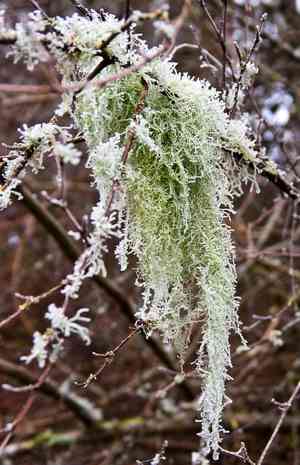
Pendulous wing-moss (Antitrichia curtipendula)
Also known as: Antitrichia moss
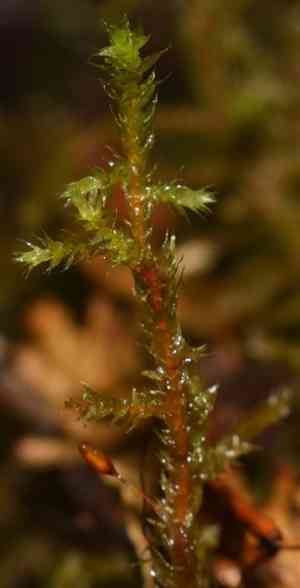
Pendulous wing-moss (Antitrichia curtipendula) features red stems and yellow-green leaves, creating a distinctive yellow-orange hue. It forms sprawling, feathery mats on tree trunks and branches. Unlike many plants, it doesn't require roots in the ground; instead, it anchors itself to host plants, often growing high above the ground. This moss thrives in damp, shaded areas, contributing to its lush, cascading appearance.
In This Article
Attributes of Pendulous wing-moss
Lifespan
Perennial
Plant Type
Moss
Plant Height
15 cm to 30 cm
Spread
N/A
Leaf Color
Green
Flower Size
N/A
Flower Color
N/A
Images of Pendulous wing-moss
Quickly Identify Pendulous wing-moss
1
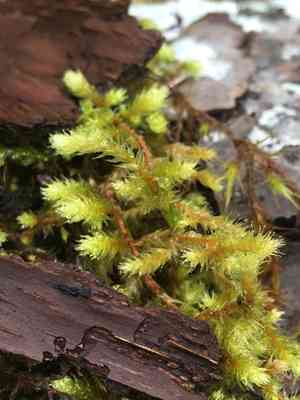
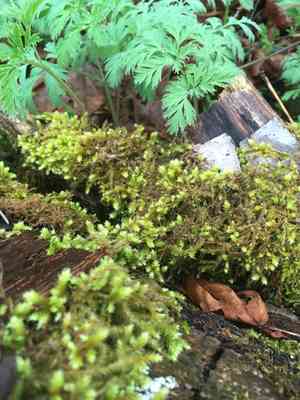
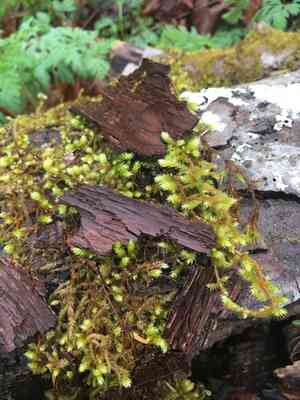
This moss can be identified by its pinnately branched stems and curved, sickle-shaped leaves that give an impression of hanging down. The leaves have a distinctive, almost glossy appearance.
Scientific Classification of Pendulous wing-moss
Phylum
Mosses
Class
True mosses
Order
Leucodontales
Family
Leucodontaceae
Genus
Antitrichia moss
Species
Pendulous wing-moss
Planting and Growing of Pendulous wing-moss
Care Difficulty
Easy
Watering Schedule
Every 2 days
Sunlight Requirements
Partial sun
Sunshine Duration
4-8 hours
Ideal Temperature
50-77℉
Soil Type
Potting Mix, Peat Mix
Soil pH
6-7.5
Fertilizer Type
Balanced
Pruning Season
Spring, Summer
Pruning Area
Branches, Leaves
Pruning Frequency
Once a year
Repotting Season
Spring
Pot Type
Plastic, Terracotta
 How to Water Pendulous wing-moss?
When watering Antitrichia curtipendula, the goal is to moisten the substrate without waterlogging it. This moss prefers its environment to be damp but not saturated. Watering with approximately 150 milliliters ensures the moss receives enough moisture to thrive, but it's crucial to check that excess water can drain away to prevent root rot.
What are the symptoms of an underwatered Pendulous wing-moss?
›
What should I do if my Pendulous wing-moss is not getting enough water?
›
What are the symptoms of an overwatered Pendulous wing-moss?
›
How to save an overwatered Pendulous wing-moss?
›
 What Are the Sunlight Requirements for Pendulous wing-moss?
Partial shade with dappled sunlight exposure is ideal. The plant benefits from reduced risk of dehydration and optimized conditions for photosynthesis, promoting robust, lush growth.
What is the best location for Antitrichia curtipendula?
›
How to adjust lighting conditions indoors?
›
Why is filtered light beneficial?
›
 What Is the Ideal Temperature Range for Pendulous wing-moss?
Antitrichia curtipendula thrives best in temperatures ranging from 50°F to 77°F. Within this range, the plant's metabolic processes, including photosynthesis and nutrient uptake, function optimally, promoting healthy growth and development.
 What Soil is Best for Pendulous wing-moss?
Antitrichia curtipendula thrives in well-drained soil to prevent waterlogging and root rot. This characteristic helps ensure sufficient oxygen exchange for the roots, promoting healthy growth and resilience. The plant benefits from soil rich in organic matter, which provides essential nutrients and enhances soil structure. This enrichment supports vibrant growth and extends the plant's lifespan. While well-drained, the soil should also retain some moisture. This balance ensures continuous water availability to meet the plant's hydration needs without causing water stress.
 How to Fertilize Pendulous wing-moss?
For Antitrichia curtipendula, apply liquid fertilizer adequately by ensuring the moss receives a balanced nutrient mix. Use a dilute solution, around one-quarter to half of the recommended strength, avoiding excessive quantities that could harm its delicate structure.
 How to Prune Pendulous wing-moss?
Begin pruning by gently brushing away any debris from the moss. Trim long strands to encourage bushier growth, being careful not to cut too close to the base, which could harm the plant. Carefully look through the moss for any brown or dead areas. These sections should be gently trimmed away to prevent the spread of decay and to allow healthy moss to flourish.
 How to Propagate Pendulous wing-moss plant?
1
Choose healthy, disease-free sections of the plant for cuttings, preferably from newer growth, as these are more likely to root effectively. Ensure the cutting is around 4-6 inches long and includes a few leaves.
2
Remove the lower leaves from the cutting to prevent rotting when planted. Dip the cut end into rooting hormone to promote faster root development. This preparation is crucial for the success of the propagation.
3
Plant the prepared cutting in a pot filled with moist, well-draining soil. Ensure part of the cutting is submerged enough to be stable, but not so deep that the leaves touch the soil, which could lead to rot.
 How to Repot Pendulous wing-moss plant?
1
Antitrichia curtipendula shows signs of needing repotting when its growth becomes stunted or when roots start circling the pot. If the soil is compacted or water sits on the surface for too long before being absorbed, it's time to consider repotting as well. This usually happens every two to three years, ideally in the growing seasons of spring or autumn.
2
Select a pot that is slightly larger than its current home, offering about one to two inches extra in diameter. Ensure the pot has drainage holes to prevent waterlogging, as standing water can lead to root rot. A pot made of porous materials like terracotta helps in natural drying of the soil, ensuring healthy root aeration.
3
Opt for a well-draining organic mix that retains moisture while ensuring sufficient aeration. A mixture containing peat, perlite, and pine bark is ideal as it mimics the plant's natural habitat, providing the necessary nutrients and structure for optimal growth without compacting too much.

