Snapdragons (Antirrhinum) (Antirrhinum)
Also known as: Dragon flowers
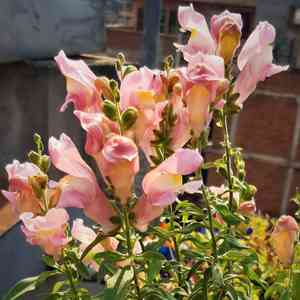
Snapdragons, members of the plantain family, are renowned for their hardiness and diverse range of colors. Their unique flowers, which resemble a dragon's mouth, provide visual interest. They are particularly popular during colder seasons because they can withstand frost and thrive when many other plants cannot. This makes them a favorite choice for adding vibrant beauty to gardens and landscapes in cooler weather.
In This Article
Attributes of Snapdragons (Antirrhinum)
Lifespan
Biennial
Plant Height
80 cm
Spread
45 cm
Leaf Color
Green
Flower Size
2 to 4 centimeters
Flower Color
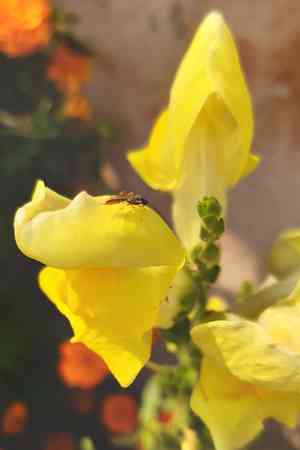
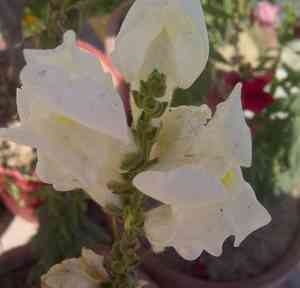
Various colors including red, pink, yellow, orange, white, and two-toned varieties
Images of Snapdragons (Antirrhinum)

Quickly Identify Snapdragons (Antirrhinum)
1
Snapdragons are identifiable by their tall spikes of brightly colored flowers which resemble the face of a dragon that opens and closes when laterally squeezed. They have opposite leaves, typically lanceolate in shape.
Scientific Classification of Snapdragons (Antirrhinum)
Phylum
Magnoliophyta
Class
Magnoliopsida
Order
Lamiales
Family
Plantaginaceae
Genus
Antirrhinum
Planting and Growing of Snapdragons (Antirrhinum)
Care Difficulty
Moderate
Watering Schedule
Every 4 days
Sunlight Requirements
Full sun
Sunshine Duration
4-8 hours
Ideal Temperature
60-75℉
Soil Type
Potting Mix, Peat Mix
Soil pH
6.5-7.5
Fertilizer Type
Balanced
Pruning Season
Spring, Summer
Pruning Area
Branches, Leaves
Pruning Frequency
Once a year
Repotting Season
Spring
Pot Type
Plastic, Ceramic
 How to Water Snapdragons (Antirrhinum)?
Antirrhinum, commonly known as snapdragon, requires a careful balance when it comes to watering. The key is to ensure the soil is consistently moist but not waterlogged. You should aim to provide approximately 250 milliliters of water per session. The soil should be evenly moist, similar to a wrung-out sponge, to support healthy growth without promoting root rot.
What are the symptoms of an underwatered Snapdragons (Antirrhinum)?
›
What should I do if my Snapdragons (Antirrhinum) is not getting enough water?
›
What are the symptoms of an overwatered Snapdragons (Antirrhinum)?
›
How to save an overwatered Snapdragons (Antirrhinum)?
›
 What Are the Sunlight Requirements for Snapdragons (Antirrhinum)?
For Antirrhinum, a light exposure of 6 to 8 hours per day is ideal, with full sun preferred. This optimizes flowering and maintains healthy, vibrant foliage, preventing growth inhibitors.
What is the ideal light condition for Antirrhinum?
›
How can I ensure Antirrhinum gets the ideal light?
›
What benefits do proper lighting conditions bring to Antirrhinum?
›
 What Is the Ideal Temperature Range for Snapdragons (Antirrhinum)?
Antirrhinum, commonly known as Snapdragon, thrives best within an ideal temperature range of 60-75°F. This temperature range supports optimal photosynthesis and growth, ensuring the plant's vibrant blooms and overall health.
 What Soil is Best for Snapdragons (Antirrhinum)?
Antirrhinum thrives in soil with excellent drainage properties. Well-drained soil prevents waterlogging, which can lead to root rot and other moisture-related issues, ensuring robust and healthy growth. This plant prefers slightly nutrient-rich soil, which supports optimal flowering and vibrant foliage. Incorporating organic matter or slow-release fertilizers can enhance soil fertility, promoting lush blooms. While drainage is important, Antirrhinum also needs consistent moisture levels in its soil. Regular watering, without overwatering, helps maintain the soil's moisture balance, crucial for the plant's hydration needs.
 How to Fertilize Snapdragons (Antirrhinum)?
Antirrhinum prefers balanced nutrients, so use a 10-10-10 liquid fertilizer. Apply it at a rate of one tablespoon per gallon of water. This ensures a steady supply of macronutrients without overwhelming the plant.
 How to Prune Snapdragons (Antirrhinum)?
To deadhead Antirrhinum, cut back each flower stem just above the first set of healthy leaves once the blooms fade and die. This process prevents the plant from going to seed and encourages it to produce more flowers. Regular deadheading throughout the flowering season keeps the plant looking tidy and blooming for a longer period. To shape your Antirrhinum, remove any straggly or leggy growth to create a more compact and bushy plant. Prune stems back to a node, which is where leaves emerge from the stem, to encourage side shoots and fuller growth. This is best done in early spring, but can be minorly maintained throughout the growing seasons.
 How to Propagate Snapdragons (Antirrhinum) plant?
1
Fill a seed tray with a quality potting mix to within half an inch of the top. Moisten the soil slightly, making sure it's evenly wet but not waterlogged. Spread the Antirrhinum seeds thinly across the surface and lightly press them into the soil.
2
Select healthy, non-flowering stems from the parent plant. Using clean pruners, cut 3-4 inch sections just below a leaf node. Remove the lower leaves to expose the stem and reduce moisture loss during rooting.
3
Place the cuttings in a jar of water, ensuring that no leaves are submerged. Change the water regularly to prevent bacterial growth, and place the jar in a bright, indirect light location to encourage root development.
 How to Repot Snapdragons (Antirrhinum) plant?
1
Antirrhinum should be repotted when you notice roots protruding from the drainage holes or when growth seems stunted despite proper care. Early spring or summer is ideal, as the plant benefits from the lengthening daylight hours and warmth, which help it adjust to its new pot swiftly.
2
Select a pot that is one size larger than the current one, with sufficient drainage holes to prevent waterlogging. Terracotta pots are a good option as they allow evaporation through their porous material, reducing the risk of overwatering and promoting healthy root breathing.
3
Opt for a well-draining potting mix that retains moisture but doesn’t stay soggy. A mix enriched with organic matter can boost growth by providing necessary nutrients, while sand or perlite promotes excellent drainage, preventing root rot by keeping water from pooling around the roots.
Learn More About Snapdragons (Antirrhinum) Diseases
Anthracnose
Bacterial Leaf Spot
Bacterial Soft Rot
Bacterial Wilt
Black Spot
Chemical Injury
Crown Gall
Cyst Nematode
Damping-off
Downy Mildew
Drought Stress
Fusarium Wilt
Gray Mold
Leaf Curl
Leaf Spot
Mosaic
Nutrient Deficiency
Nutrient Toxicity
Powdery Mildew
Root Rot
Root-knot Nematode
Rusts
Sooty Mold
Spider Mites
Temperature Stress
Thrips Damage
White Mold

