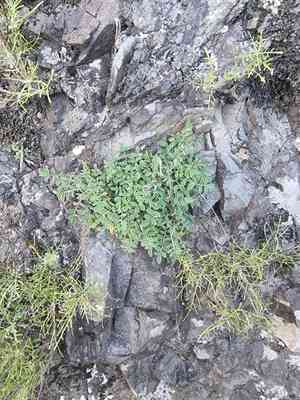
Anthyllis (Anthyllis) (Anthyllis)
Also known as: Kidney Vetch, Woundwort
**Astragalus** is a genus in the legume family Fabaceae, comprising both herbaceous and shrubby species. It is found across Europe, the Middle East, and North Africa.
In This Article
Attributes of Anthyllis (Anthyllis)
Lifespan
Perennial
Plant Height
10-60 cm (4-24 inches)
Spread
Varies; typically compact bushy clusters
Leaf Color
Green, often silvery or hairy
Flower Size
1-2 cm (0.4-0.8 inches)
Flower Color
Yellow, sometimes reddish
Images of Anthyllis (Anthyllis)
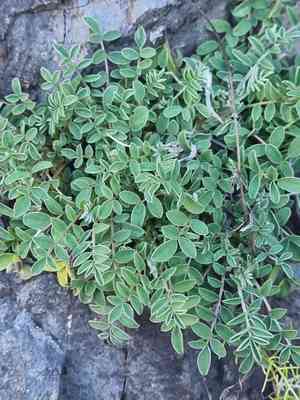
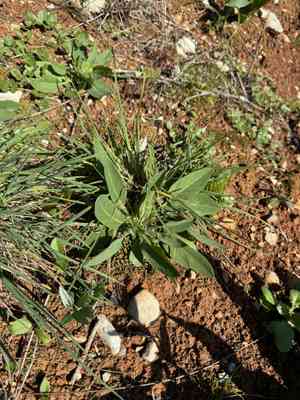
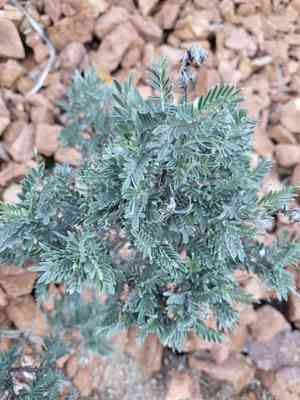
Quickly Identify Anthyllis (Anthyllis)
1
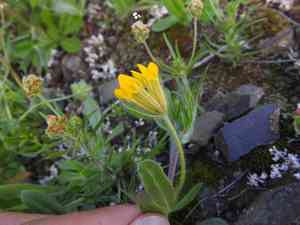
Anthyllis species can be identified by their compound leaves, which often exhibit a silvery or hairy texture. The flowers are typically clustered in dense heads and have a papilionaceous shape, commonly yellow or reddish in color.
Scientific Classification of Anthyllis (Anthyllis)
Phylum
Magnoliophyta
Class
Magnoliopsida
Order
Fabales
Family
Fabaceae
Genus
Anthyllis
Planting and Growing of Anthyllis (Anthyllis)
Care Difficulty
Moderate
Watering Schedule
Every 2 days
Sunlight Requirements
Partial sun
Sunshine Duration
6-10 hours
Ideal Temperature
68-77℉
Soil Type
Potting Mix, Peat Mix
Soil pH
6.5-7.5
Fertilizer Type
Balanced
Pruning Season
Spring, Summer
Pruning Area
Branches, Leaves
Pruning Frequency
2 times a year
Repotting Season
Spring
Pot Type
Plastic, Terracotta
 How to Water Anthyllis (Anthyllis)?
Anthyllis, often seen in dry and rocky environments, thrives on minimal water. The goal should be to keep the soil slightly moist but never waterlogged. A measurement of 300 milliliters should be enough to satisfy its occasional thirst without saturating the roots.
What are the symptoms of an underwatered Anthyllis (Anthyllis)?
›
What should I do if my Anthyllis (Anthyllis) is not getting enough water?
›
What are the symptoms of an overwatered Anthyllis (Anthyllis)?
›
How to save an overwatered Anthyllis (Anthyllis)?
›
 What Are the Sunlight Requirements for Anthyllis (Anthyllis)?
Anthyllis thrives in partial sun, providing a balance of sunlight and shade. This range encourages robust growth, strong flowering, and resistance to environmental stressors.
Optimal Light Conditions
›
Achieving Ideal Light
›
Benefits of Ideal Light
›
 What Is the Ideal Temperature Range for Anthyllis (Anthyllis)?
The ideal temperature range for growing Anthyllis plants is between 68°F and 77°F. This range provides optimal conditions for photosynthesis and cellular respiration, ensuring healthy growth and vibrant blooms.
 What Soil is Best for Anthyllis (Anthyllis)?
Anthyllis thrives best in well-drained soils that prevent waterlogging. This prevents root rot and allows the roots to access the oxygen they need, enhancing the plant's overall growth and vigor. A nutrient-rich soil, with a good balance of minerals and organic matter, supports Anthyllis by fostering healthy foliage and consistent blooming. Nutrients are crucial for maintaining its robust health and vibrant appearance. While Anthyllis prefers dry conditions, soils with moderate moisture retention can help sustain the plant during dry spells, reducing the need for frequent watering and ensuring the plant remains hydrated.
 How to Fertilize Anthyllis (Anthyllis)?
When fertilizing Anthyllis, it's important to consider the plant's size and age. Younger plants need less fertilizer, roughly about half the amount recommended on the package. A typical dose is 5 grams per plant for mature Anthyllis.
 How to Prune Anthyllis (Anthyllis)?
Begin by removing any dead, diseased, or damaged stems. Cut these back to healthy wood, ensuring that no infected material remains on the plant as this can spread disease. Trim the plant evenly to maintain a balanced, bushy structure. Focus on cutting back any overly long or unruly stems to promote a fuller shape and enhance air circulation within the plant. Trim back spent flowers and leggy stems in the summer after the flowering season. This encourages the plant to focus energy on new growth and potential re-flowering towards the end of the summer.
 How to Propagate Anthyllis (Anthyllis) plant?
1
Begin by preparing a well-draining potting mix for seed propagation or rooting cuttings. This step is crucial because Anthyllis prefers soil that doesn't retain moisture excessively. Incorporating sand or perlite can enhance drainage.
2
For seed propagation, scatter the seeds evenly on the surface of the prepared soil. Cover them lightly with a thin layer of soil. This ensures that the seeds are adequately covered yet still exposed to light, which some seeds may require to germinate.
3
Choose healthy shoots from an adult Anthyllis plant. Using pruning shears, cut approximately 10-15 cm sections just below a node. Remove leaves from the lower half of the cutting, which will help focus energy on root development.
 How to Repot Anthyllis (Anthyllis) plant?
1
Anthyllis shows signs for repotting when it becomes root-bound, which means its roots start circling the pot. Additionally, if you notice slow growth or a decline in the overall health of the plant despite proper care, these could be strong indicators that a repotting is necessary.
2
Select a pot that is one size larger than the current one to allow room for growth. The new pot should have good drainage holes to ensure excess water can escape, preventing root rot. A pot made of breathable material like terracotta is ideal as it allows air exchange, promoting healthier root systems.
3
A well-draining potting mix is essential for Anthyllis. Such soil prevents water from stagnating around the roots, thereby reducing the risk of root rot. Including materials like perlite or coarse sand in the mix can enhance drainage, ensuring optimal conditions for your plant.
Learn More About Anthyllis (Anthyllis) Diseases
Anthracnose
Bacterial Leaf Spot
Bacterial Soft Rot
Bacterial Wilt
Crown Gall
Cyst Nematode
Damping-off
Downy Mildew
Drought Stress
Fusarium Wilt
Gray Mold
Leaf Curl
Leaf Spot
Mosaic
Nutrient Deficiency
Nutrient Toxicity
Powdery Mildew
Root Rot
Root-knot Nematode
Rusts
Sooty Mold
Spider Mites
Temperature Stress
Thrips Damage
White Mold

