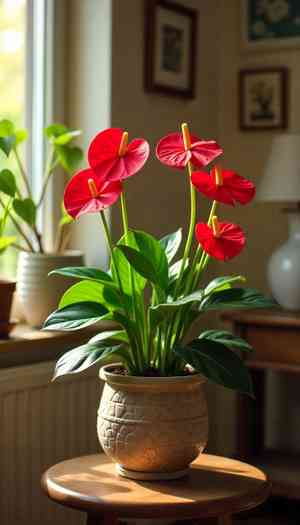
Pigtail anthurium (Anthurium scherzerianum)
Also known as: Anthurium
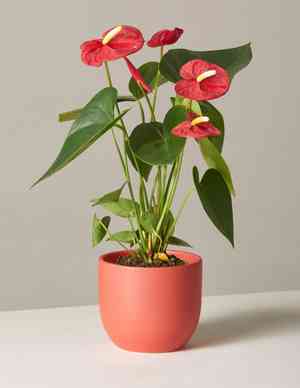
Pigtail anthurium (Anthurium scherzerianum) is a houseplant that will grow from 30 to 46 cm in height. It produces a showy red flower consisting of a reddish-orange spathe or leaf, and a pale orange spadix, which is coiled to look like a pig’s tail. This plant is toxic to dogs and cats, and its leaves can cause skin irritation. Grows best in partial shade to full shade.
Attributes of Pigtail anthurium
Images of Pigtail anthurium
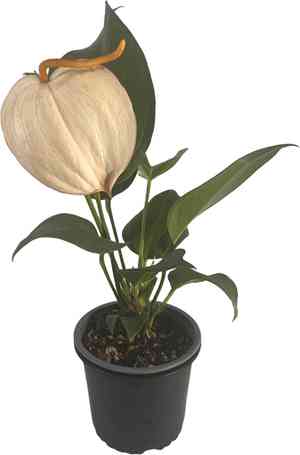
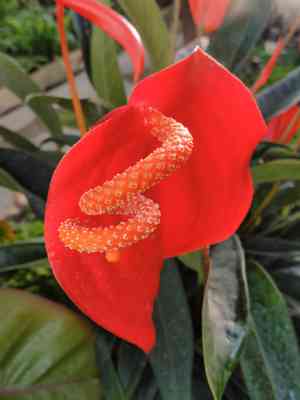
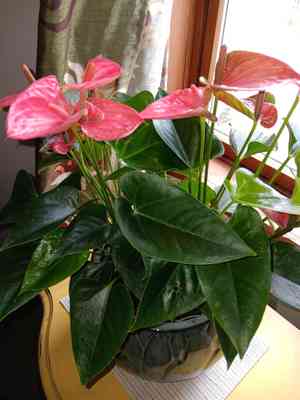
Quickly Identify Pigtail anthurium
Scientific Classification of Pigtail anthurium
Planting and Growing of Pigtail anthurium
 How to Water Pigtail anthurium?
 What Are the Sunlight Requirements for Pigtail anthurium?
 What Is the Ideal Temperature Range for Pigtail anthurium?
 What Soil is Best for Pigtail anthurium?
 How to Fertilize Pigtail anthurium?
 How to Prune Pigtail anthurium?
 How to Propagate Pigtail anthurium plant?
 How to Repot Pigtail anthurium plant?
Toxicity of Pigtail anthurium
Is Pigtail anthurium toxic to humans?
The Pigtail Anthurium exhibits a mild toxicity level to humans, mainly through ingestion. This entire plant contains calcium oxalate, the main compound responsible for its toxic attributes. Consuming any part of the Pigtail Anthurium can lead to a variety of symptoms. Affected individuals may suffer from severe burning and irritation in the mouth, lips, and tongue. This may also result in challenges with swallowing, excessive drooling, and vomiting. In some instances, consuming the Pigtail Anthurium could result in diarrhea and a choking sensation due to throat swelling. It is crucial for individuals, particularly those with children or pets, to understand the associated risks and to avoid any accidental ingestion of the Pigtail Anthurium.
Is Pigtail anthurium toxic to cat?
The Pigtail anthurium (Anthurium scherzerianum), a widely cultivated houseplant, poses significant toxicity risks to felines. Consuming any component of this plant can result in discomfort affecting the mouth, nose, and throat regions. Additionally, contact with the plant—particularly if it is injured or sliced—might lead to detrimental skin responses, such as burning sensations or blisters. Should your cat show signs of distress, it is advisable to seek veterinary assistance for appropriate care.
Is Pigtail anthurium toxic to dog?
Pigtail anthuriums possess a toxicity level that ranges from mild to severe for dogs. Every part of this plant contains calcium oxalate, which can lead to significant irritation if ingested or if it comes into contact with the skin. Symptoms often include redness, pain, or swelling in the mouth and throat, along with gastrointestinal issues. The discomfort experienced may lead to a decreased appetite or trouble with swallowing. In more extreme cases, serious reactions may occur, potentially resulting in coma or even death. Nevertheless, due to the plant's unpleasant bitterness and rapid irritative effects, it is uncommon for dogs to consume sufficient amounts to trigger these severe symptoms.



